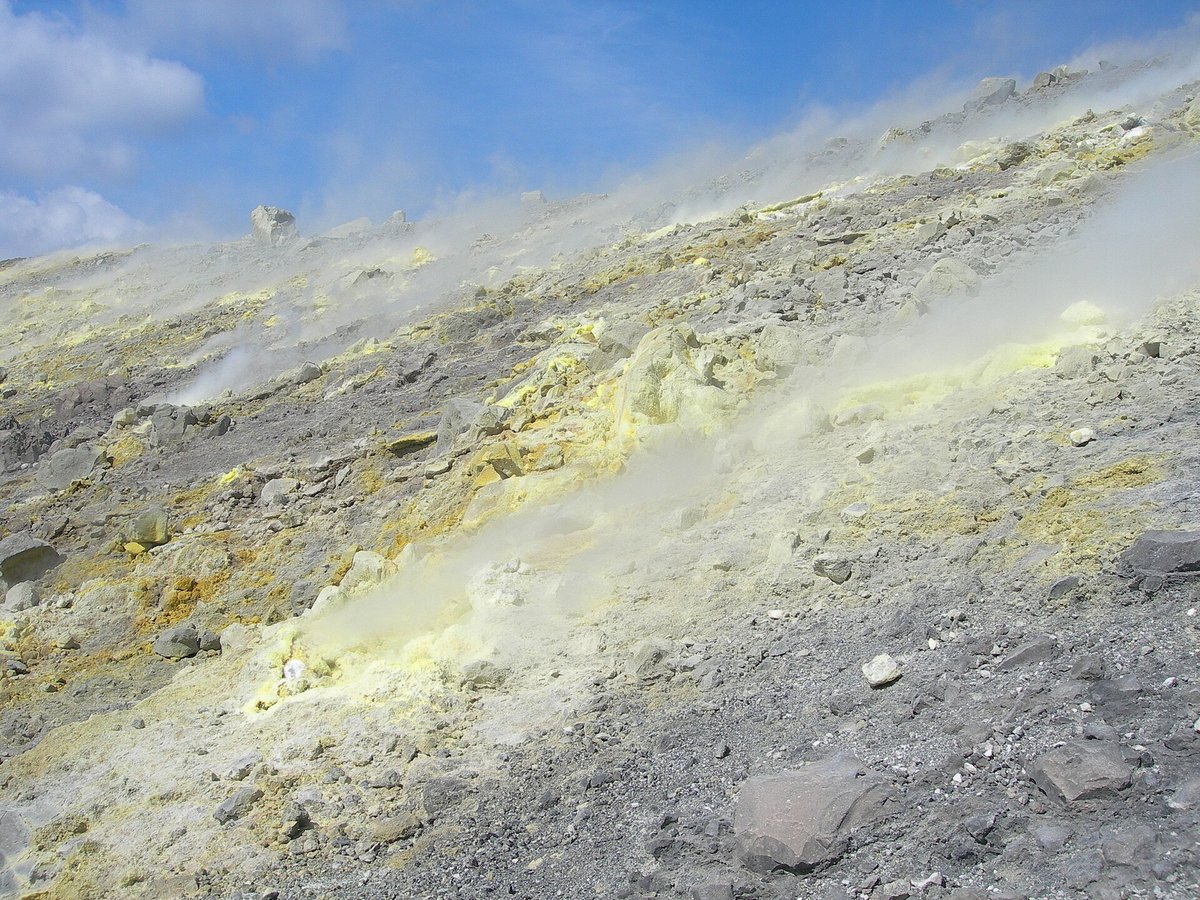
Sulphur Fumaroles — Solfatara Pozzuoli
The Solfatara volcanic crater at Pozzuoli near Naples is one of Europe's most accessible and dramatic active volcanic phenomena — a shallow caldera 770 metres in diameter that seethes with sulphur fumaroles, bubbling mud pools, and jets of superheated steam that transform the crater floor into a hellish landscape of yellow sulphur deposits, white mineral encrustations, and perpetual hissing vapour clouds that create one of the continent's most otherworldly geological experiences. The Solfatara is part of the Campi Flegrei supervolcano system — one of the most dangerous volcanic systems in the world — and standing on the crater floor surrounded by fumarole jets reaching 160°C and the pervasive sulphur smell while the ground resonates beneath your feet with hydrothermal activity is a genuinely vertiginous encounter with geological processes usually hidden from view. The crater has been active continuously since at least Roman times — the ancient Romans called it the Forum Vulcani — and the yellow sulphur crystals that line the fumarole vents are among the purest and most visually striking mineral deposits accessible anywhere in Europe. The nearby Pisciarelli fumarole field has intensified dramatically since 2012 as the Campi Flegrei system shows renewed unrest, adding a contemporary geological tension to an already dramatic site. Guided geological tours explain the Campi Flegrei system's history and potential future in the context of the densely populated Naples region above it.
About this spectacle
Standing on the floor of the Solfatara crater is like stepping onto another planet. Jets of superheated steam and sulphurous gas hiss continuously from fumarole vents rimmed with vivid yellow sulphur crystals, while nearby mud pools bubble and spit with hypnotic regularity. The air is sharp with sulphur dioxide, and the ground itself resonates underfoot — a visceral reminder that hydrothermal energy churns just below the surface. White mineral encrustations streak the grey-brown crater floor, contrasting with the ochre and lemon tones of sulphur deposits around the vents. Fumarole temperatures reach 160°C according to the site description, and the steam plumes catch morning light in dramatic billowing columns. The 770-metre-wide shallow caldera amplifies every sound — the hissing vents, the distant rumble of the earth, the crunch of mineral crust underfoot. Since 2012 the nearby Pisciarelli field has intensified, adding a charged contemporary urgency to a site active since Roman antiquity. The experience is simultaneously beautiful and unsettling.
When to go
Year-round
Getting there
Nearest airport: NAP. Nearest city: Naples.
Booking options
Goyova doesn't process bookings directly. When you tap "Plan this trip" in the app, you'll see options from our partner providers — accommodation, tours, transport — with affiliate links where applicable. See our affiliate disclosure for details.
More like this.
 Returns Jan 2027
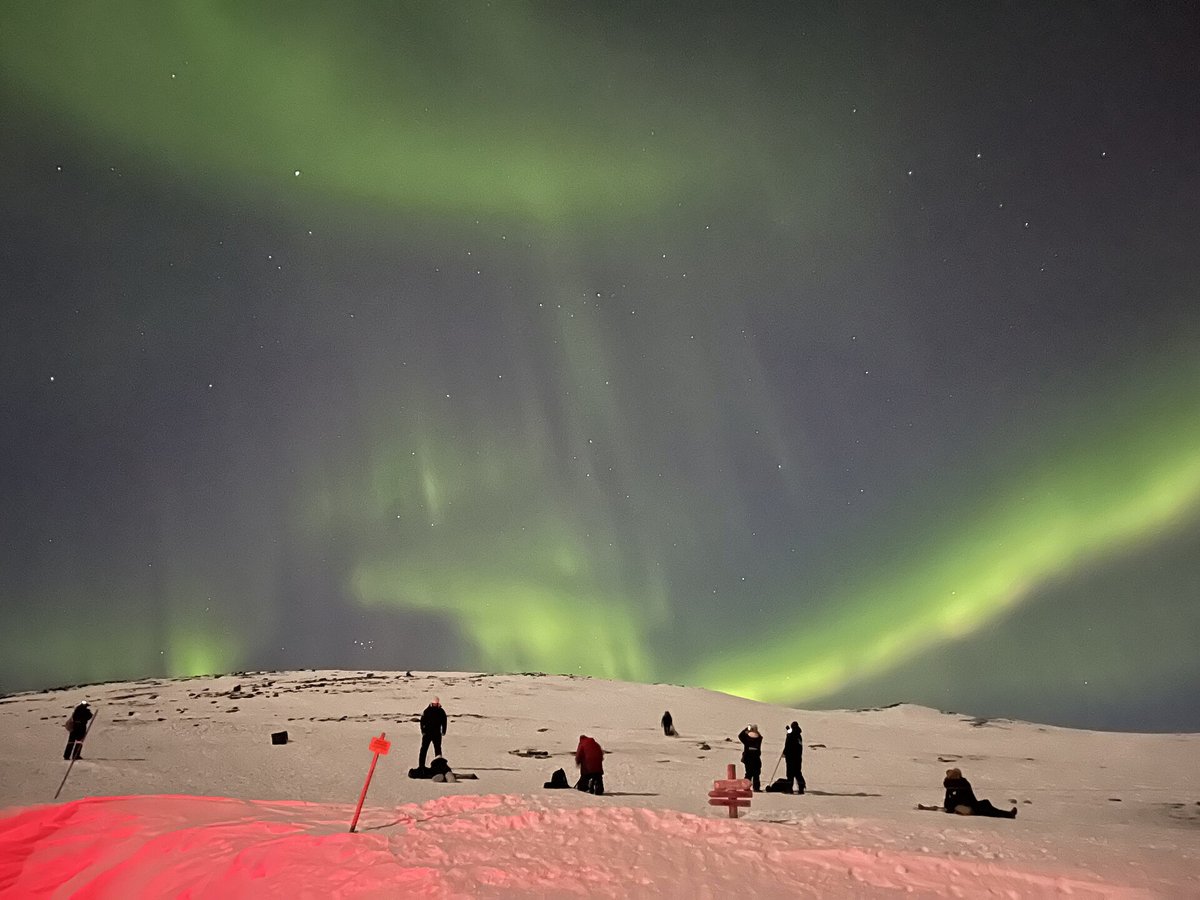
 Abisko Aurora Sky Station
Sweden
 Off-season
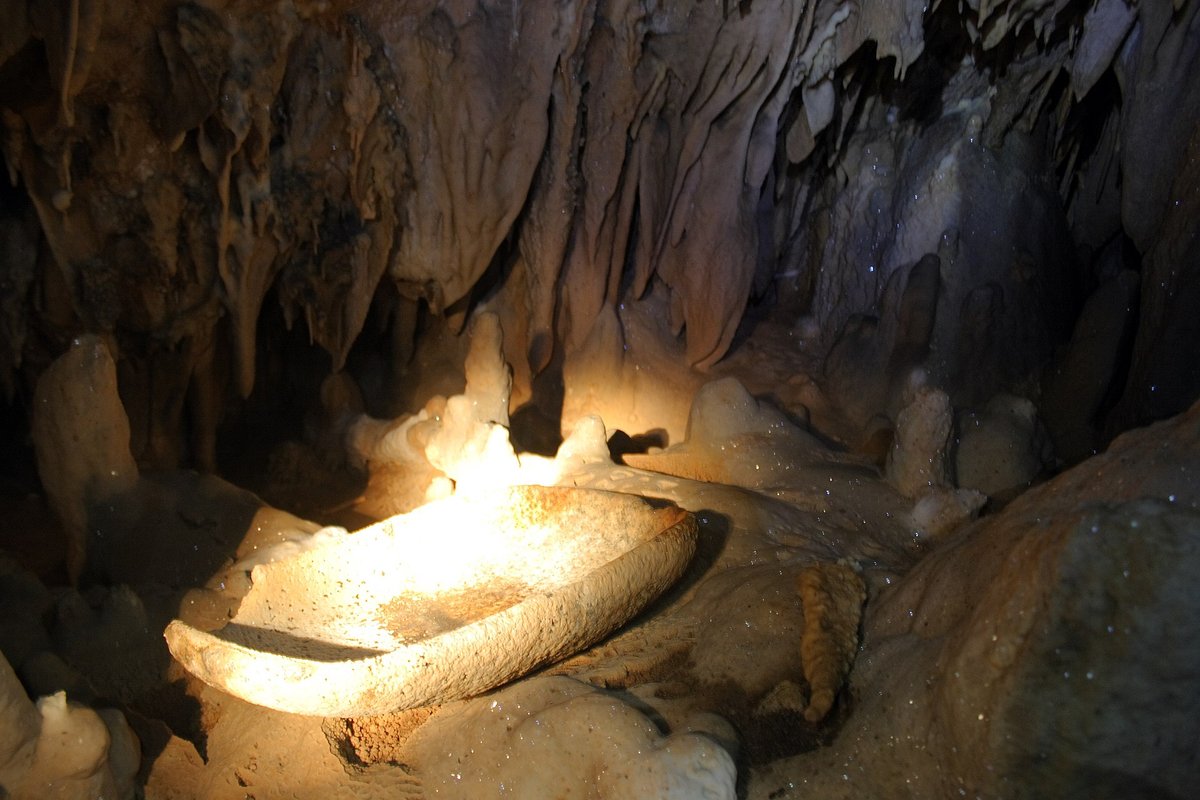
 Actun Tunichil Muknal — Cayo Belize
San Ignacio, Cayo District, BZ
 Peak season
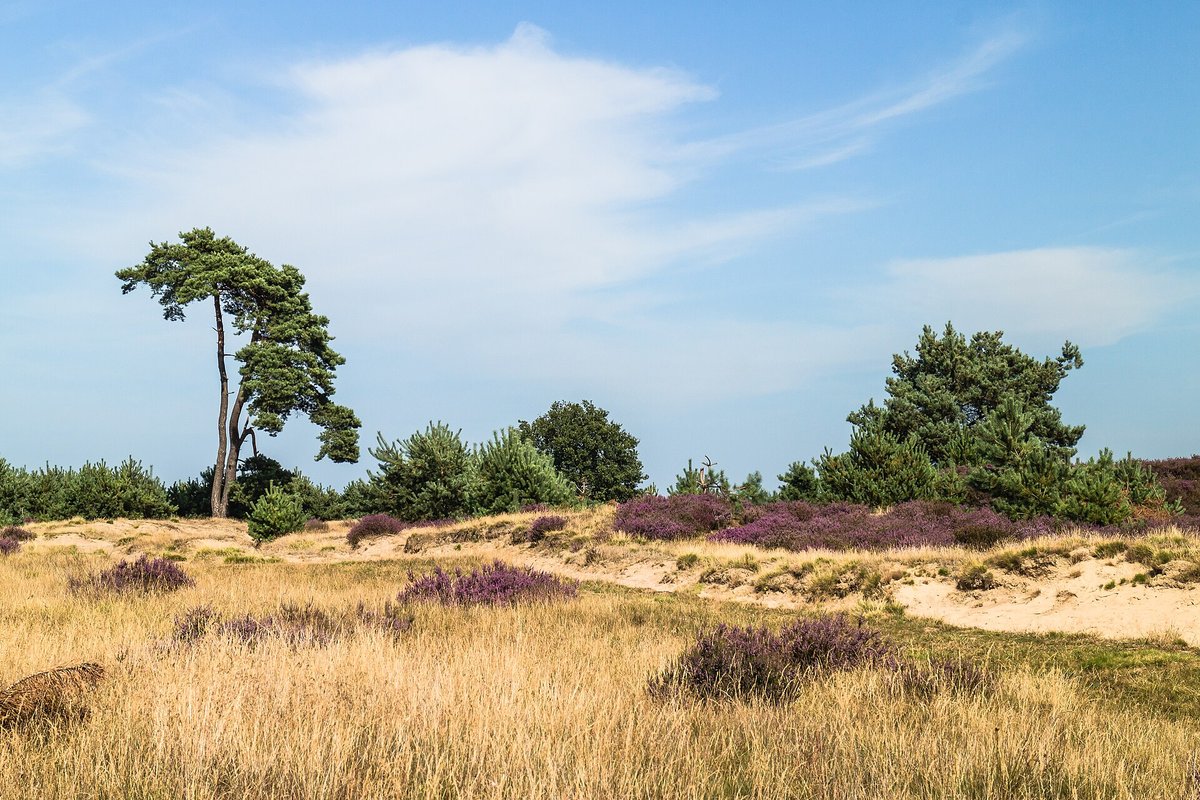
 Aekingerzand
NL