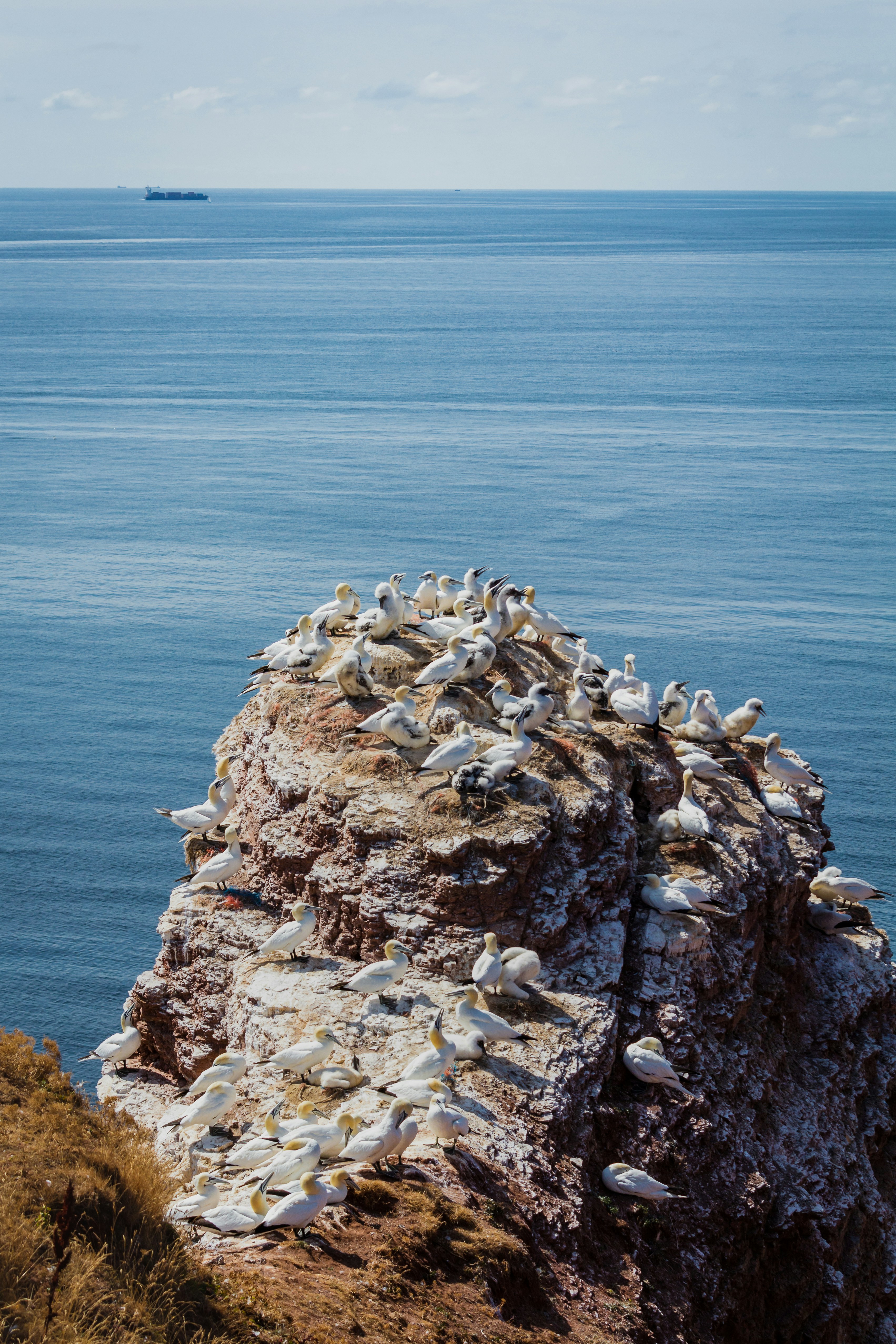
Rügen Chalk Cliffs & Seabird Colony — Jasmund National Park
The soaring white chalk cliffs of Rügen — the iconic Königsstuhl rising 118 metres above a dark beech forest — host nesting peregrine falcons, ravens and jackdaws in the cliff faces, while the Baltic below teems with wintering sea ducks and divers. In spring the beech forest inland erupts in bluebells and anemones, and the view from the Königsstuhl over the white ramparts to the glittering sea — which inspired Caspar David Friedrich's most famous painting — is among the most dramatic natural vistas in Germany.
About this spectacle
Standing at the Königsstuhl, visitors look out across a dazzling arc of white chalk rising 118 metres above the Baltic Sea, fringed at the top by ancient beech trees whose roots grip the crumbling edge. The cliff faces echo with the sharp calls of peregrine falcons, ravens and jackdaws threading the updrafts, while far below on the dark water, rafts of sea ducks and divers bob through the winter swells. In spring the beech forest behind the cliffs transforms: a carpet of white wood anemones and bluebells unfolds beneath a fresh green canopy, filling the air with a soft, cool woodland scent. Light from the east catches the chalk ramparts and turns them luminous, a scene that stopped Caspar David Friedrich and still stops photographers today. The combination of geological drama, nesting raptors, woodland wildflowers and open sea in a single viewpoint makes this one of the most layered natural spectacles in northern Europe.
When to go
Jan — Dec, peak Jan — Dec
Getting there
Nearest airport: RLG. Nearest city: Stralsund.
Booking options
Goyova doesn't process bookings directly. When you tap "Plan this trip" in the app, you'll see options from our partner providers — accommodation, tours, transport — with affiliate links where applicable. See our affiliate disclosure for details.
More like this.
 Returns Jan 2027
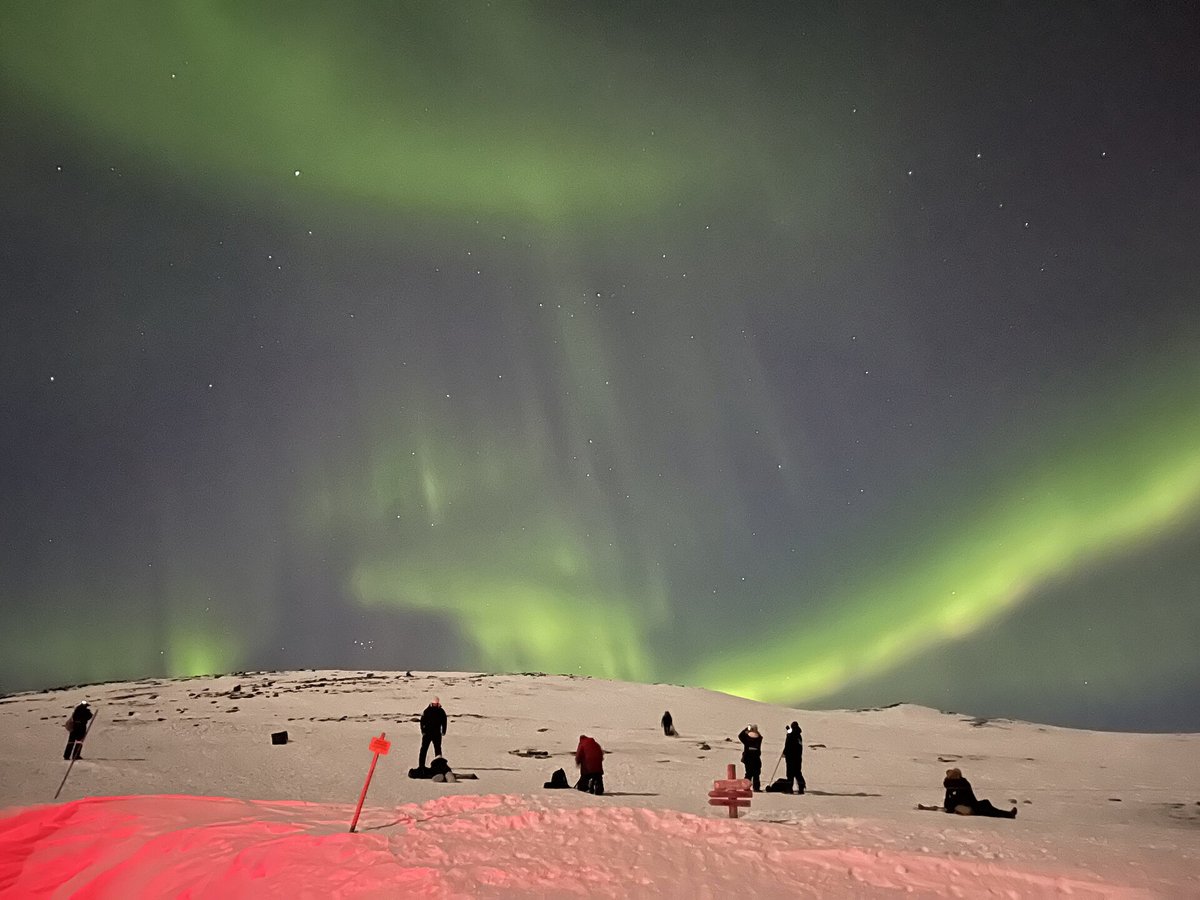
 Abisko Aurora Sky Station
Sweden
 Off-season
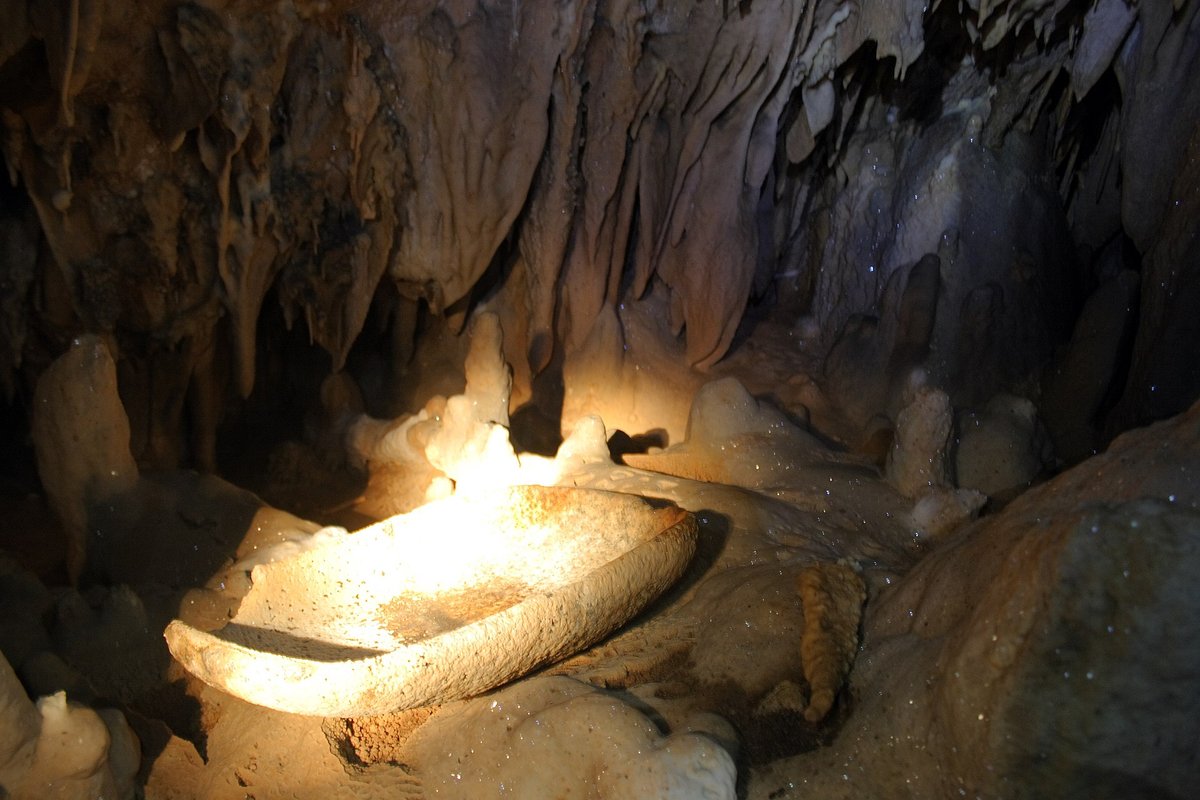
 Actun Tunichil Muknal — Cayo Belize
San Ignacio, Cayo District, BZ
 Peak season
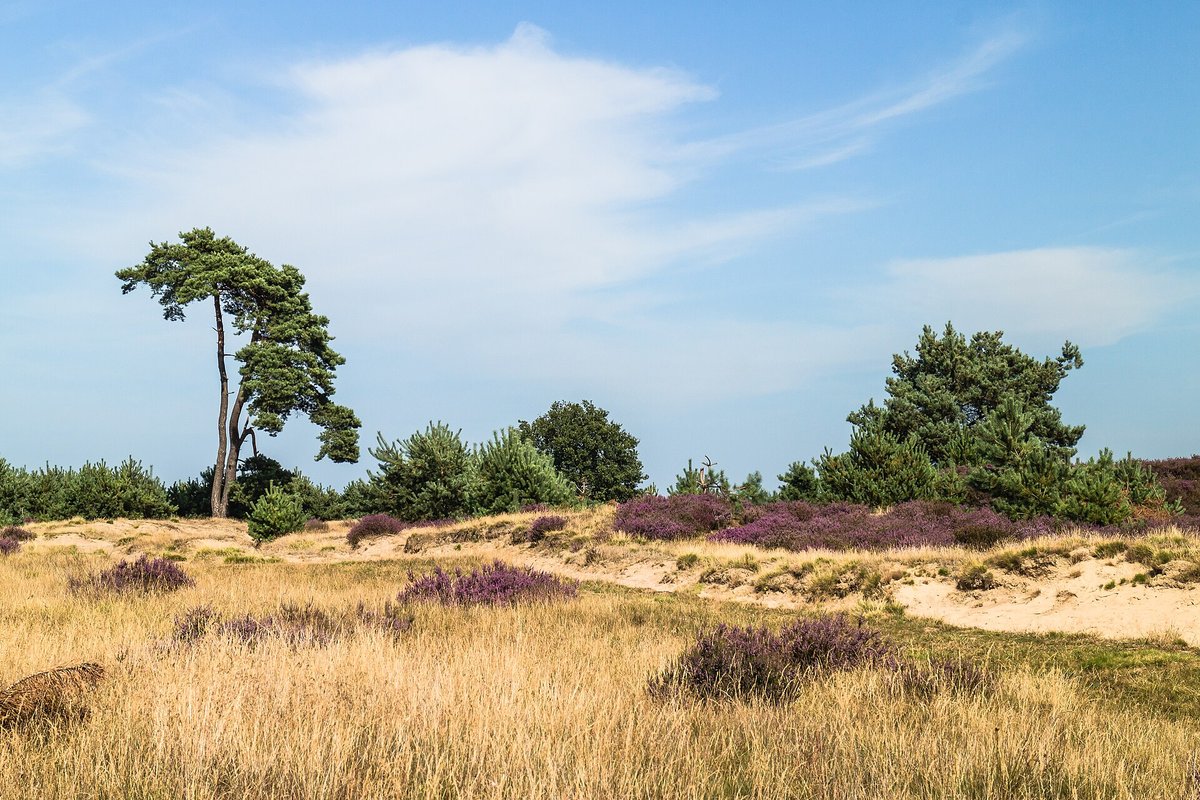
 Aekingerzand
NL