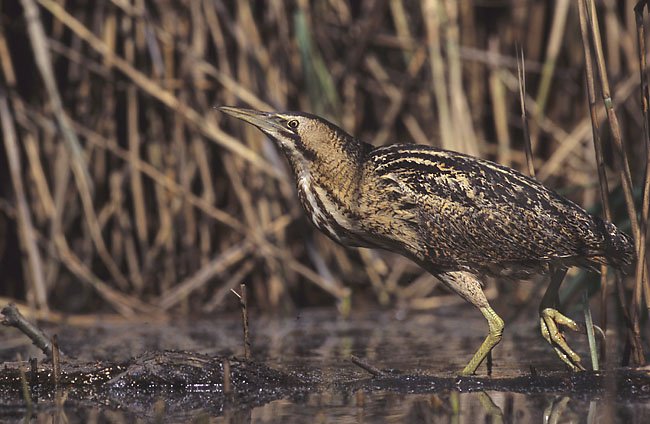
Eurasian Bittern Booming — Wicken Fen England
The Eurasian bittern (Botaurus stellaris) — a large, secretive heron of dense reed beds whose 'booming' call (the lowest-pitched sound produced by any European bird, audible 5 kilometres away on still mornings) is both the definitive sound of the British wetland and the indicator of successful reed bed management — reaches its finest audible display at Wicken Fen, Leighton Moss, and Minsmere from February through May when males establish territories. At Wicken Fen — the UK's oldest nature reserve — standing on the fen boardwalk at 6am in April when three male bitterns are booming simultaneously from different reed bed sectors and the dawn mist is lifting from the sedge creates one of Britain's most atmospheric and most completely specific seasonal wildlife sounds. The bittern's cryptic reed-coloured plumage and its 'freeze' posture (neck extended, beak pointed skyward, streaked breast matching the dead reed stems exactly) makes sighting as rewarding as hearing.
About this spectacle
At Wicken Fen — Britain's oldest nature reserve — the pre-dawn reed beds come alive each spring with one of the most haunting sounds in European wildlife: the deep, resonant boom of the male Eurasian bittern. Audible up to five kilometres away on still mornings, the call is impossibly low, almost felt as much as heard, resonating across the water and sedge in the lifting dawn mist. Standing on the fen boardwalk at first light in April, you may hear two or three males booming simultaneously from different sectors of the reed bed, each call separated by long, foggy silences. If luck holds, a bittern may emerge briefly at the reed edge, stretching its neck skyward in the legendary freeze posture — streaked gold-and-brown breast indistinguishable from the surrounding dead stems. This is a spectacle of sound, stillness, and patience: cold air, the smell of wet sedge, invisible birds announcing themselves across the flat Cambridgeshire landscape.
When to go
Jan — Dec, peak Feb — May
Getting there
Nearest airport: STN. Nearest city: Cambridge.
Booking options
Goyova doesn't process bookings directly. When you tap "Plan this trip" in the app, you'll see options from our partner providers — accommodation, tours, transport — with affiliate links where applicable. See our affiliate disclosure for details.
More like this.
 Returns Jan 2027
 Abisko Aurora Sky Station
Sweden
 Off-season
 Actun Tunichil Muknal — Cayo Belize
San Ignacio, Cayo District, BZ
 Peak season
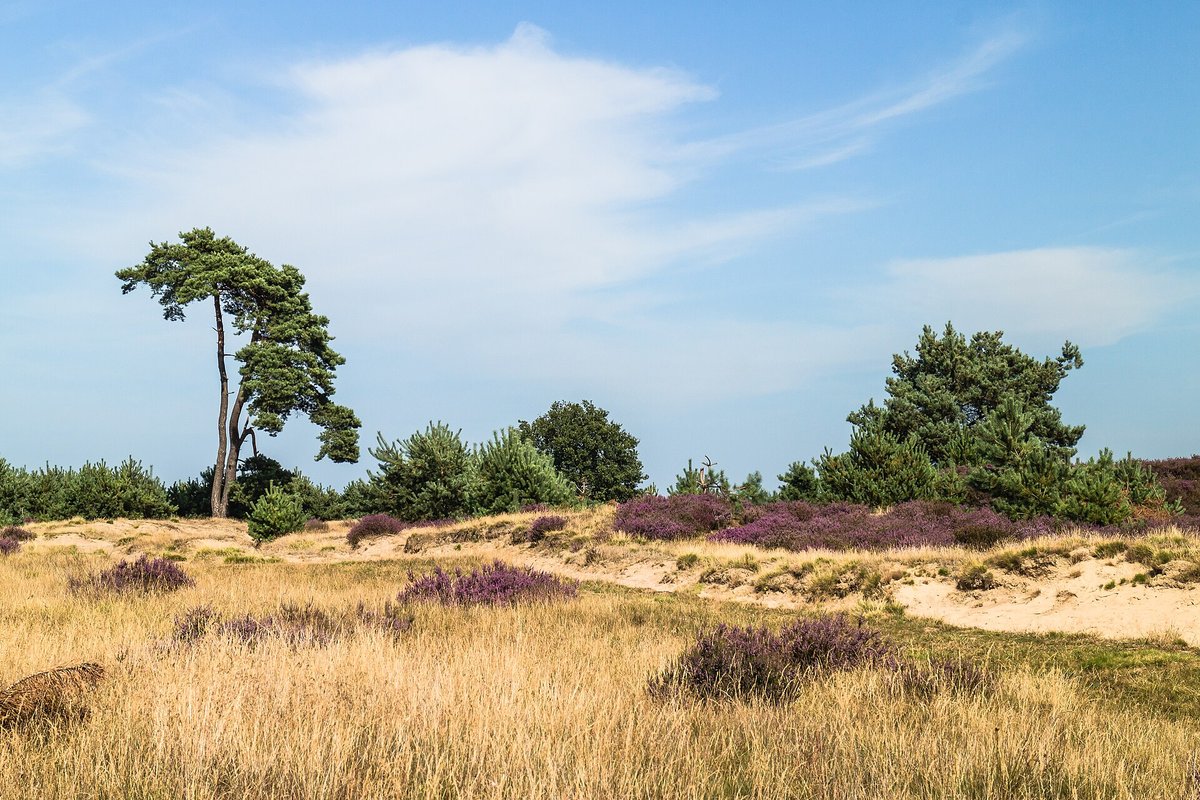
 Aekingerzand
NL