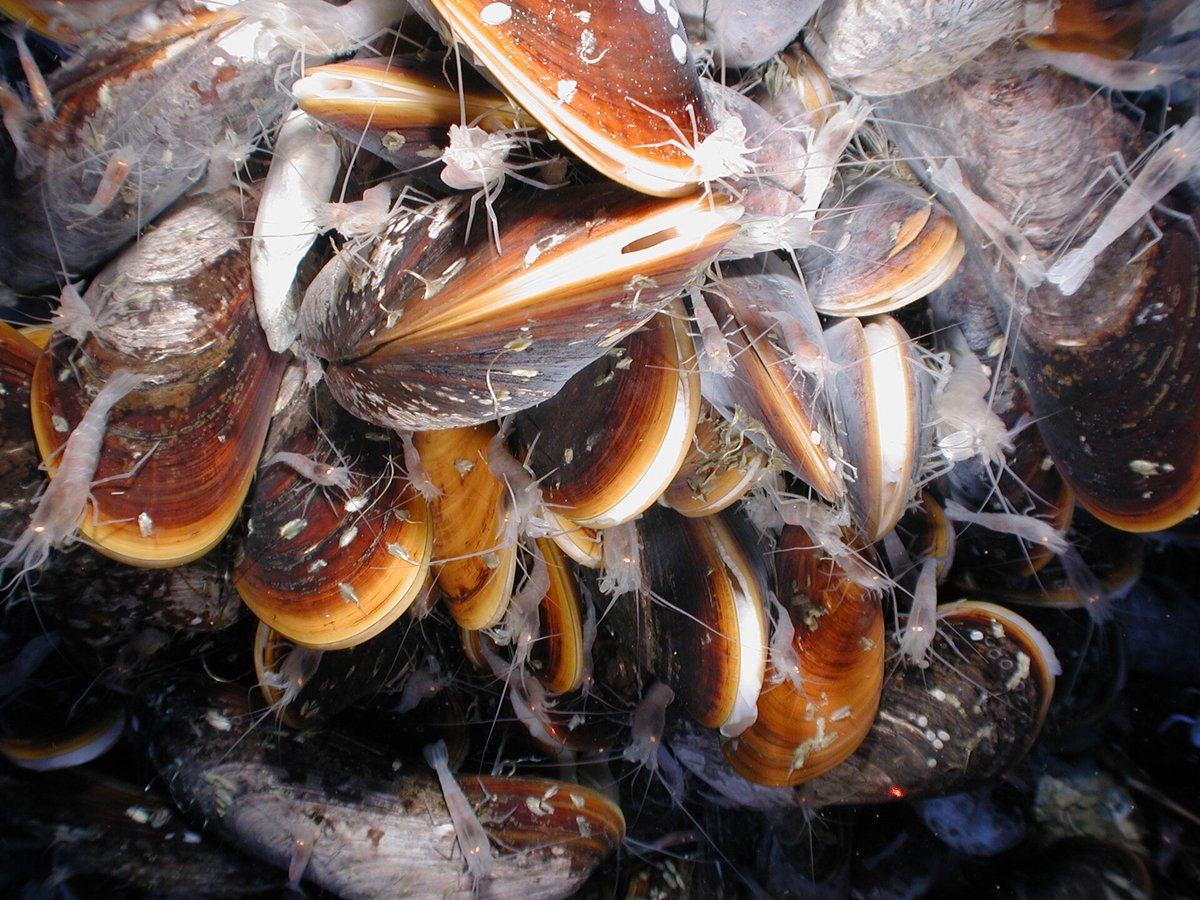
Cold Seep Community — Cascadia Margin Pacific NW USA
The Cascadia Margin cold seeps off Oregon and Washington — where methane-rich fluids from the subducting Juan de Fuca Plate seep through the seafloor sediment at 500–2,500 metres depth, supporting chemosynthetic communities of tube worms, clam beds, and methane ice (gas hydrate) formations — are accessible to MBARI and NEPTUNE Canada's cabled observatory systems, whose live feeds are occasionally available to the public during research operations. The cold seep's tube worm bushes (Lamellibrachia luymesi, individuals living 200+ years), the white bacterial mats, and the hydrate mounds create a deep-sea landscape as biologically extraordinary as a hydrothermal vent but in cold, slow-energy conditions that favour extreme longevity. The Cascadia's megathrust earthquake risk (the last full-margin rupture in 1700) gives the cold seep observation an additional geological urgency: these organisms are living proxies for the seismic history of the Pacific Northwest.
About this spectacle
The Cascadia Margin cold seeps lie 500–2,500 metres beneath the Pacific Ocean off Oregon and Washington, where methane-rich fluids pushed upward by the subducting Juan de Fuca Plate sustain entire communities without sunlight. Visitors — virtually, via MBARI and NEPTUNE Canada observatory live feeds during active research operations — witness ghostly white bacterial mats carpeting the sediment, vast beds of chemosynthetic clams, and tube worm bushes whose individual animals may live over 200 years. Pale hydrate mounds of frozen methane ice punctuate the landscape like alien geology. The cold, slow-energy conditions here favour extraordinary longevity rather than the explosive growth seen at hydrothermal vents. Occasional public access to ROV or cabled camera feeds delivers footage of a deep-sea ecosystem found nowhere on land — one whose host seafloor also records the seismic memory of the Cascadia megathrust, last fully ruptured in 1700, making each organism simultaneously a biological and geological archive.
When to go
Year-round
Getting there
Nearest airport: EUG. Nearest city: Newport.
Booking options
Goyova doesn't process bookings directly. When you tap "Plan this trip" in the app, you'll see options from our partner providers — accommodation, tours, transport — with affiliate links where applicable. See our affiliate disclosure for details.
More like this.
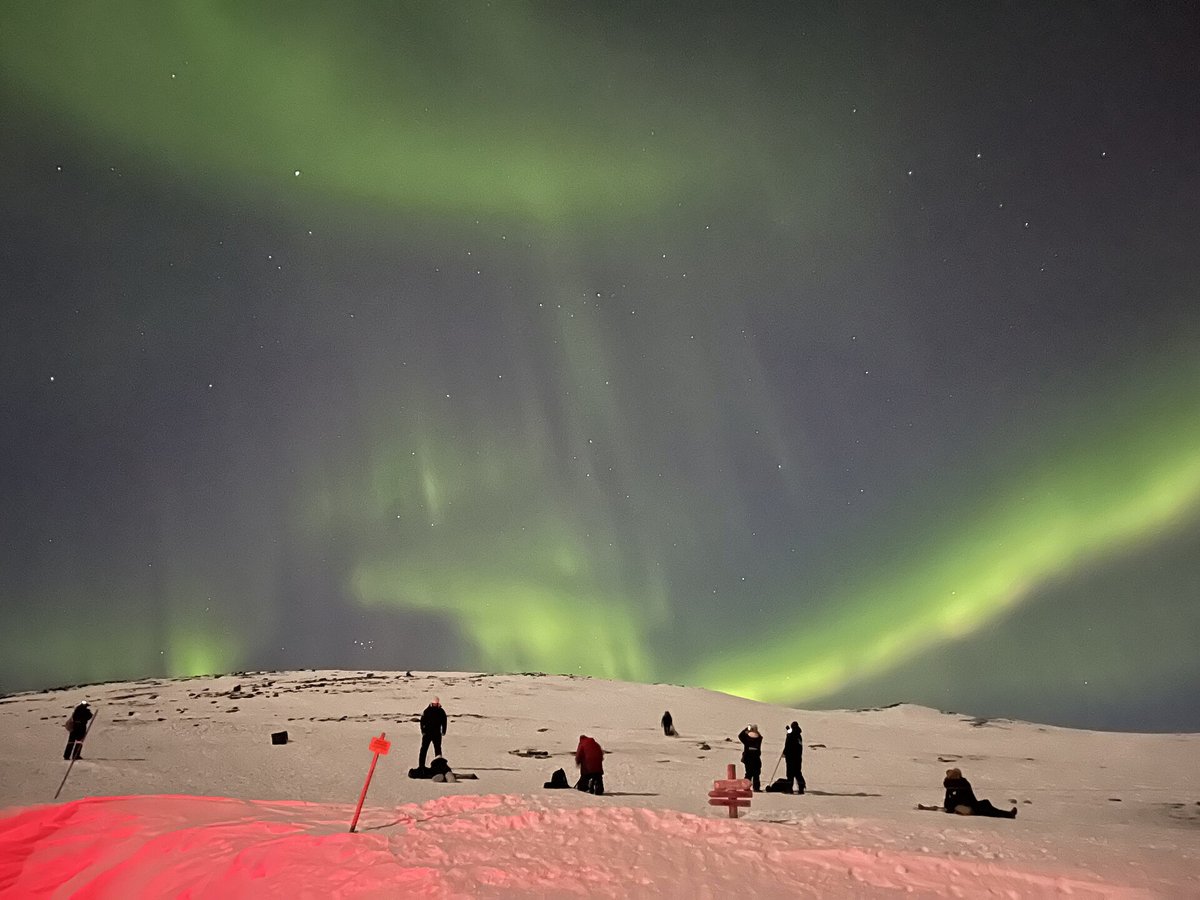 Returns Jan 2027
 Abisko Aurora Sky Station
Sweden
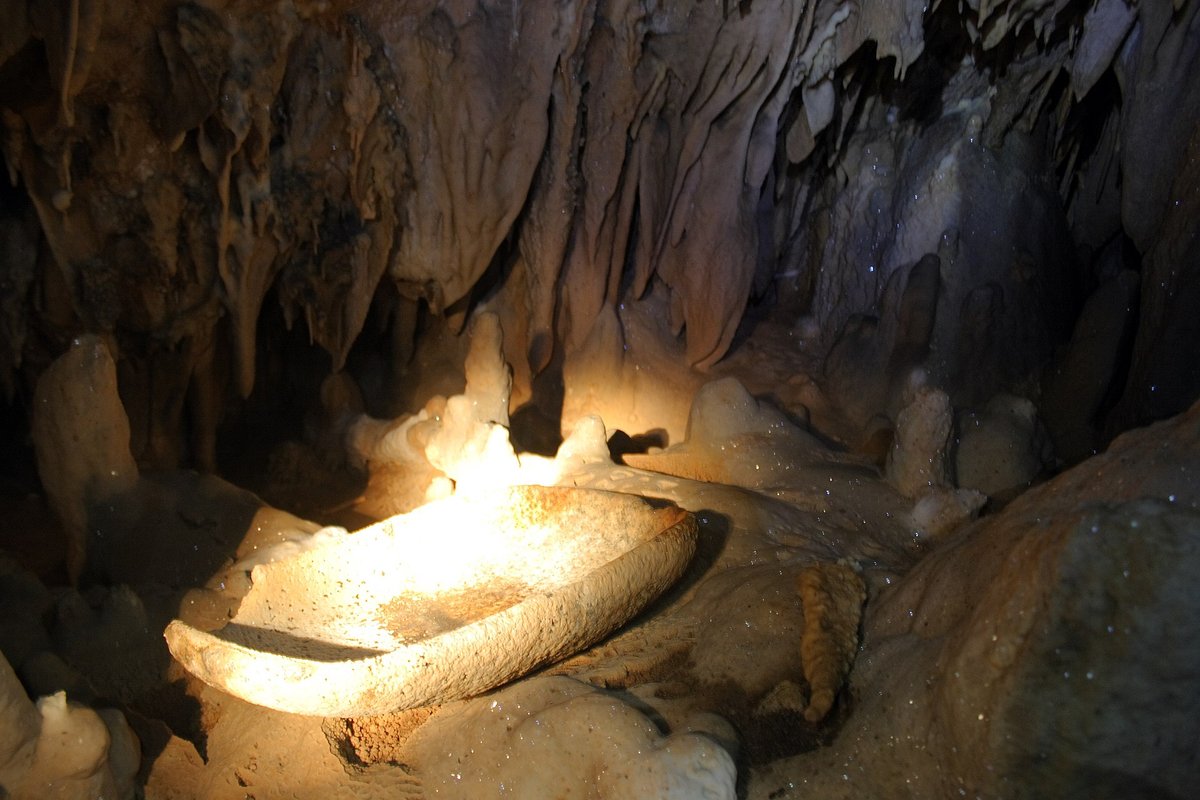 Off-season
 Actun Tunichil Muknal — Cayo Belize
San Ignacio, Cayo District, BZ
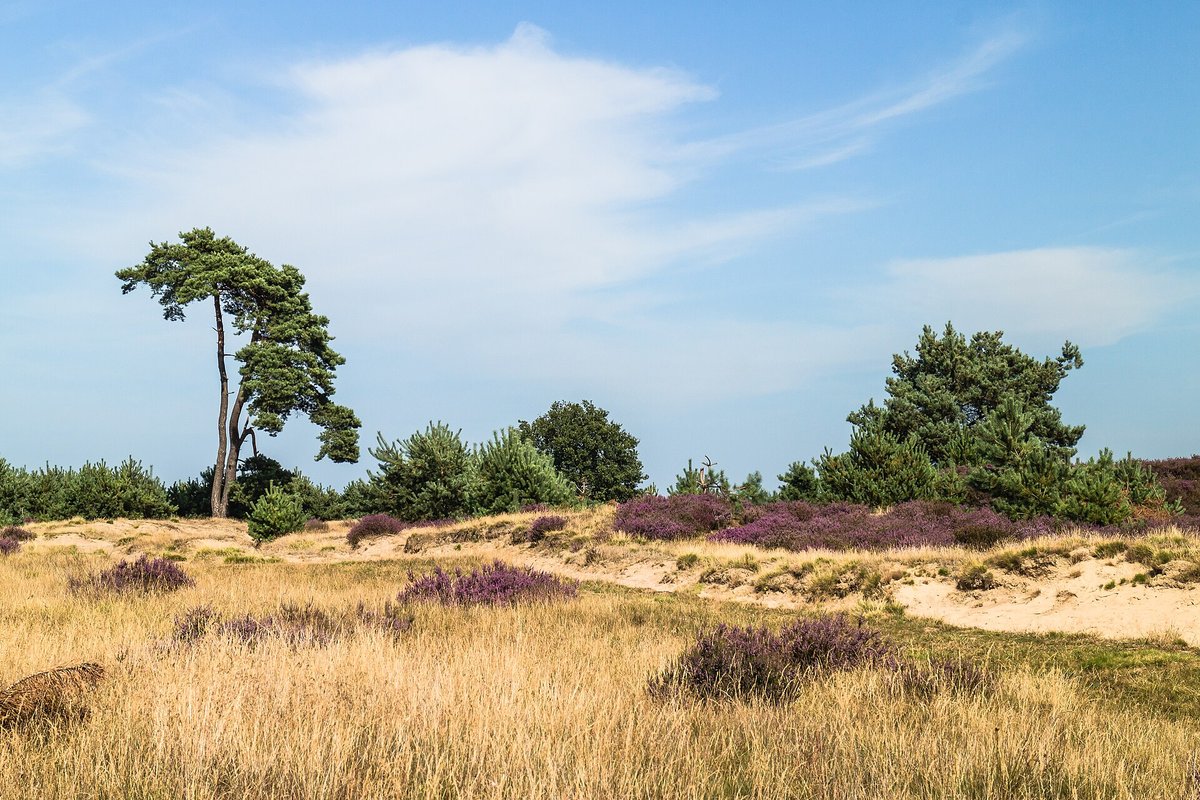 Peak season
 Aekingerzand
NL