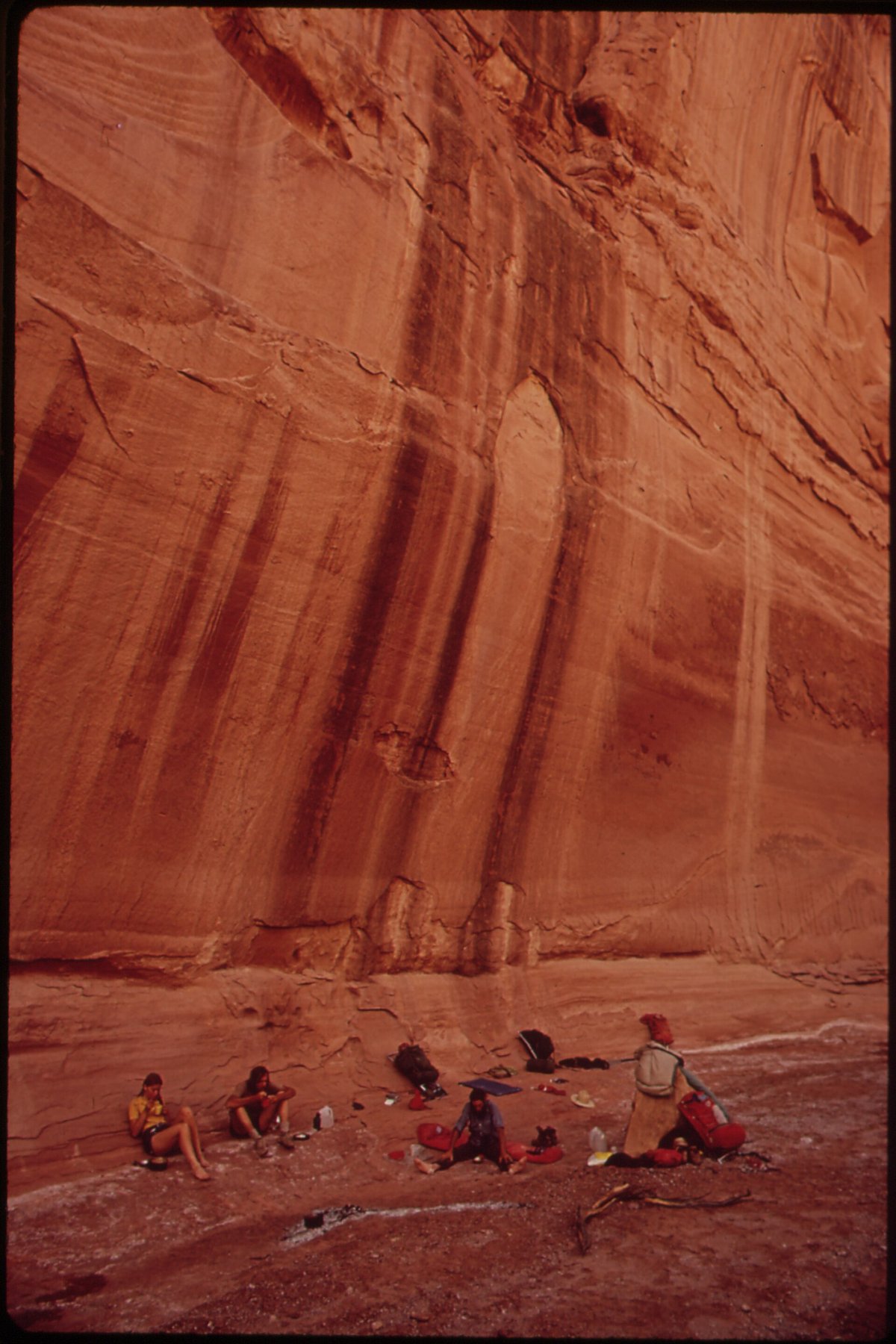
Canyonlands Desert Varnish Walls — Utah USA
The canyon walls of Canyonlands' Maze and Needles districts carry desert varnish — a dark reddish-brown manganese and iron oxide coating built by microbes over thousands of years onto exposed sandstone surfaces — that prehistoric peoples used as a canvas for petroglyphs. The Maze's Harvest Scene panel shows 800-year-old Barrier Canyon-style anthropomorphic figures in ochre and red, with abstract forms and animals, in a panel that is one of North America's finest rock art sites. The context is critical: you reach it only after a brutal 4WD journey across slickrock to the canyon rim, a rappel into the canyon, and a hike along canyon walls. The varnish itself catches afternoon light in metallic sheens of purple, red, and black, and the juxtaposition of ancient human mark-making against geological time — the canyon is 300 million years old, the varnish is 3,000 years old, the paintings are 800 — creates one of the American Southwest's most layered experiences.
About this spectacle
Standing before the Harvest Scene panel in Canyonlands' Maze District, visitors encounter one of North America's most remote and affecting rock art sites. The canyon walls carry desert varnish — a dark, metallic coating of manganese and iron oxides built by microbes over millennia — that shimmers in afternoon light with purples, reds, and blacks. Against this geological canvas, 800-year-old Barrier Canyon-style anthropomorphic figures in ochre and red emerge as if suspended in time. The sheer contrast of scales is arresting: a 300-million-year-old canyon, varnish accumulated over thousands of years, and human mark-making from eight centuries ago. Getting here demands serious commitment — a rough 4WD drive across open slickrock to the canyon rim, a rappel into the canyon itself, and a hike along the canyon floor. That physical investment strips away casual visitors and leaves those who arrive standing in genuine solitude before the figures. The silence is broken only by wind through canyon walls. The afternoon light turns the varnish metallic, making the pigments glow against the dark rock.
When to go
Sep — May
Getting there
Nearest airport: CNY. Nearest city: Moab.
Booking options
Goyova doesn't process bookings directly. When you tap "Plan this trip" in the app, you'll see options from our partner providers — accommodation, tours, transport — with affiliate links where applicable. See our affiliate disclosure for details.
More like this.
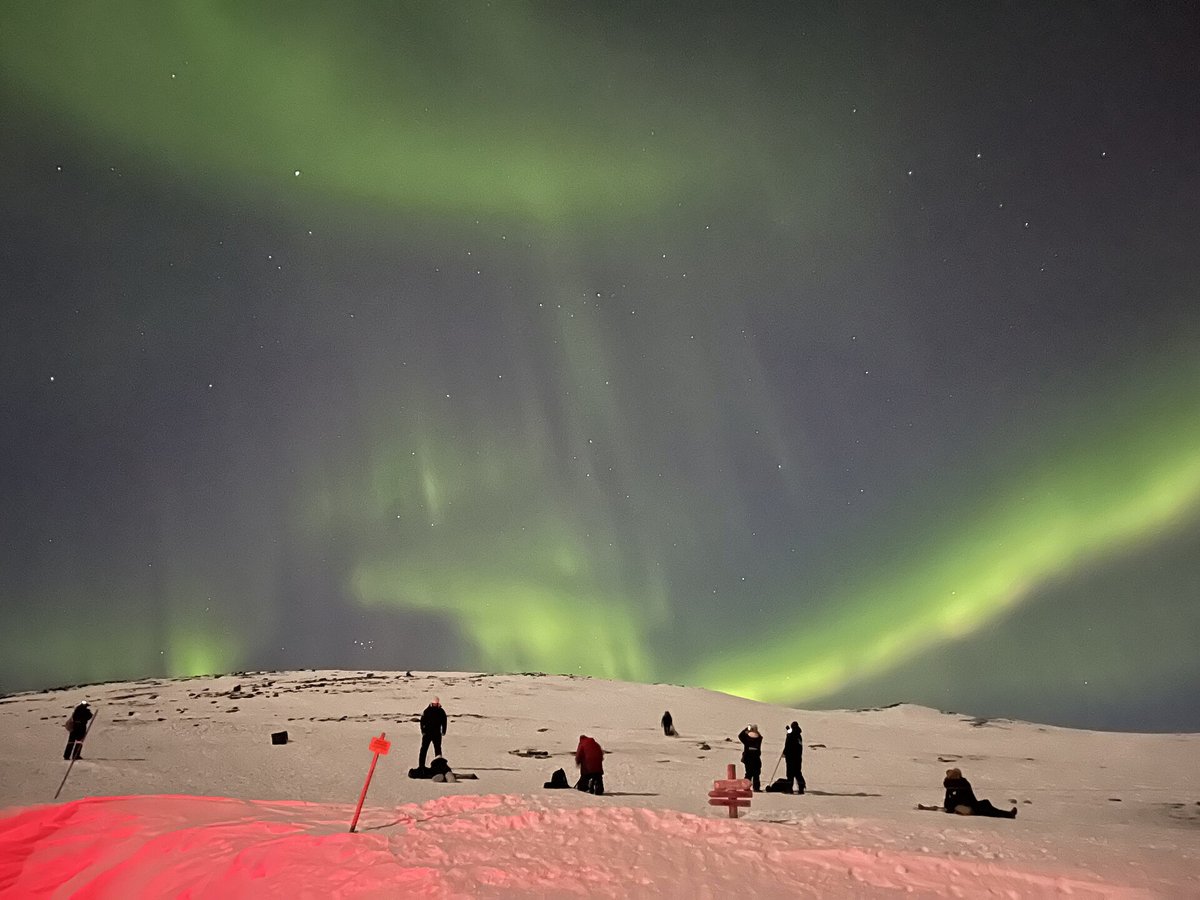 Returns Jan 2027
 Abisko Aurora Sky Station
Sweden
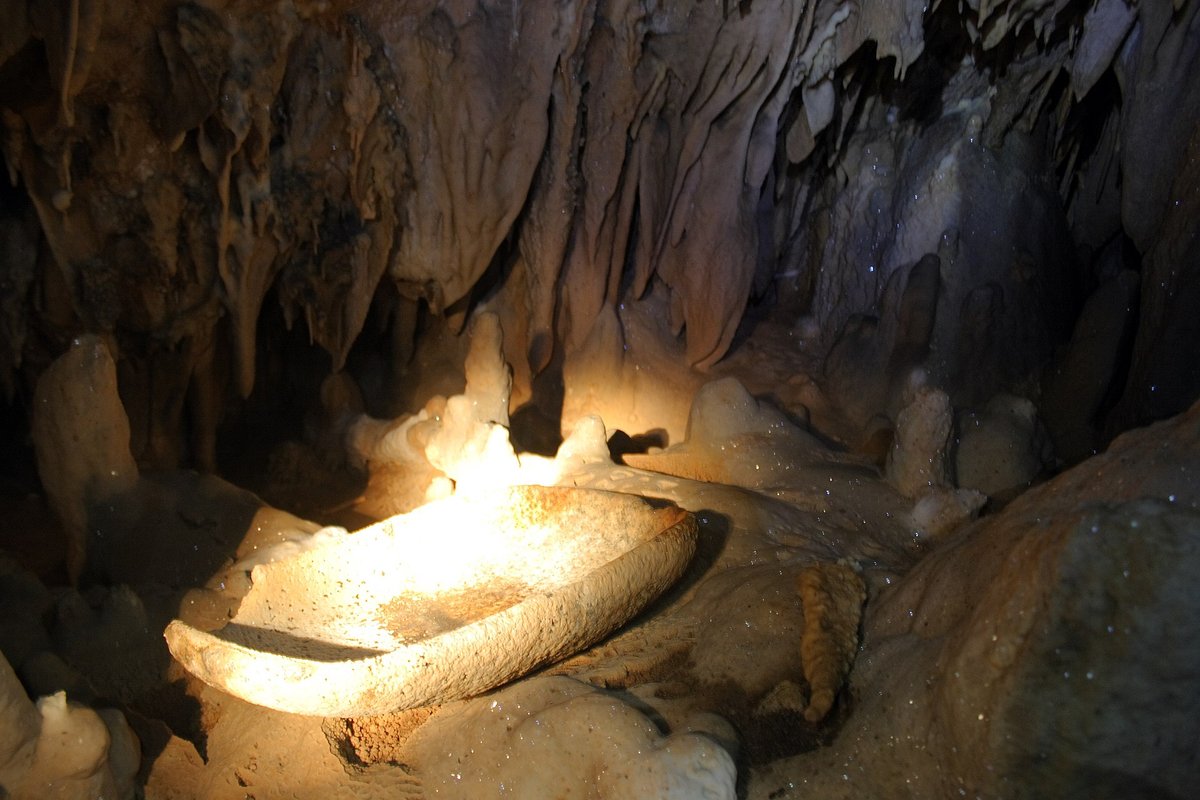 Off-season
 Actun Tunichil Muknal — Cayo Belize
San Ignacio, Cayo District, BZ
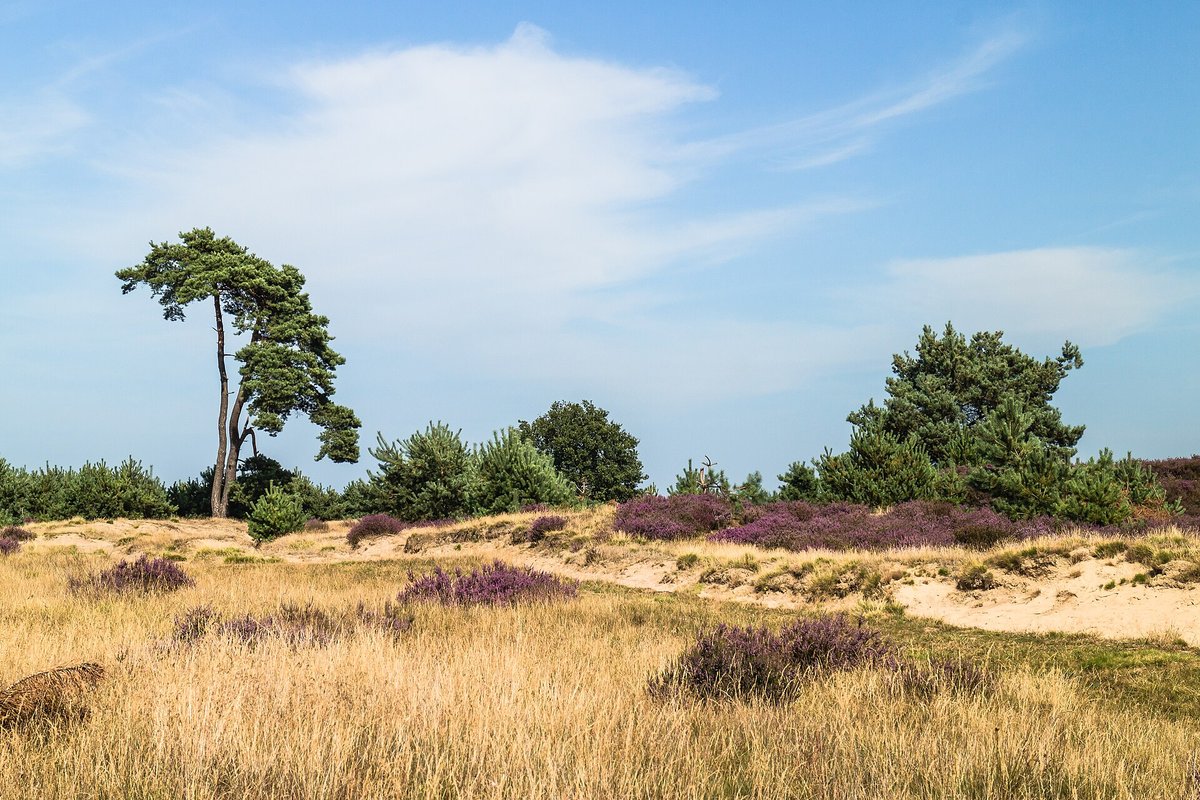 Peak season
 Aekingerzand
NL