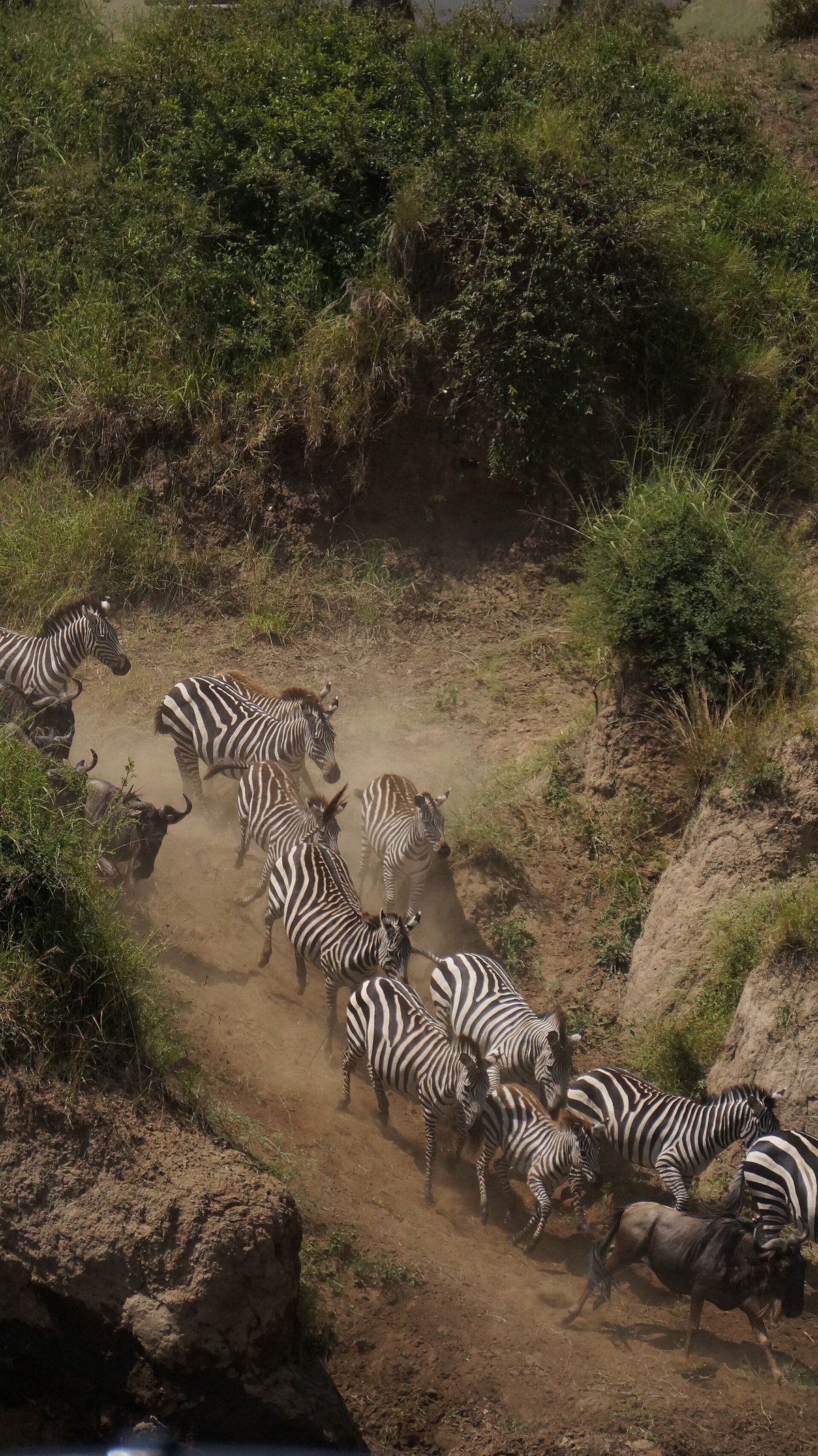
Zebra Migration Boteti River — Makgadikgadi Botswana
The Makgadikgadi-Nxai Pan zebra migration is Africa's second-largest mammal migration — 25,000 plains zebra moving 250 kilometres from the Boteti River to the Makgadikgadi salt pans after the first rains of November in the longest land-mammal migration in southern Africa. The Boteti River itself, where herds of zebra and wildebeest congregate in the dry season (June–October) on the river's few remaining water pools, produces the Makgadikgadi's finest wildlife viewing: thousands of zebra and wildebeest at the water's edge with predators (lion, hyena, wild dog) in close attendance. The Makgadikgadi's extraordinary landscape — the world's largest salt flat system, Kubu Island's baobabs, and the Nxai Pan's acacia groves — gives the migration a visual context of enormous scale and strange beauty.
About this spectacle
At the Boteti River during the dry season, thousands of zebra and wildebeest press toward the last remaining water pools along the riverbank, their flanks gleaming in the early light as lion, spotted hyena, and African wild dog patrol the edges. The air fills with dust, braying, and the percussion of hooves. Dawn reveals a landscape of extraordinary scale: the flat, shimmering salt pans extending to the horizon, punctuated by ancient baobabs on Kubu Island and fever trees along the riverline. When the first November rains arrive, the mood shifts dramatically — 25,000 plains zebra stream out of the river corridor, moving in long columns across 250 kilometres toward the Makgadikgadi pans. The salt flat system, the largest on Earth, transforms into a shallow silver lake that mirrors the sky. This is a migration defined not by jungle canopy but by vast, open emptiness: visitors feel genuinely small against the scale of the landscape, and the sheer density of animals at the water's edge during the June–October dry season delivers some of Africa's most intense wildlife encounters.
When to go
Jun — Nov
Getting there
Nearest airport: MUB. Nearest city: Maun.
Booking options
Goyova doesn't process bookings directly. When you tap "Plan this trip" in the app, you'll see options from our partner providers — accommodation, tours, transport — with affiliate links where applicable. See our affiliate disclosure for details.
More like this.
 Peak season
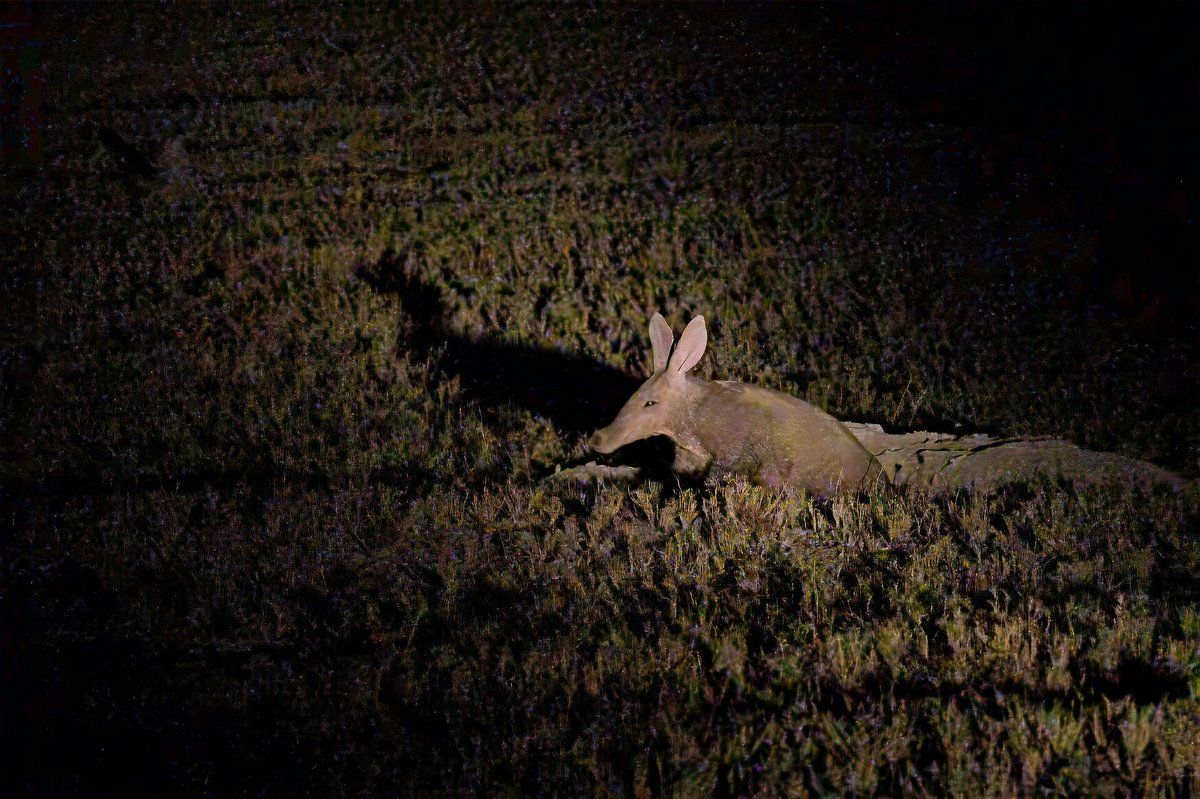
 Aardvark Night Foraging — Kalahari Botswana
Maun, Central District, BW
 Peak season
 Aardvark Night Foraging — Kalahari South Africa
Upington, Northern Cape, South Africa
 Returns Jan 2027
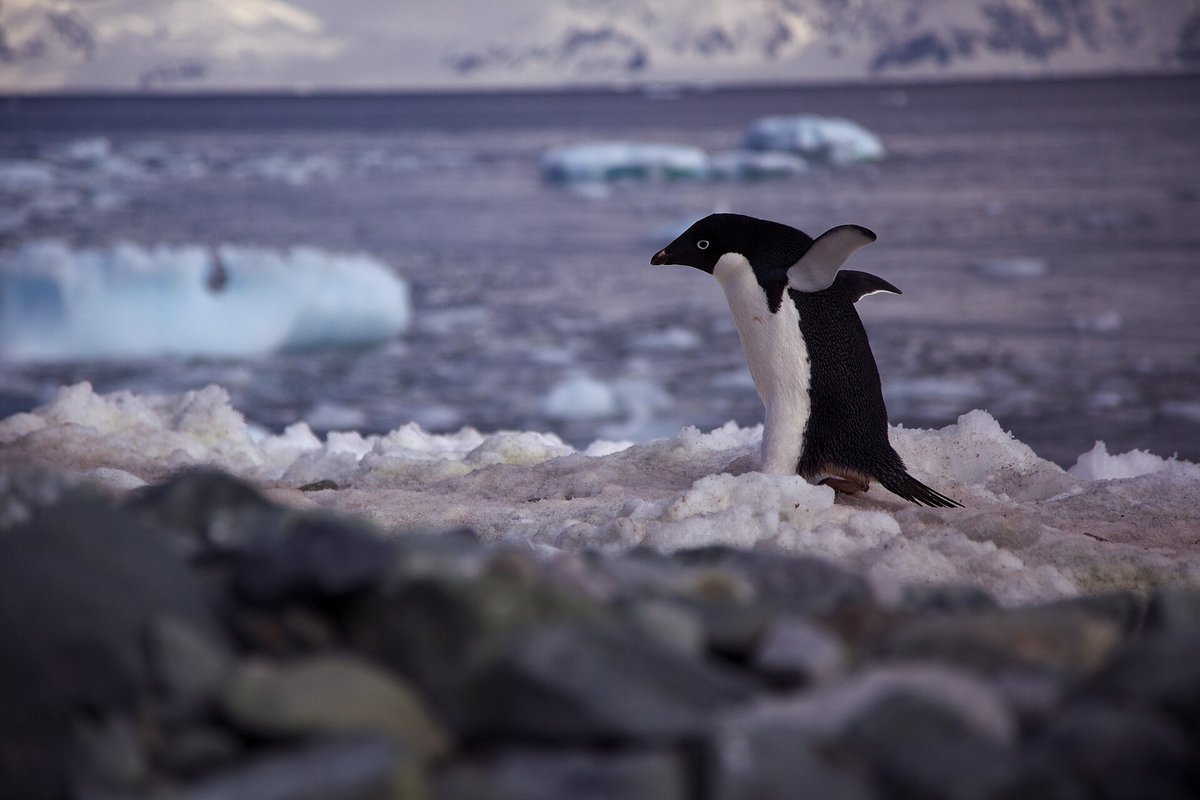
 Adélie Penguin Highway — Ross Sea Antarctica
Cape Royds, Antarctica, AQ