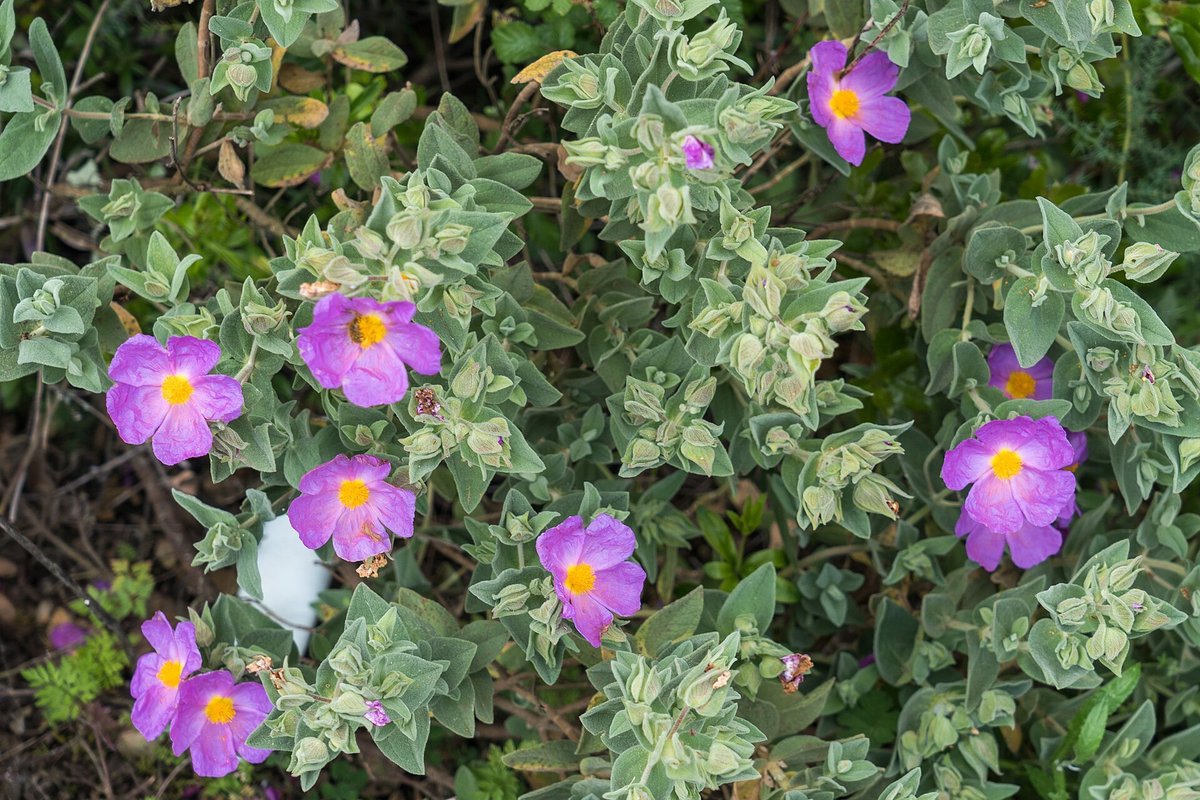
Wild Cistus Bloom — Corsica Maquis
Each April and May, the maquis scrubland of Corsica erupts in one of the Mediterranean's most fragrant and visually arresting wildflower displays as pink and white cistus bushes bloom simultaneously across hillsides of dense aromatic scrub, turning the island's granite slopes into a mosaic of colour visible from the sea. Corsican cistus — including the endemic Cistus creticus corsicus — produces flowers of intense saturated pink that open fresh each morning and drop their petals by afternoon, covering the ground beneath each bush in a daily snowfall of pink tissue. The maquis fragrance at this time — an intense combination of cistus resin, myrtle, rosemary, and Corsican pine — is so distinctive and powerful that Napoleon famously claimed he could identify Corsica by smell alone from a ship offshore. Walking the GR20 trail or the coastal paths of the Calanques de Piana through the height of the cistus bloom, with the deep blue Mediterranean visible below and Corsica's granite peaks above, is one of the Mediterranean's great spring walks. The display coincides with the arrival of bee-eaters, hoopoes, and subalpine warblers from Africa, creating a simultaneous botanical and avian spring spectacle.
About this spectacle
Each April and May, Corsica's maquis scrubland bursts into one of the Mediterranean's most arresting wildflower displays. Pink and white cistus bushes bloom simultaneously across granite hillsides, turning slopes into a mosaic of colour visible from the sea. The endemic Cistus creticus corsicus produces flowers of intense saturated pink that open fresh each morning and shed their petals by afternoon, carpeting the ground in a daily snowfall of pink tissue. The air is thick with an extraordinary blend of cistus resin, myrtle, rosemary, and Corsican pine — a fragrance so powerful it has defined the island's identity for centuries. Walking the coastal paths of the Calanques de Piana through the peak bloom, with the deep blue Mediterranean below and granite peaks above, delivers an immersive sensory experience of colour, scent, and sound. Bee-eaters, hoopoes, and subalpine warblers arrive simultaneously from Africa, adding birdsong and vivid colour to the botanical spectacle. Mornings offer the freshest flowers and the richest fragrance before the heat opens petals to drop.
When to go
Mar — Oct, peak Apr — May
Getting there
Nearest airport: AJA. Nearest city: Ajaccio.
Booking options
Goyova doesn't process bookings directly. When you tap "Plan this trip" in the app, you'll see options from our partner providers — accommodation, tours, transport — with affiliate links where applicable. See our affiliate disclosure for details.
More like this.
 Peak season
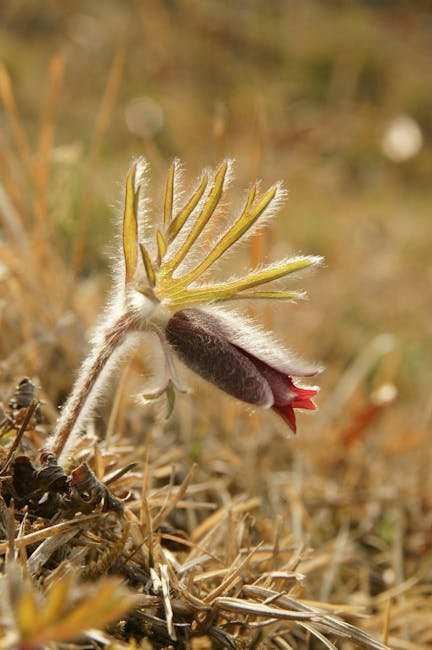
 Adonisröschen-Blüte Karlstadter Trockenrasen
Germany
 Peak season
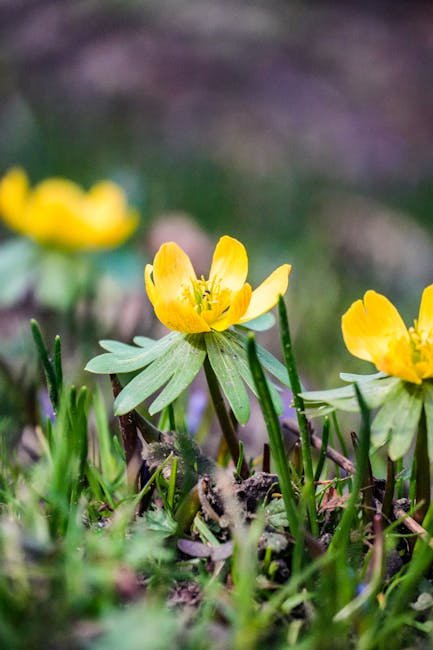
 Adonisröschen-Blüte Kyffhäuser
Germany
 Peak season
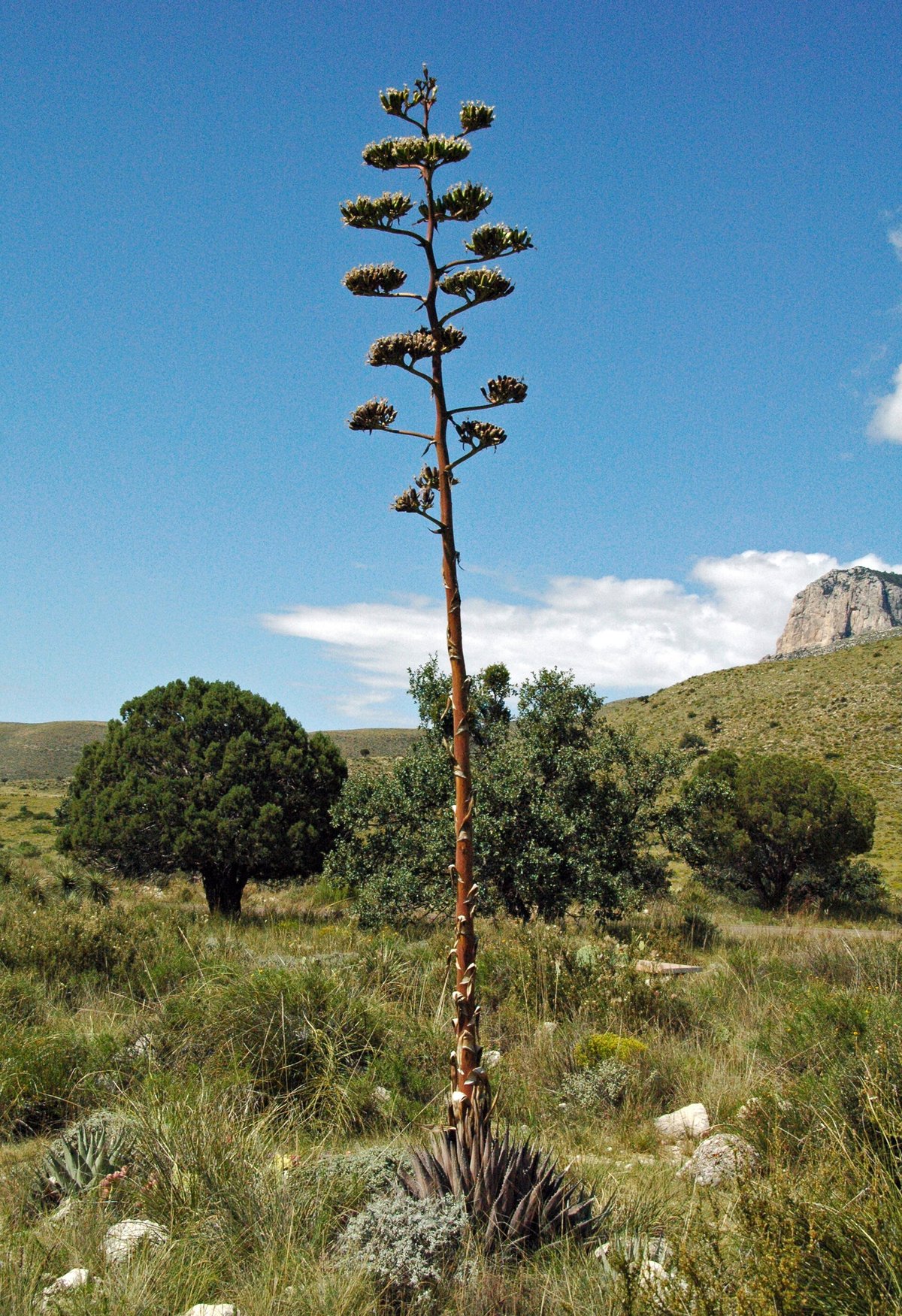
 Agave Century Plant Mass Bloom — Oaxaca Mexico
Oaxaca City, Oaxaca, Mexico