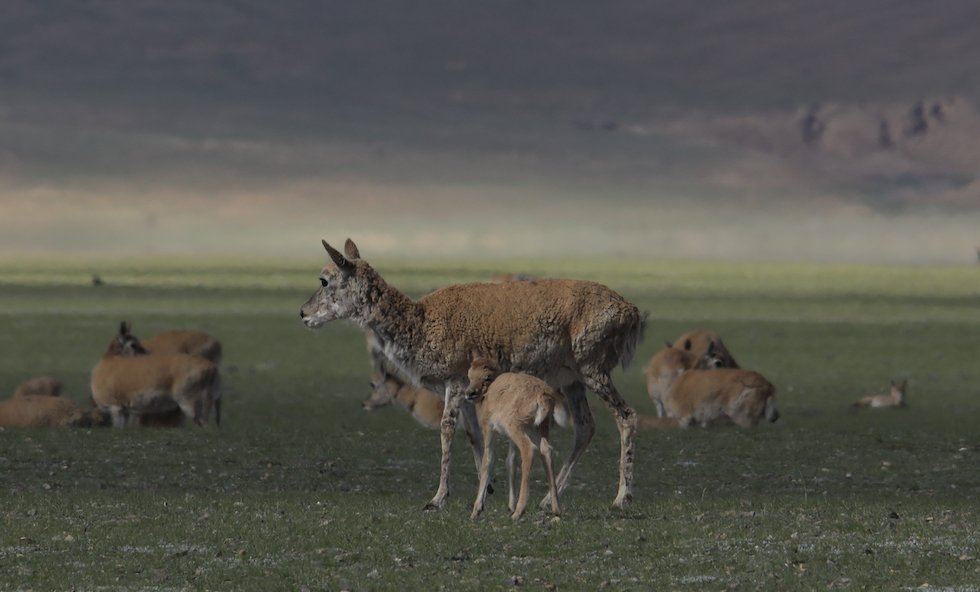
Tibetan Antelope Migration — Kekexili China
The Tibetan antelope (chiru) migration through the Kekexili Nature Reserve in Qinghai — 200,000 pregnant females walking north to their calving grounds at 5,000 metres altitude in May and June, one of the world's largest remaining ungulate migrations — is observable from the Qinghai-Tibet Highway (G109) where the herds cross in continuous groups for 2–3 weeks. The antelope's migration corridor passes under the Qinghai-Tibet Railway's wildlife bridges (specifically designed for the migration) and the highway's regulated crossing points, and the sight of 5,000 Tibetan antelope crossing the road in a single morning — their pale sandy coats against the brown plateau, the males' long parallel horns visible at distance — is one of the High Asian plateau's most powerful wildlife spectacles. The Kekexili's patrol rangers whose work stopping poaching transformed the chiru population from 20,000 in the 1990s to 200,000 today give the migration a conservation narrative of genuine heroism.
About this spectacle
Each May and June, roughly 200,000 pregnant female Tibetan antelope — chiru — move northward across the Qinghai-Tibet Plateau to calving grounds sitting at around 5,000 metres altitude. Visitors positioned along the Qinghai-Tibet Highway (G109) watch continuous herds cross at regulated points, sometimes seeing 5,000 animals ford the road in a single morning. The chiru's pale sandy coats ripple against the brown-ochre plateau, and the males' long, near-parallel horns can be identified even at distance through binoculars. The air is thin and bitterly cold; wind carries the soft percussion of thousands of hooves. Overhead, the engineered arches of the Qinghai-Tibet Railway's dedicated wildlife bridges frame the crossing. The spectacle lasts two to three weeks before the herds thin and the plateau returns to silence. Rangers who fought a legendary anti-poaching campaign — rebuilding the population from roughly 20,000 animals in the 1990s to today's 200,000 — still patrol the corridor, lending the entire experience a palpable conservation undercurrent that deepens its emotional weight.
When to go
May — Jun
Getting there
Nearest airport: XIE.
Booking options
Goyova doesn't process bookings directly. When you tap "Plan this trip" in the app, you'll see options from our partner providers — accommodation, tours, transport — with affiliate links where applicable. See our affiliate disclosure for details.
More like this.
 Peak season
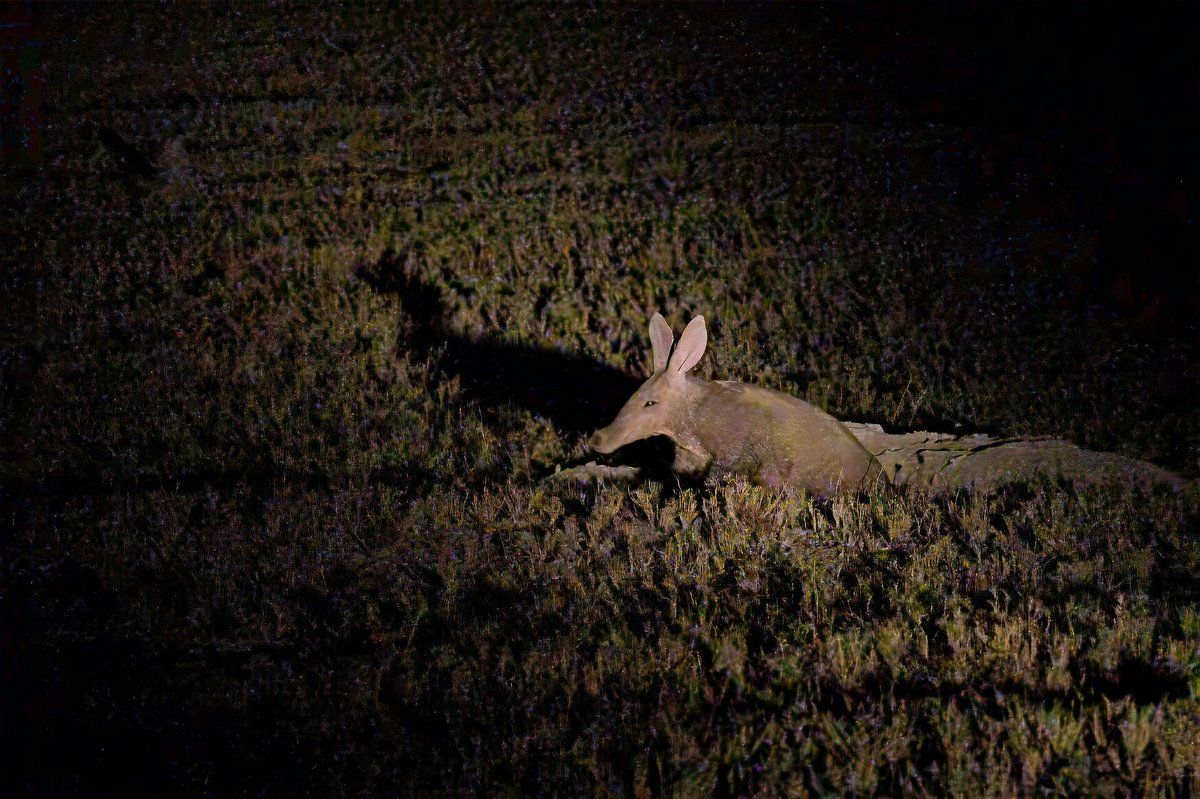
 Aardvark Night Foraging — Kalahari Botswana
Maun, Central District, BW
 Peak season
 Aardvark Night Foraging — Kalahari South Africa
Upington, Northern Cape, South Africa
 Returns Jan 2027
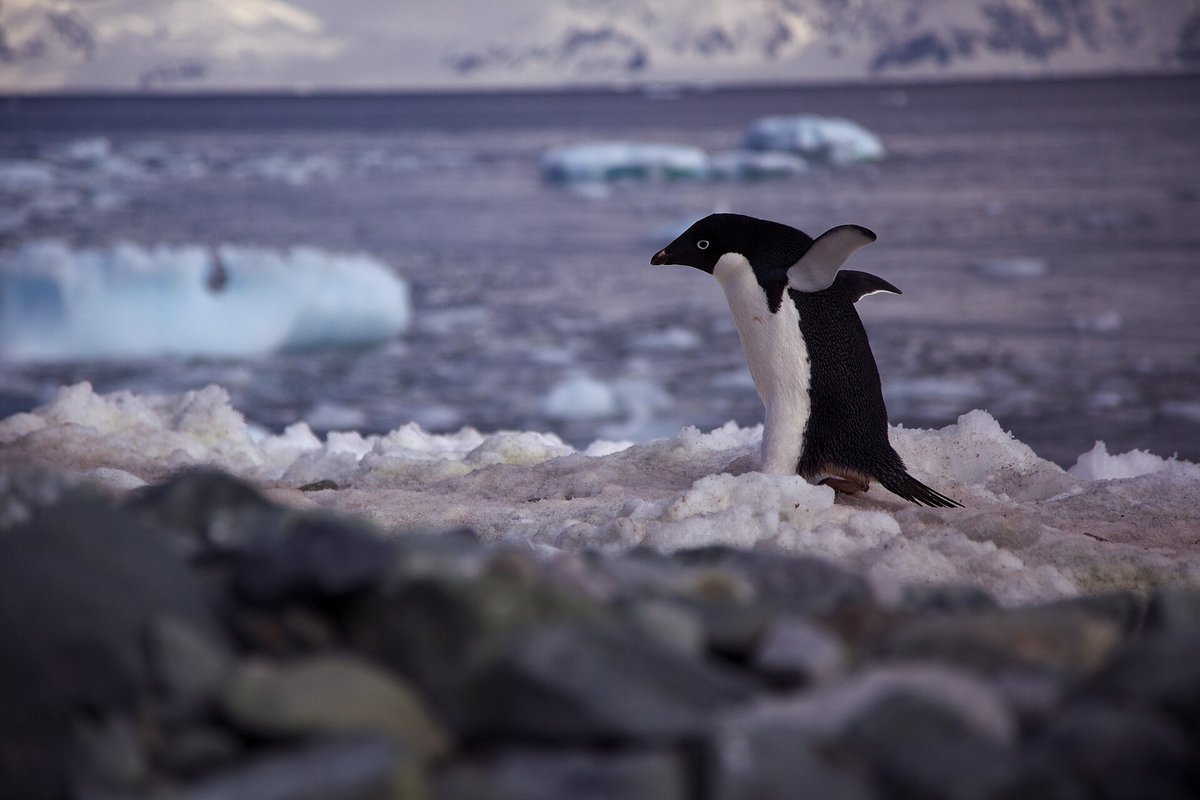
 Adélie Penguin Highway — Ross Sea Antarctica
Cape Royds, Antarctica, AQ