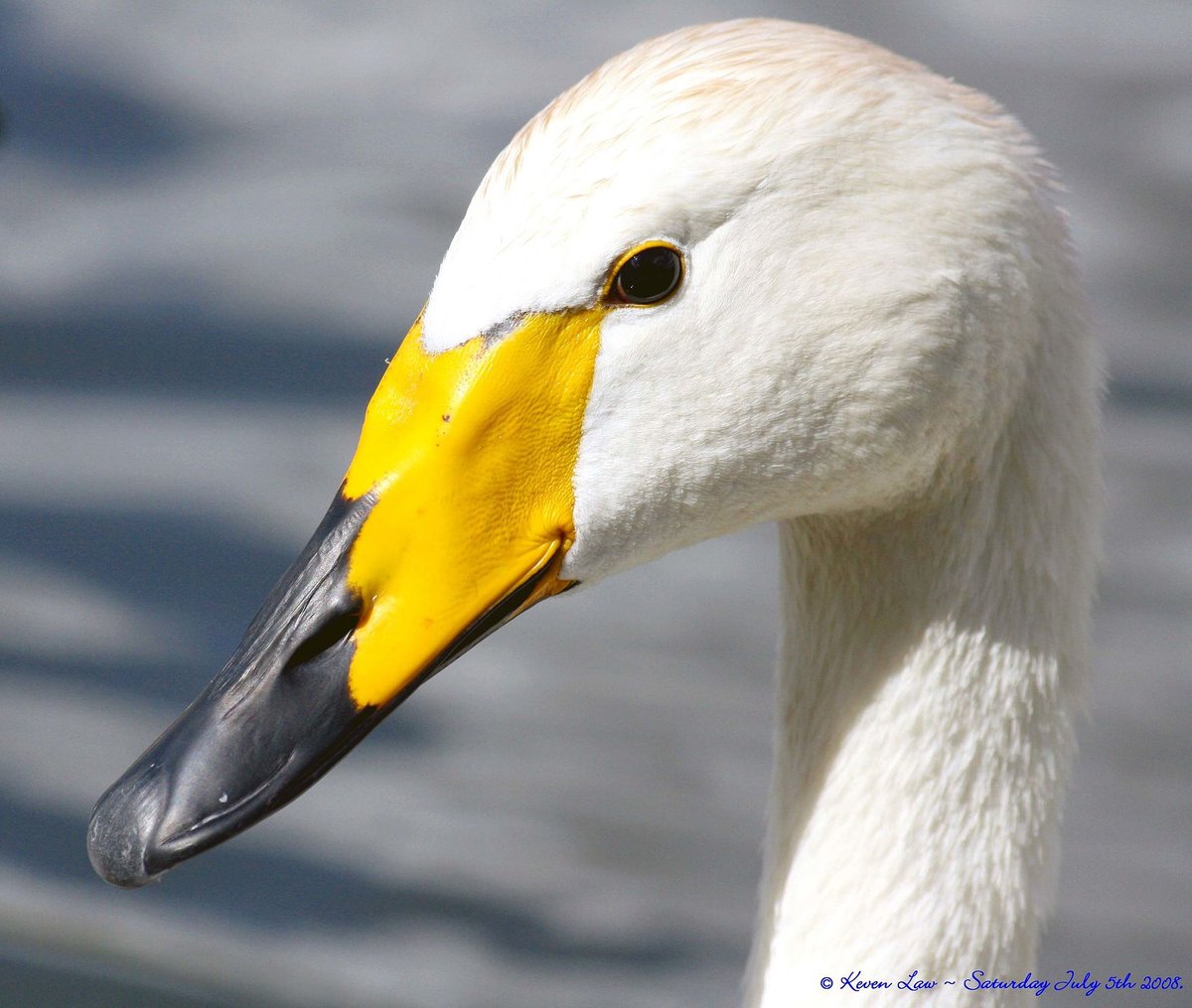
Taiga Swan Migration — Ouse Washes England
The Ouse Washes' whooper swan (Cygnus cygnus) and Bewick's swan (Cygnus columbianus bewickii) combined roost from October through February — the twice-daily flight between the roosting floods and the feeding fields, the swans' bugling contact calls filling the flat Cambridgeshire fen — is complemented by the regular Tundra swan visitor whose rare appearance triggers the reserve's 'rare bird' alert. The WWT Welney reserve's heated hides and the evening floodlit swan feeding (grain distributed as the birds return from the fields at dusk) create the UK's most comfortable and most sustained winter swan watching, and the Bewick's swans' individual yellow-black bill pattern recognition programme (running continuously since 1963 and creating a 60-year dataset of known individuals) creates an additional dimension: each named bird's life history available to the guide pointing out specific individuals at 20-metre range from the heated hide.
About this spectacle
Each winter evening at WWT Welney, hundreds of whooper and Bewick's swans lift from the flooded washes in V-shaped skeins, their deep bugling calls rolling across the flat Cambridgeshire fenland as they return from feeding fields at dusk. Inside the reserve's heated hides, visitors sit just twenty metres from the water's edge as staff distribute grain under floodlights, drawing the swans in close enough to study individual bill patterns. Bewick's swans — smaller, rounder-headed than whoopers — carry unique yellow-black bill markings, and guides with six decades of records can introduce specific named individuals and recount their life histories. The twice-daily flight between roost and feeding grounds produces constant movement across an enormous open sky: long white lines of birds against winter grey, punctuated by the occasional alert for a rare Tundra swan. The calls never fully stop. Frost on the reed edges, the warm fug of the hide, and 200 swans glowing under floodlights make this one of Britain's most atmospheric winter wildlife encounters.
When to go
Oct — Feb, peak Nov — Jan
Getting there
Nearest airport: STN. Nearest city: Peterborough.
Booking options
Goyova doesn't process bookings directly. When you tap "Plan this trip" in the app, you'll see options from our partner providers — accommodation, tours, transport — with affiliate links where applicable. See our affiliate disclosure for details.
More like this.
 Peak season
 Aardvark Night Foraging — Kalahari Botswana
Maun, Central District, BW
 Peak season
 Aardvark Night Foraging — Kalahari South Africa
Upington, Northern Cape, South Africa
 Returns Jan 2027
 Adélie Penguin Highway — Ross Sea Antarctica
Cape Royds, Antarctica, AQ