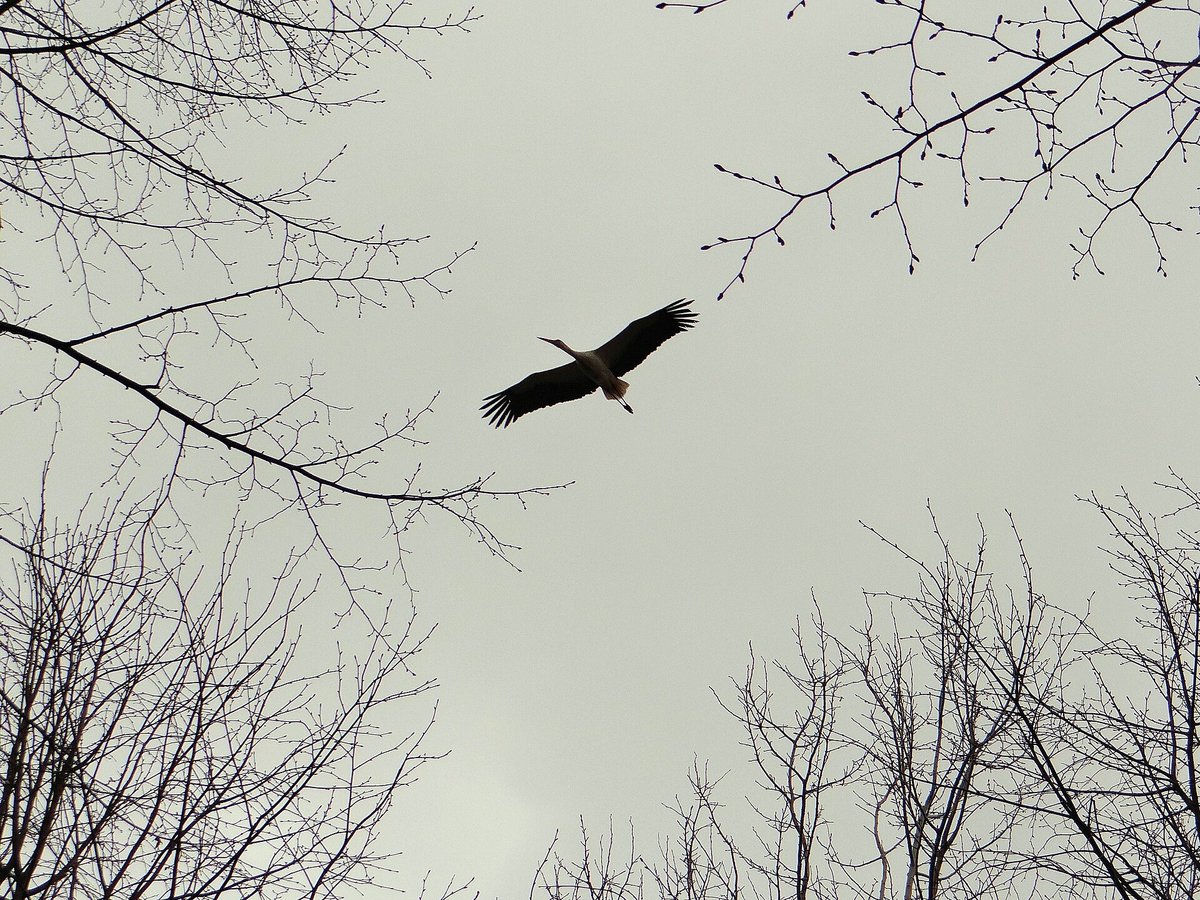
Stork Village — Kozloduy Bulgaria
The Danube floodplain villages of northwestern Bulgaria around Kozloduy and Belene host some of the densest white stork nesting concentrations in Europe, with village rooftops, electricity poles, and purpose-built platforms in some settlements carrying a stork nest on every available elevated surface — creating streetscapes in which the storks outnumber the human residents and the sound of bill-clattering fills the village air from March through August. Bulgaria's Danube plains have maintained traditional agricultural practices that support the insect and amphibian prey base storks require, and the villages' intimacy with the nesting birds — chicks visible from bedroom windows, adults landing on chimney pots two metres from the front door — represents a human-wildlife coexistence of a kind largely lost elsewhere in Europe. The Danube river floodplain meadows below the villages flood seasonally, creating feeding grounds for hundreds of storks that can be watched en masse from the river levee. The adjacent Persina Nature Park protects Danube islands with breeding herons, cormorants, and night herons adding further colonial nesting spectacle. A village stork count on a warm May morning typically reveals 30 to 50 occupied nests within a single settlement.
About this spectacle
Arrive in a Danube floodplain village near Kozloduy or Belene on a warm May morning and the storks announce themselves before you see them — a dry, wooden bill-clattering that rattles across rooftops and chimney pots. Nests crown every elevated surface: electricity poles, purpose-built platforms, and ridge tiles, so densely packed that the skyline is a jumble of stick-pile architecture. Adults glide in low over cottage gardens, landing two metres from front doors with total indifference to human observers below. Chicks stretch and flap from nests visible at bedroom-window level. Walk to the river levee and the scale expands: seasonal floods have turned the Danube meadows into a stork cafeteria, with hundreds of birds stalking the shallows for frogs and large insects. The adjacent Persina Nature Park adds herons, cormorants, and night herons nesting colonially on the Danube islands, audible and visible from the levee bank. This is one of the few places in Europe where wild storks and village life remain genuinely intertwined, the sound and spectacle utterly immersive.
When to go
Mar — Aug, peak Apr — Jun
Getting there
Nearest airport: SOF. Nearest city: Pleven.
Booking options
Goyova doesn't process bookings directly. When you tap "Plan this trip" in the app, you'll see options from our partner providers — accommodation, tours, transport — with affiliate links where applicable. See our affiliate disclosure for details.
More like this.
 Peak season
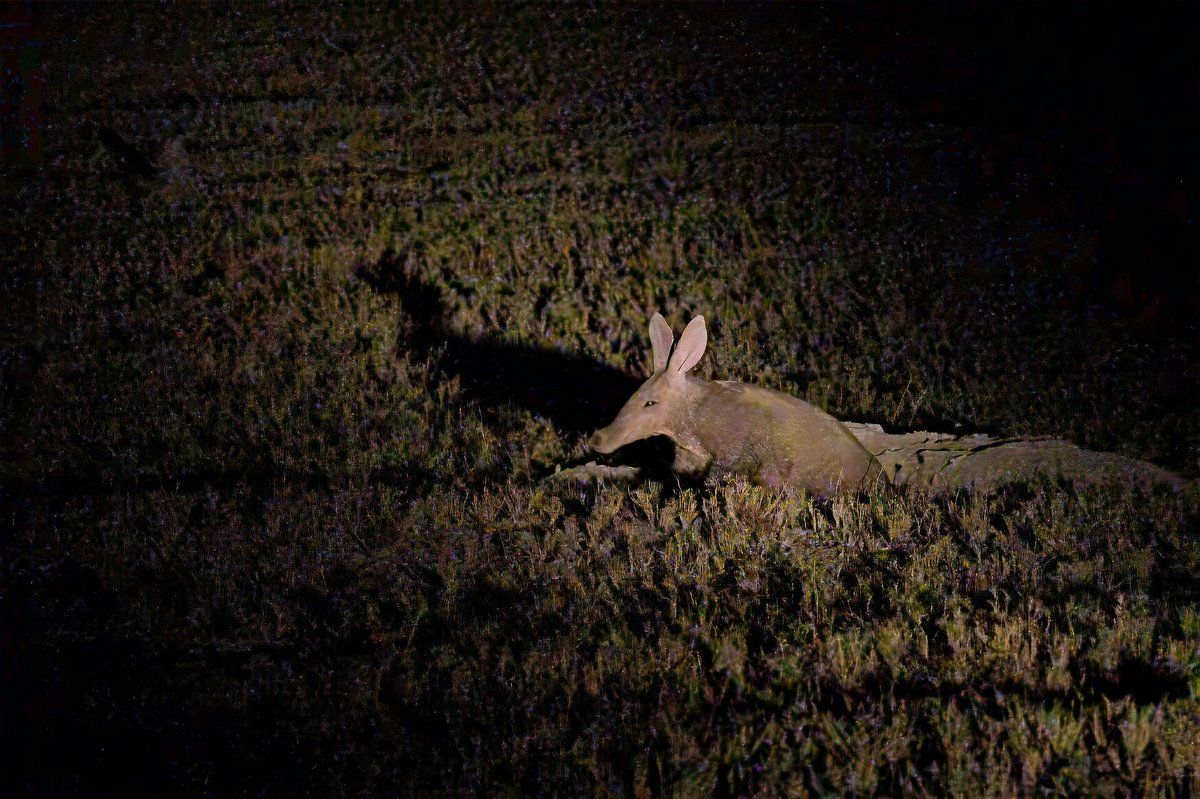
 Aardvark Night Foraging — Kalahari Botswana
Maun, Central District, BW
 Peak season
 Aardvark Night Foraging — Kalahari South Africa
Upington, Northern Cape, South Africa
 Returns Jan 2027
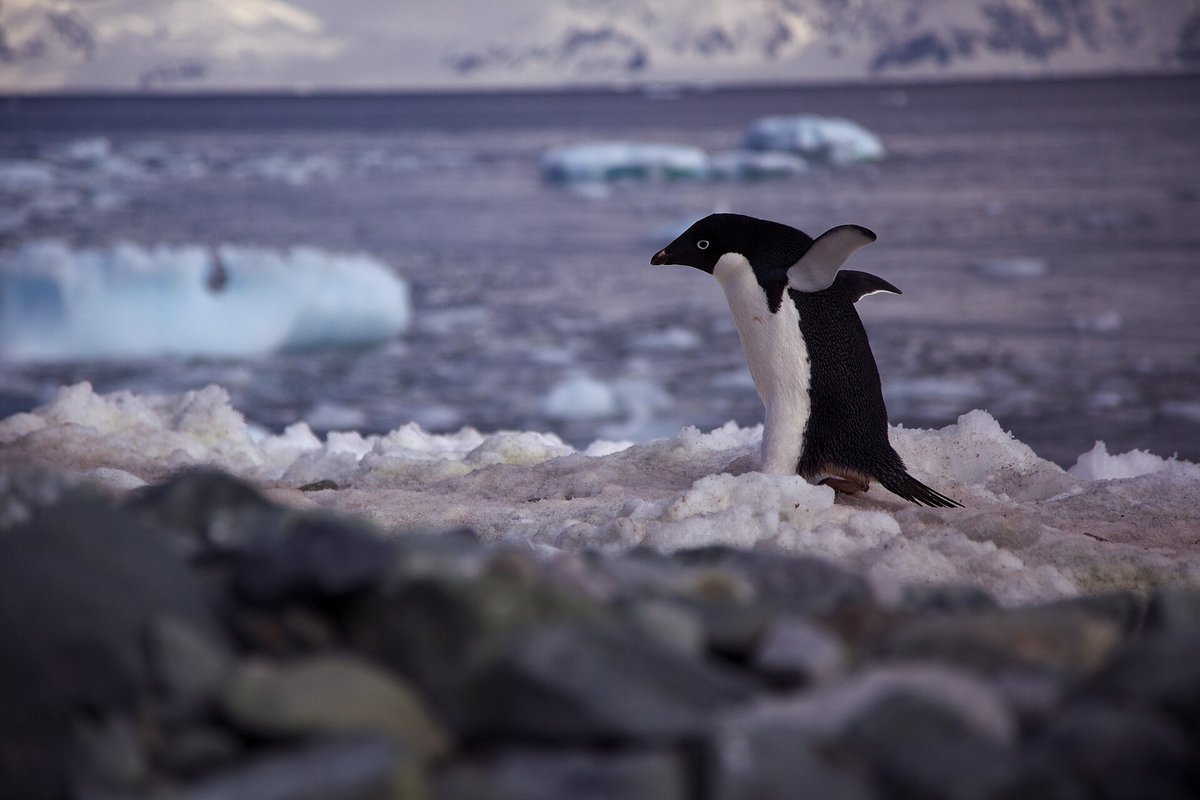
 Adélie Penguin Highway — Ross Sea Antarctica
Cape Royds, Antarctica, AQ