
Spanish Imperial Eagle Territory — Extremadura
Extremadura in western Spain holds the world's largest population of Spanish imperial eagles — a species that came within 30 birds of extinction in the 1960s and has recovered to over 800 pairs through one of Europe's greatest conservation achievements. The cork-oak and stone-pine dehesa landscape around Monfragüe National Park provides the ideal combination of open hunting ground and tall nest trees, and guided dawn drives through the park reveal up to fifteen individual eagles in a single morning — large, boldly patterned birds with distinctive white shoulder patches soaring on thermals above the Tagus river gorge. Monfragüe's dramatic rocky gorges also host Eurasian black vultures, griffon vultures, and Egyptian vultures nesting together — a raptor diversity unmatched anywhere in Western Europe. The surrounding dehesa — grazed by black Iberian pigs, white cattle, and free-ranging horses — provides a glimpse of Europe's ancient agricultural landscape maintained essentially unchanged since Roman times. The Spanish imperial eagle's recovery is one of the world's great conservation stories and every sighting carries the weight of that history.
About this spectacle
At dawn, guided vehicles roll through Monfragüe National Park as thermals begin to rise off the Tagus river gorge. Within a single morning, visitors may count up to fifteen Spanish imperial eagles — large, dark raptors whose brilliant white shoulder patches flash against the sky as they circle above cork-oak and stone-pine canopy. These are birds that nearly vanished: fewer than thirty individuals remained in the 1960s, and every sighting carries the tension of that near-loss. The calls of unseen birds drift across the dehesa, where black Iberian pigs root beneath ancient oaks and cattle graze unhurried. Above the dramatic rocky gorges, four vulture species share the thermals — Eurasian black, griffon, and Egyptian vultures alongside the eagles — creating a raptor spectacle unmatched in Western Europe. The landscape itself is extraordinary: an open-grazed savanna unchanged in character since Roman times, lit at dawn by low amber light that rolls across the valley. Binoculars are essential; a knowledgeable guide transforms the experience from scenic drive to intimate wildlife encounter.
When to go
Jan — Dec, peak Feb — Jun
Getting there
Nearest airport: MAD. Nearest city: Cáceres.
Booking options
Goyova doesn't process bookings directly. When you tap "Plan this trip" in the app, you'll see options from our partner providers — accommodation, tours, transport — with affiliate links where applicable. See our affiliate disclosure for details.
More like this.
 Peak season
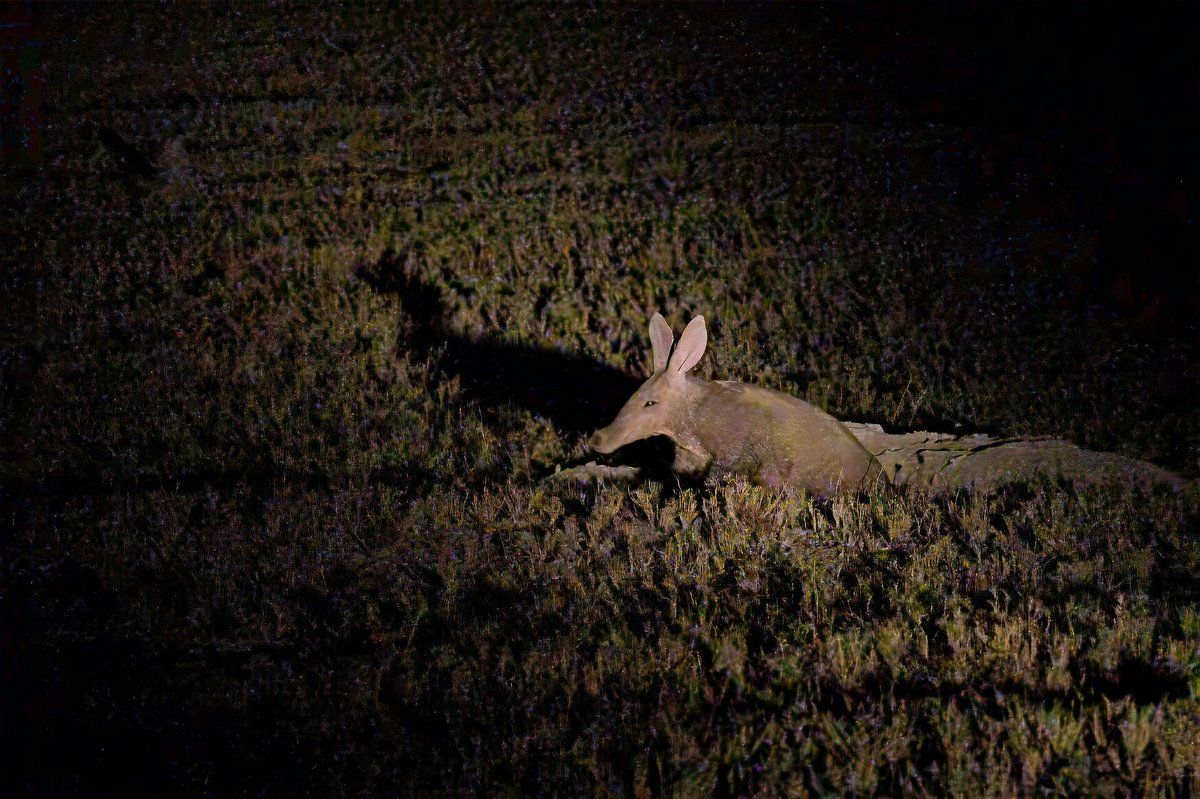
 Aardvark Night Foraging — Kalahari Botswana
Maun, Central District, BW
 Peak season
 Aardvark Night Foraging — Kalahari South Africa
Upington, Northern Cape, South Africa
 Returns Jan 2027
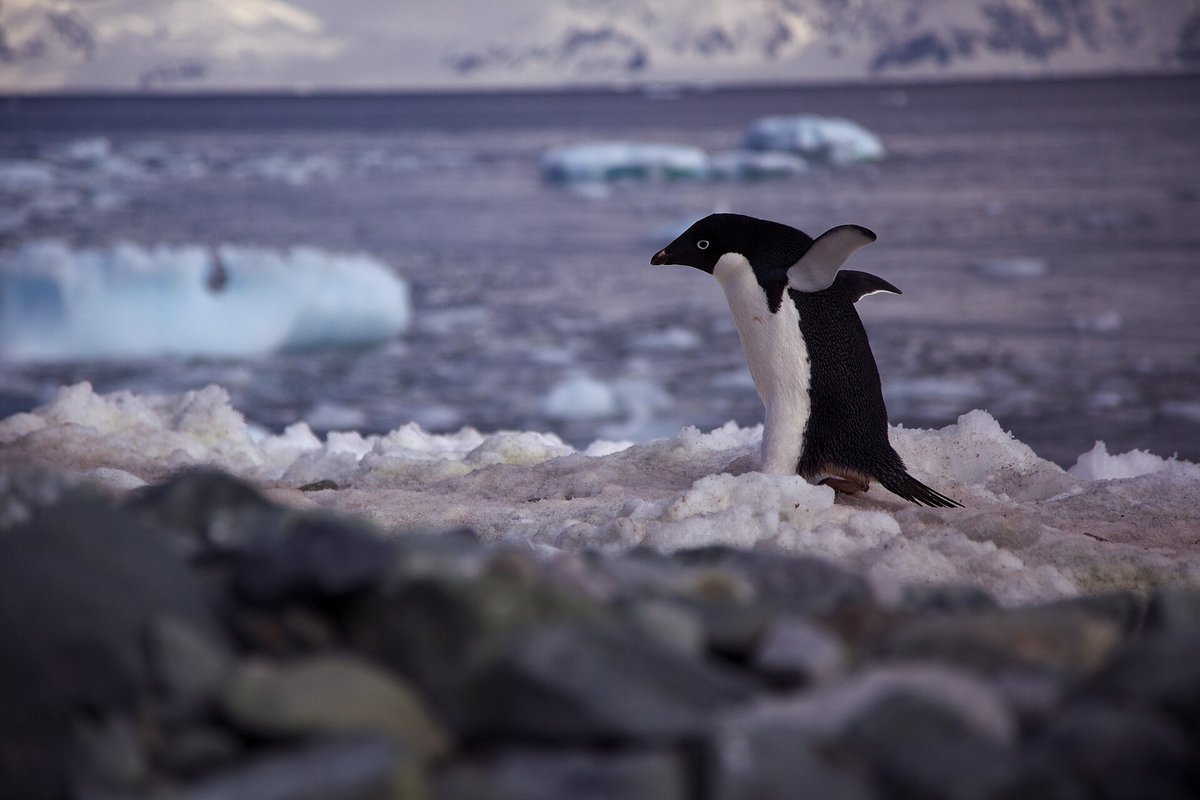
 Adélie Penguin Highway — Ross Sea Antarctica
Cape Royds, Antarctica, AQ