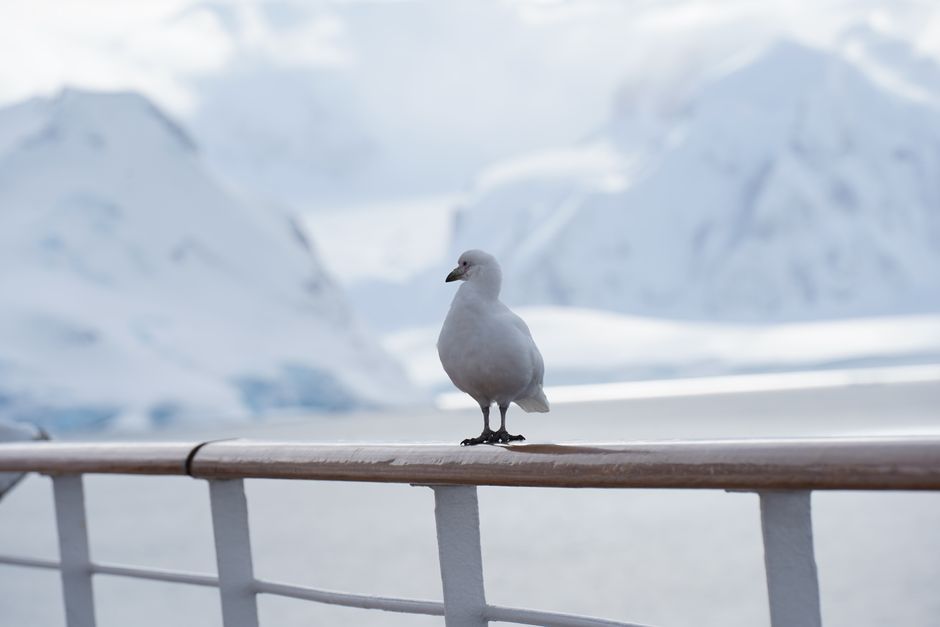
Snow Petrel Nesting — Queen Maud Land Antarctica
The snow petrel (Pagodroma nivea) — one of only three bird species that breed exclusively in Antarctica, its pure white plumage and black bill and eyes creating an appearance of complete seasonal adaptation — nests in rock crevices on the nunataks (exposed mountain peaks) of Queen Maud Land up to 400 kilometres inland from the coast, the deepest inland penetration of any nesting seabird. At the accessible nunatak outcrops near the Norwegian Antarctic station Troll, guided research trips in November and December encounter nesting snow petrels at close range on the wind-scoured ridges, the birds' pure white form against the blue Antarctic sky and black rock creating one of polar wildlife's most compositionally complete images. The snow petrel's ecological dependence on Antarctic sea ice (its entire food supply — Antarctic silverfish and krill — obtained within the pack ice zone) makes it one of the most climate-vulnerable seabirds on Earth, giving each encounter additional conservation weight.
About this spectacle
On the wind-scoured nunataks of Queen Maud Land, snow petrels nest in sheltered rock crevices at elevations and distances from the coast unmatched by any other seabird — up to 400 kilometres inland. Visitors joining guided research trips to nunatak outcrops near the Norwegian station Troll in November and December encounter these birds at close range: pure white against jet-black basalt and a deep Antarctic sky. The birds move with a ghost-like buoyancy in the polar wind, their black eyes and bill the only contrast against their plumage. The soundscape is raw — wind across exposed ridgelines, the occasional call of a petrel taking flight. Temperatures are extreme and the terrain unforgiving, but the compositional clarity — white bird, black rock, blue sky — is extraordinary. Each sighting carries ecological gravity: snow petrels are wholly dependent on Antarctic sea ice for food, and their presence at these remote inland sites represents one of the most remarkable navigational and physiological feats in the avian world.
When to go
Nov — Dec
Booking options
Goyova doesn't process bookings directly. When you tap "Plan this trip" in the app, you'll see options from our partner providers — accommodation, tours, transport — with affiliate links where applicable. See our affiliate disclosure for details.
More like this.
 Peak season
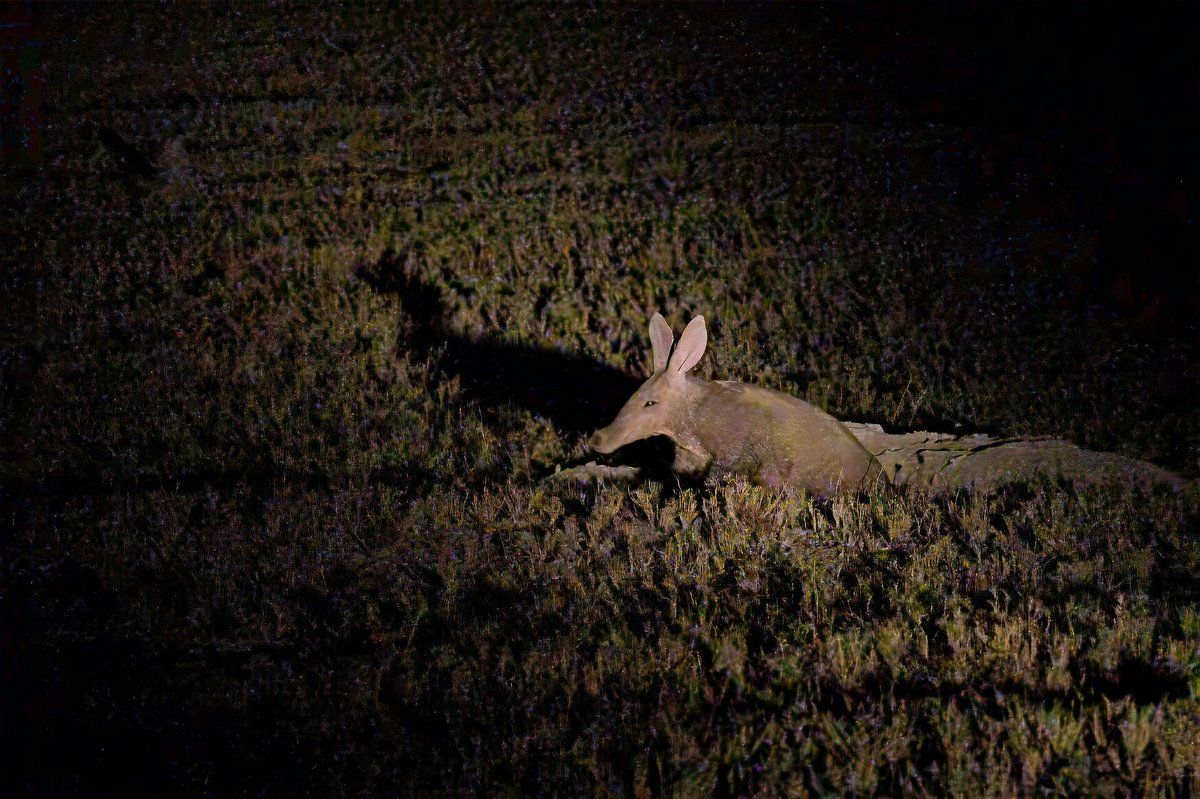
 Aardvark Night Foraging — Kalahari Botswana
Maun, Central District, BW
 Peak season
 Aardvark Night Foraging — Kalahari South Africa
Upington, Northern Cape, South Africa
 Returns Jan 2027
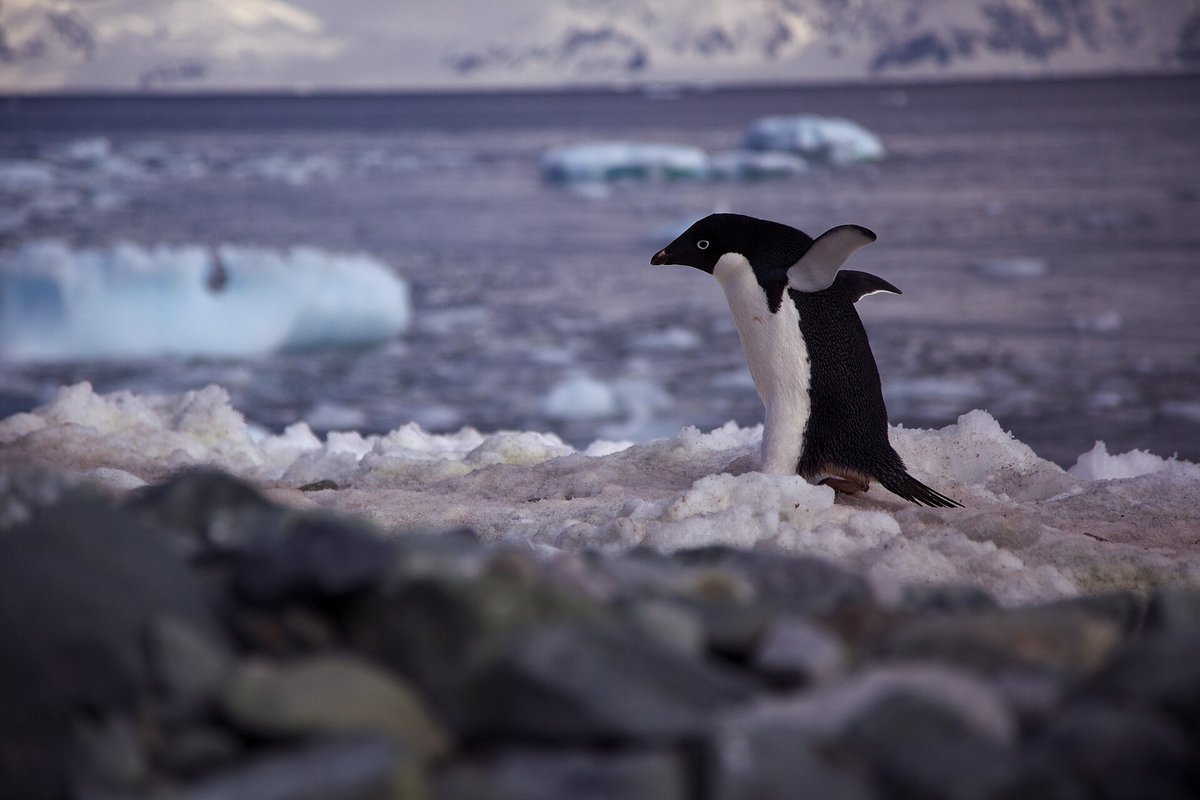
 Adélie Penguin Highway — Ross Sea Antarctica
Cape Royds, Antarctica, AQ