
Snow Leopard Tracking — Spiti Valley India
The snow leopard (Panthera uncia) tracking programme in Spiti Valley's Pin Valley National Park and the Kibber Wildlife Sanctuary — the most productive accessible snow leopard territory in South Asia, with 10–12 resident individuals in the Kibber-Chicham cliff landscape at 4,000–4,800 metres altitude — produces direct sightings on approximately 30% of 7-day dedicated tracking programmes from December through March. The snow leopard's combination of its extraordinary camouflage (the pale grey rosette coat disappearing against the grey limestone scree at 200 metres), its prey (bharal blue sheep in herds of 50–200 visible from the village roads), and the Spitian cultural context (the Buddhist monasteries' ancient relationship with the 'mountain ghost') creates a tracking encounter of deep ecological, cultural, and conservation significance. The Snow Leopard Conservancy's Kibber programme, which trains local herders as wildlife guides and pays compensation for livestock losses, creates a direct conservation model visible in each encounter.
About this spectacle
In the high-altitude cold desert of Spiti Valley, visitors join trained local herder-guides at elevations between 4,000 and 4,800 metres, scanning the grey limestone scree and cliff bands of the Kibber-Chicham landscape at first light. The snow leopard's pale grey rosette coat renders it nearly invisible against the rock at 200 metres — sightings require patience, spotting scopes, and skilled eyes. When a leopard does appear, often draped across a ledge or stalking bharal blue sheep, the silence and scale of the Himalayan winter amplify the encounter. Herds of 50–200 bharal visible from village roads provide both prey-tracking clues and dramatic supporting spectacle. The programme runs December through March, when snow concentrates animals on lower slopes and leopards are most active. Temperatures are severe, the air thin, and the landscape austere — a monochrome world of stone, snow and sky. The knowledge that guides are local herders trained through a community conservation model adds a layer of meaning to every sighting.
When to go
Dec — Mar
Getting there
Nearest airport: BHO. Nearest city: Shimla.
Booking options
Goyova doesn't process bookings directly. When you tap "Plan this trip" in the app, you'll see options from our partner providers — accommodation, tours, transport — with affiliate links where applicable. See our affiliate disclosure for details.
More like this.
 Peak season
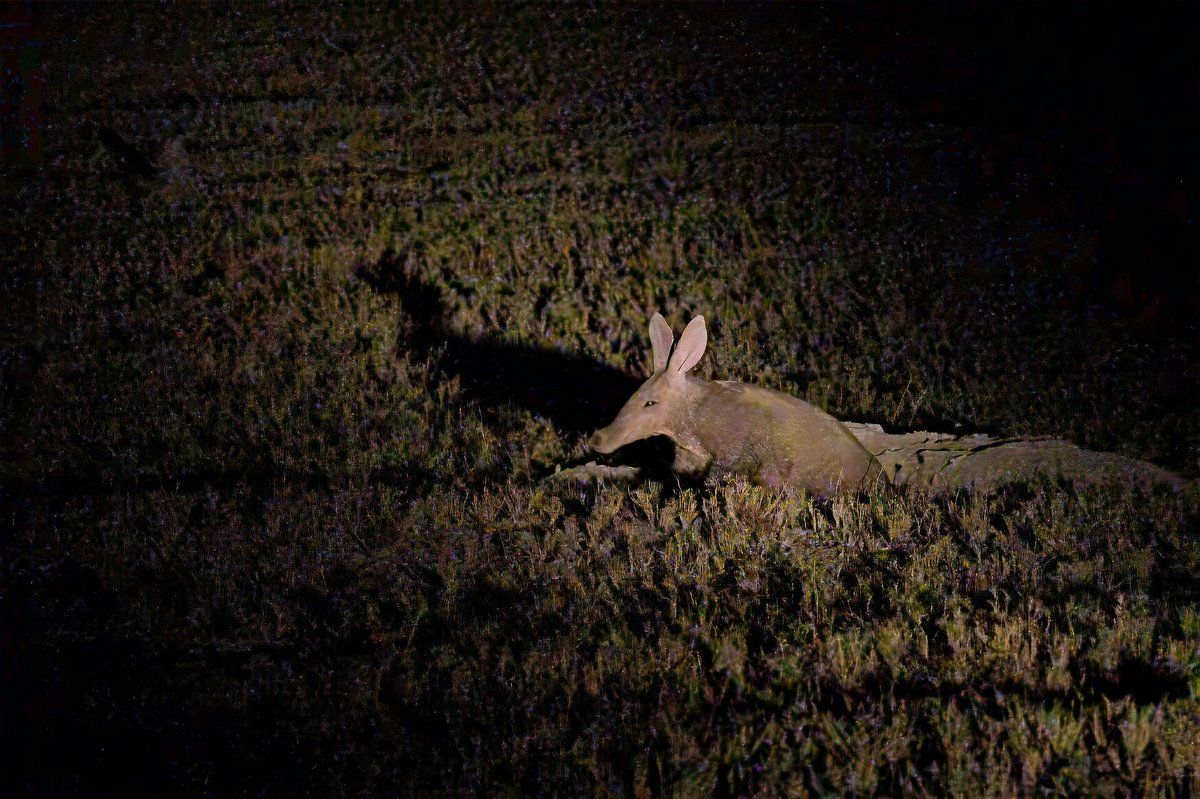
 Aardvark Night Foraging — Kalahari Botswana
Maun, Central District, BW
 Peak season
 Aardvark Night Foraging — Kalahari South Africa
Upington, Northern Cape, South Africa
 Returns Jan 2027
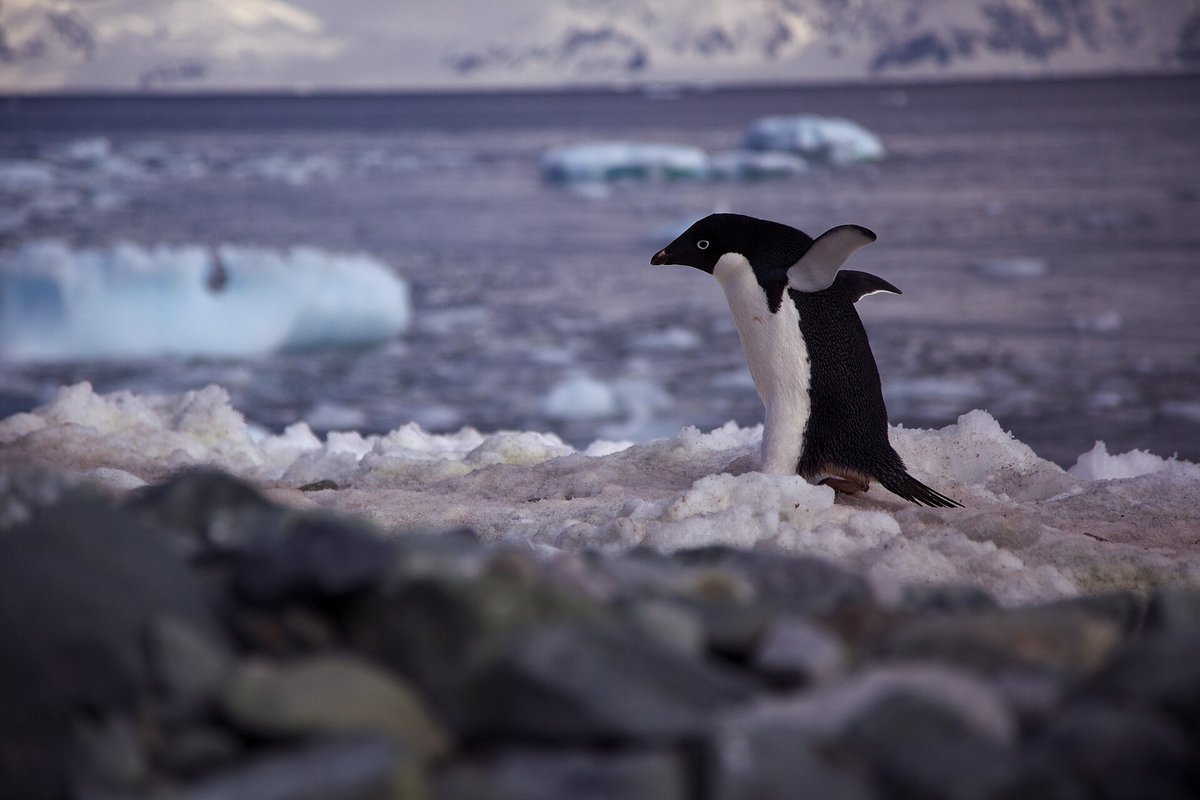
 Adélie Penguin Highway — Ross Sea Antarctica
Cape Royds, Antarctica, AQ