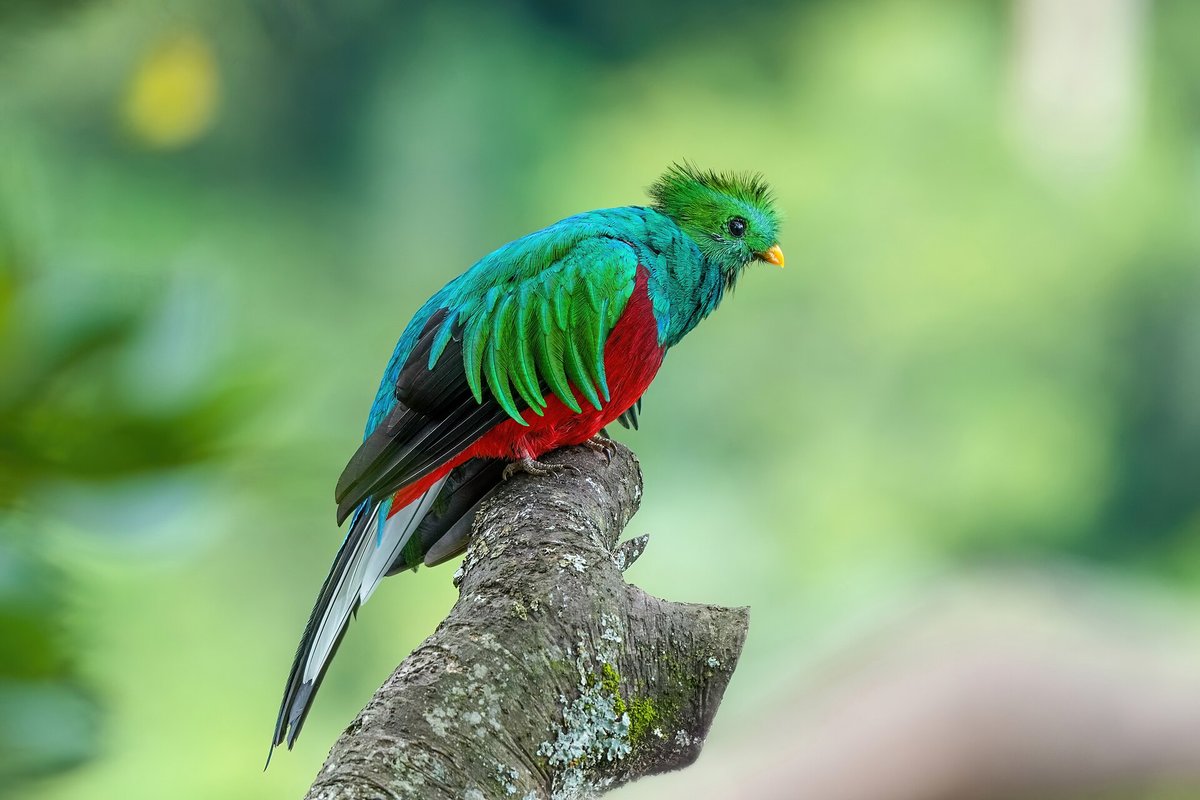
Resplendent Quetzal Nesting Season — Monteverde Costa Rica
The resplendent quetzal — the Maya sacred bird, whose 65-centimetre tail plumes were reserved for priests and kings — nests in the cloud forest of Monteverde and the Talamanca mountains of Costa Rica from March to June. At active nest cavities in dead tree trunks, the male quetzal's emerald-and-crimson body with its trailing green tail plumes fills the nest hole entrance while the female incubates within, creating one of the world's most vivid natural colour compositions. The male's aerial display flight — a swooping loop that shows both the iridescent green back and red belly in sequence — is performed near the nest through the breeding season. The cloud forest setting at 1,500–2,000 metres, with orchid-covered tree trunks and howler monkey calls, provides an appropriate and beautiful backdrop for a bird that has been the symbol of Central American natural abundance for 3,000 years.
About this spectacle
At dawn in Monteverde's cloud forest, the resplendent quetzal rewards patient visitors with one of the most intensely coloured wildlife encounters on Earth. Male quetzals — their 65-centimetre tail plumes trailing behind an emerald-and-crimson body — shuttle to and from nest cavities carved into dead tree trunks, filling the entrance hole with an almost surreal splash of iridescent green and red. The breeding season runs March to June, when males perform looping aerial display flights that reveal both the glittering green back and scarlet belly in a single arc. The cloud forest at 1,500–2,000 metres amplifies the experience: epiphyte-draped trunks drip with moisture, howler monkeys call from the canopy, and the low mist diffuses morning light into something close to a natural studio. Sightings are most reliable near confirmed nest sites, where the bird returns repeatedly, allowing sustained observation. Guides who know the active cavities transform a difficult forest bird into an almost certain encounter.
When to go
Jan — Dec, peak Mar — Jun
Getting there
Nearest airport: SJO. Nearest city: San José.
Booking options
Goyova doesn't process bookings directly. When you tap "Plan this trip" in the app, you'll see options from our partner providers — accommodation, tours, transport — with affiliate links where applicable. See our affiliate disclosure for details.
More like this.
 Peak season
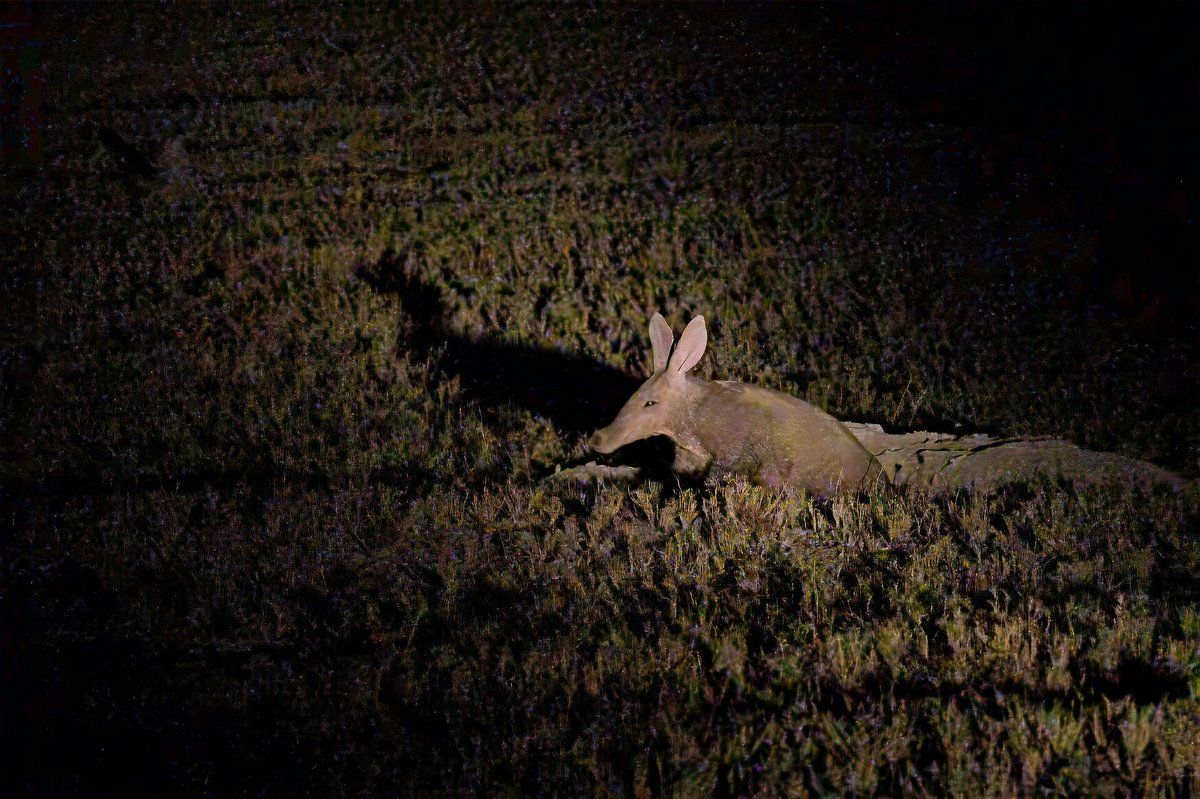
 Aardvark Night Foraging — Kalahari Botswana
Maun, Central District, BW
 Peak season
 Aardvark Night Foraging — Kalahari South Africa
Upington, Northern Cape, South Africa
 Returns Jan 2027
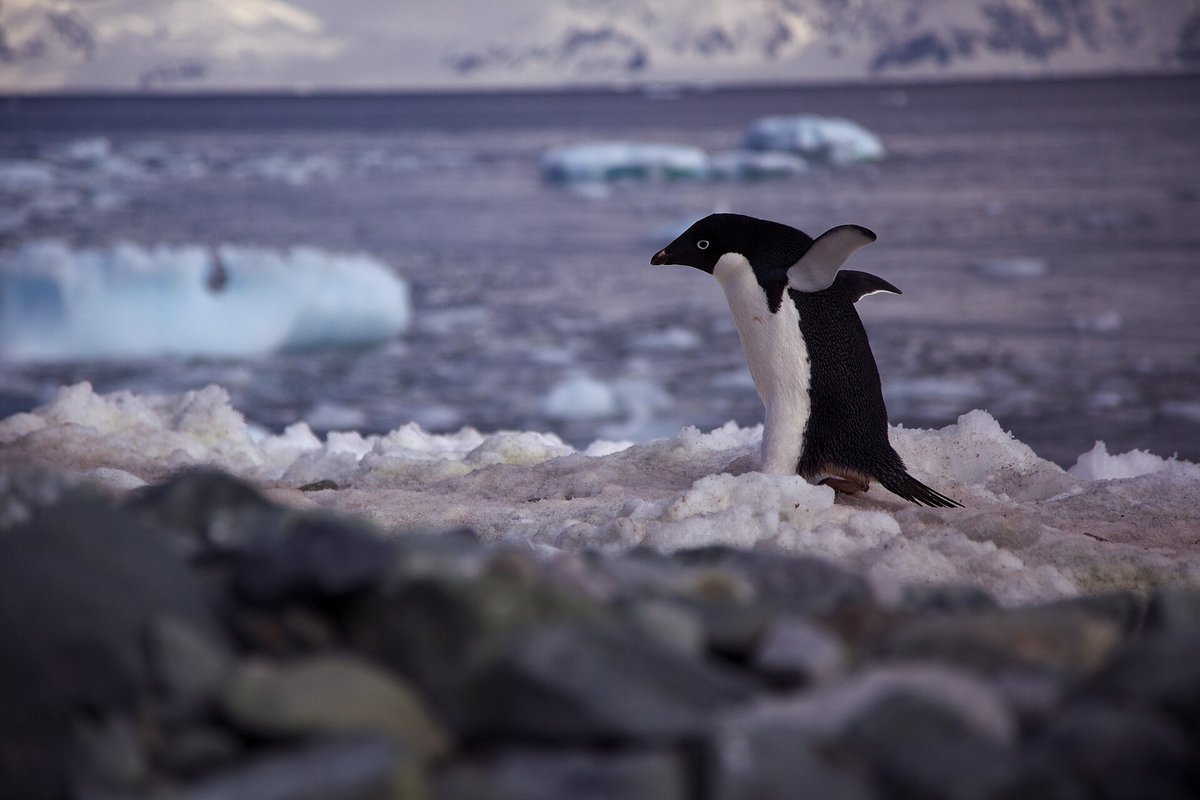
 Adélie Penguin Highway — Ross Sea Antarctica
Cape Royds, Antarctica, AQ