
Red-Crowned Crane Winter Feeding — Kushiro Japan
The red-crowned crane (Grus japonensis) wintering population at Tsurui-Ito Tancho Sanctuary in Hokkaido's Kushiro wetland — Japan's most accessible and most photographed winter wildlife site — concentrates 200–500 cranes at the farmers' supplementary feeding grounds from December through March. The combination of the crane's red-and-white plumage, the black-and-white snow landscape, and the courtship dances that continue throughout the winter creates Japan's most celebrated single wildlife image. At the Tsurui feeding station the cranes' dance is continuous from 9am to 3pm, and the morning frost's ice crystals on the nearby frozen river reeds, the steam from the cranes' breath in the -20°C air, and the sharp winter light on the white birds creates a Japanese winter landscape of extraordinary visual quality. The sanctuary's relationship with the local farming community — the farmers who voluntarily feed the cranes daily throughout winter — embeds the crane's conservation in a human story of considerable depth.
About this spectacle
At the Tsurui-Ito Tancho Sanctuary on Hokkaido's Kushiro wetland, between 200 and 500 red-crowned cranes gather each winter morning at farmers' supplementary feeding grounds. In temperatures that can plunge to -20°C, the birds' breath rises as visible steam against the frozen landscape, and ice crystals coat the reeds of the nearby river. The cranes' striking red-cap and black-and-white plumage stands vivid against the monochrome snow. From roughly 9am to 3pm, the cranes perform their courtship dances continuously — bowing, leaping, and calling in choreographic sequences that fill the air with sound. The sharp winter light catches white feathers in crystalline clarity. This is a managed feeding site where local farmers voluntarily provide food daily, meaning the spectacle is predictable and dense. The combination of visual drama, choreographic movement, sub-zero atmospheric effects, and Japan's most iconic winter wildlife tableau makes this one of the most photographically rewarding wildlife experiences on the planet.
When to go
Dec — Mar
Getting there
Nearest airport: KUH. Nearest city: Kushiro.
Booking options
Goyova doesn't process bookings directly. When you tap "Plan this trip" in the app, you'll see options from our partner providers — accommodation, tours, transport — with affiliate links where applicable. See our affiliate disclosure for details.
More like this.
 Peak season
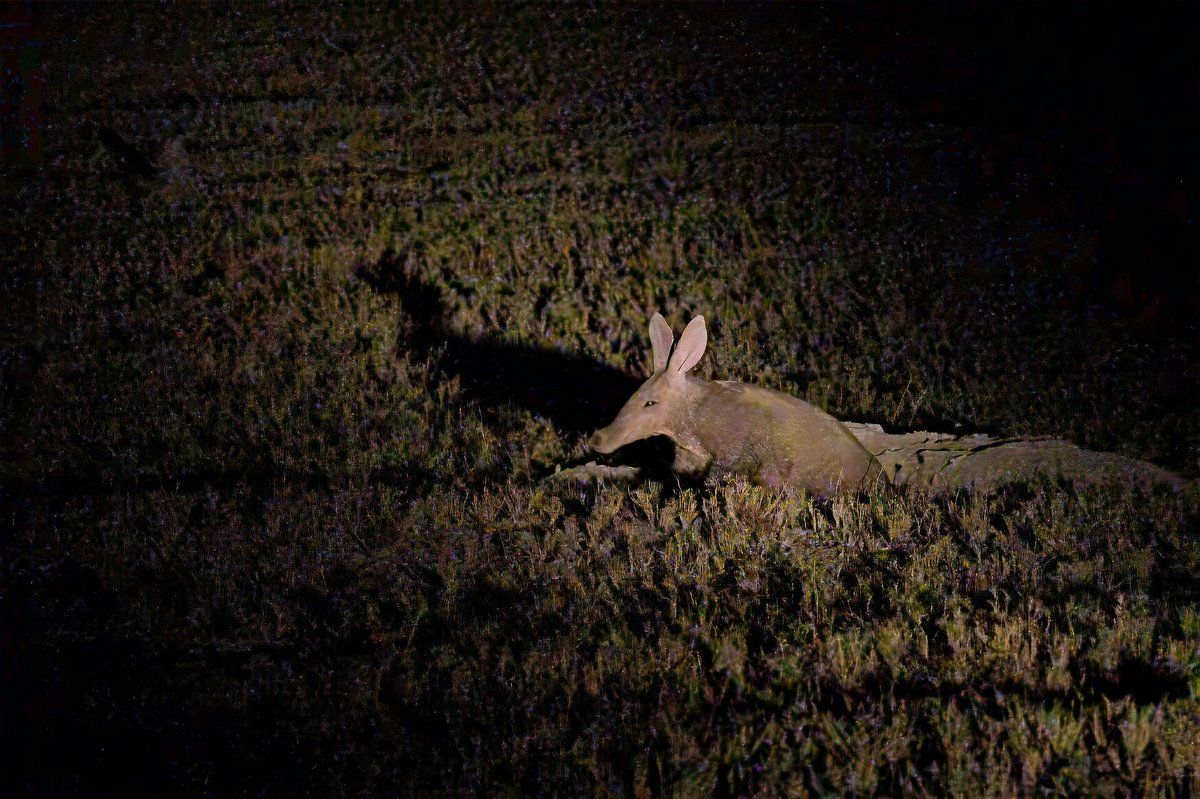
 Aardvark Night Foraging — Kalahari Botswana
Maun, Central District, BW
 Peak season
 Aardvark Night Foraging — Kalahari South Africa
Upington, Northern Cape, South Africa
 Returns Jan 2027
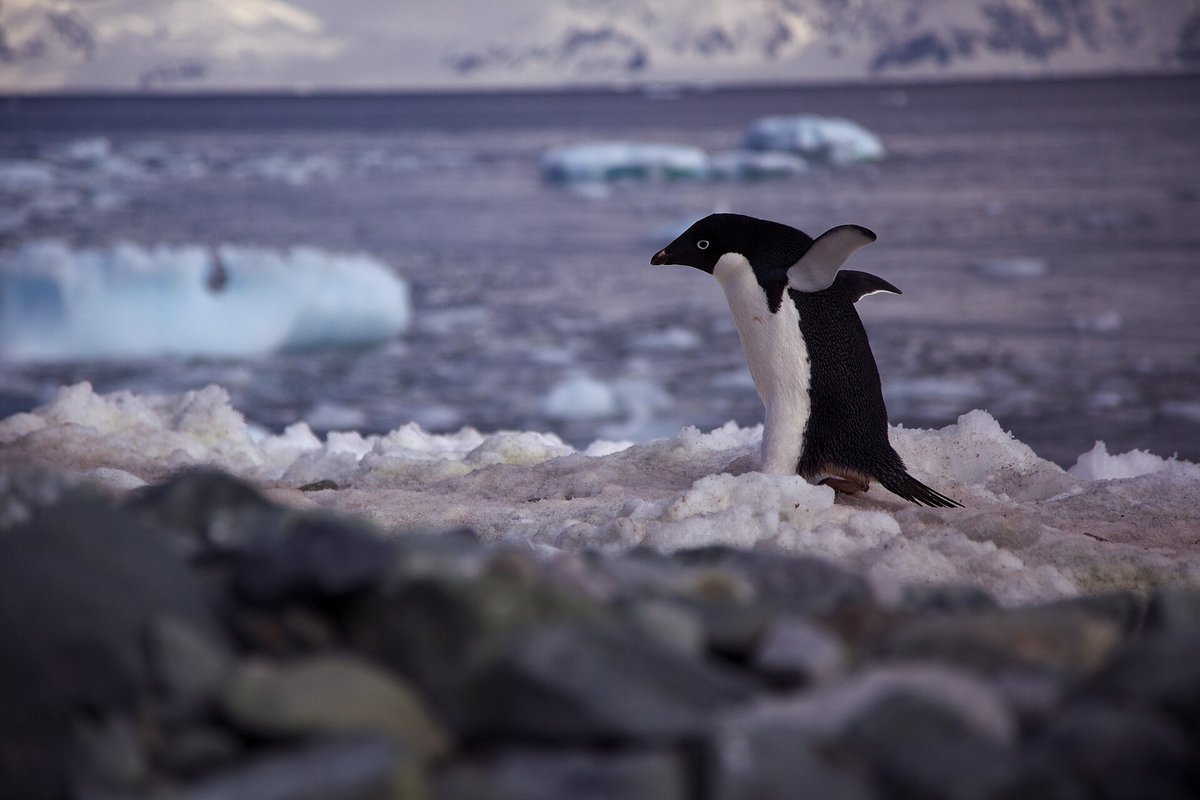
 Adélie Penguin Highway — Ross Sea Antarctica
Cape Royds, Antarctica, AQ