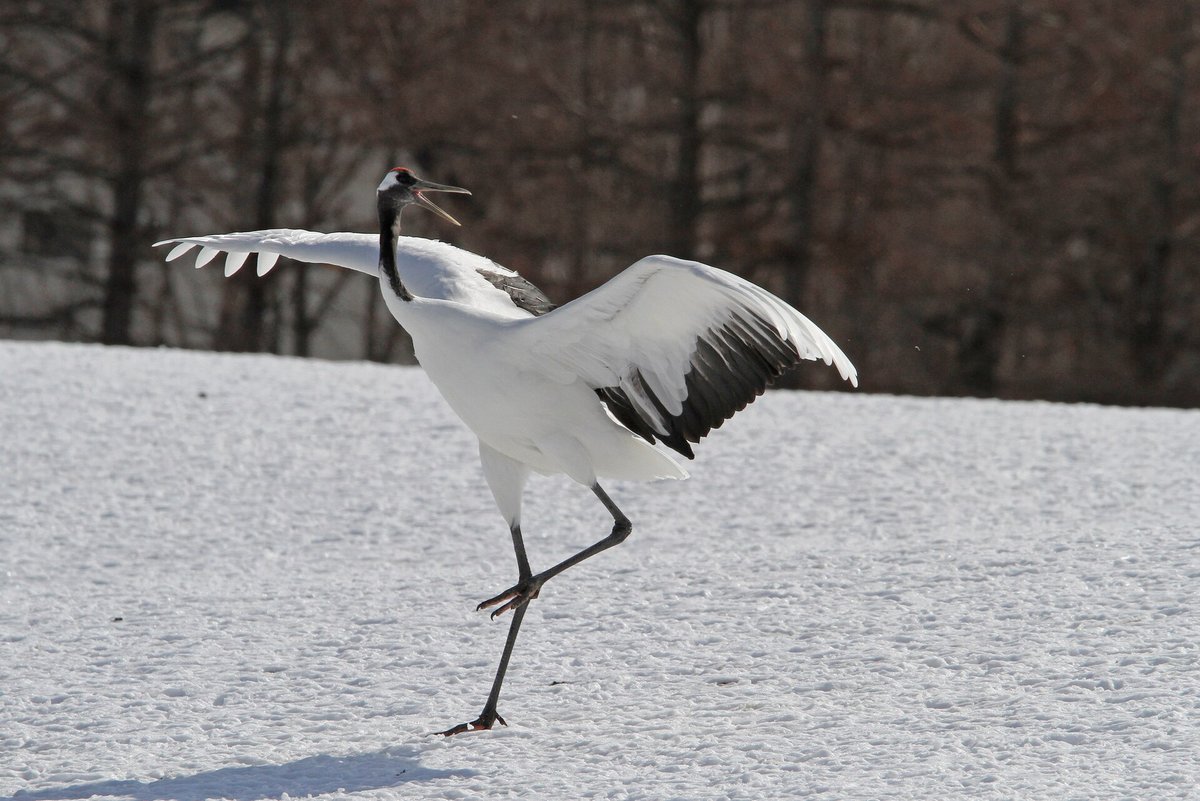
Red-Crowned Crane Winter Dance — Hokkaido Japan
The red-crowned crane (Grus japonensis) — the world's second rarest crane at 2,750 individuals, Japan's symbol of longevity and good fortune — winters on Hokkaido's Kushiro Wetlands in groups that increase from November through February, performing their extraordinary courtship dances daily in the snow-covered fields of Tsurui and Akan. The dance — bowing, leaping, wing-spreading, and synchronised calling — is performed by pairs and non-mated individuals throughout winter, and the Tsurui-Ito Tancho Sanctuary's feeding station concentrates 200–300 cranes in the same field, their red-and-white plumage against the snow creating Japan's most iconic winter wildlife image. Photographed by every major Japanese wildlife photographer and internationalised by the Hokkaido tourism programme, the red-crowned crane dance is Japan's single most reproduced wildlife image — a cultural icon observable in genuine wildness.
About this spectacle
Standing in the snow-dusted fields of Tsurui on a Hokkaido winter morning, visitors witness one of the natural world's most visually arresting performances. Hundreds of red-crowned cranes — brilliant white with jet-black necks and vivid red crowns — gather at the Tsurui-Ito Tancho Sanctuary feeding station, their breath misting in the frozen air. Pairs and lone birds bow deeply, leap skyward with wings fully spread, then land and call in thunderous unison, their cries carrying across the silent snowfields. The choreography is instinctive and unpredictable: a single crane's bow can trigger a cascade of dancing across the entire flock. At dawn, low-angled light turns the snow gold and the cranes' plumage luminous, creating conditions that have made this scene Japan's most iconic wildlife photograph. Groups of 200–300 birds concentrate in a single field, so the spectacle is dense and immediate rather than something glimpsed at distance. Cold temperatures are a given — expect well below freezing — but the stillness, the snow, and the sheer elegance of these birds make the discomfort entirely worthwhile.
When to go
Nov — Feb, peak Dec — Feb
Getting there
Nearest airport: KUH. Nearest city: Kushiro.
Booking options
Goyova doesn't process bookings directly. When you tap "Plan this trip" in the app, you'll see options from our partner providers — accommodation, tours, transport — with affiliate links where applicable. See our affiliate disclosure for details.
More like this.
 Peak season
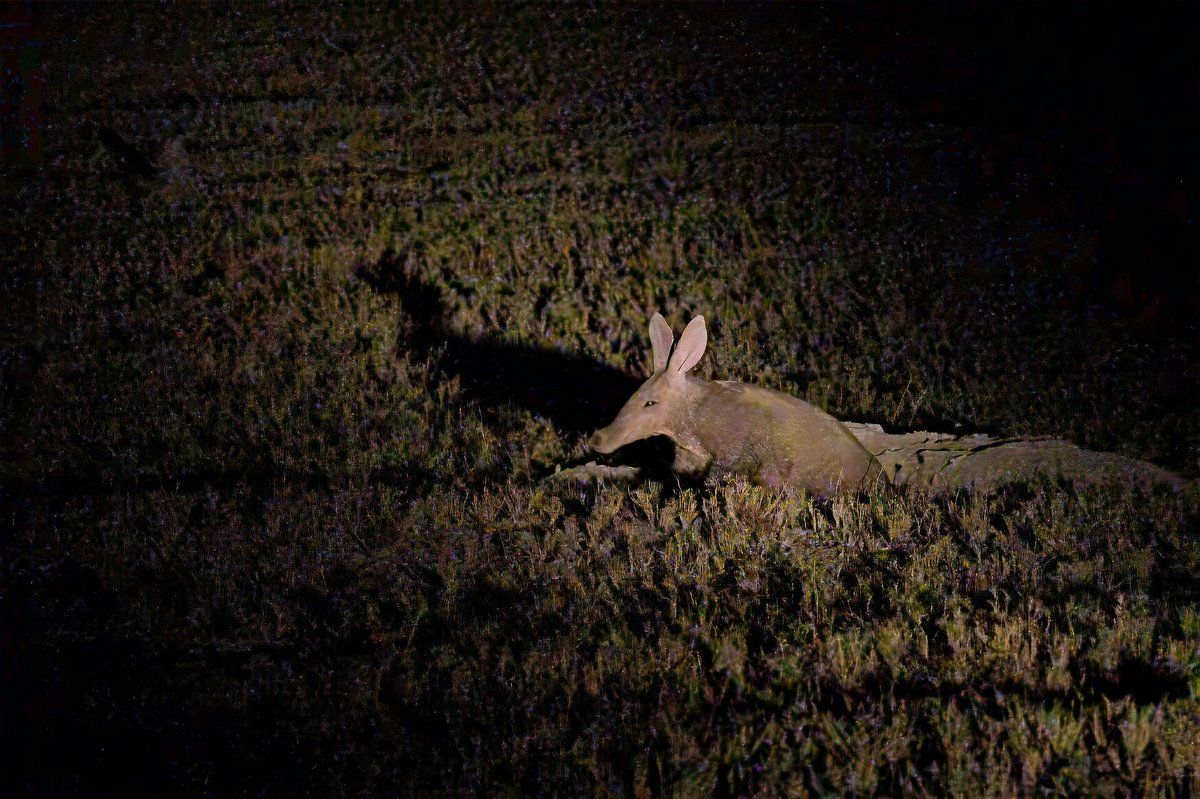
 Aardvark Night Foraging — Kalahari Botswana
Maun, Central District, BW
 Peak season
 Aardvark Night Foraging — Kalahari South Africa
Upington, Northern Cape, South Africa
 Returns Jan 2027
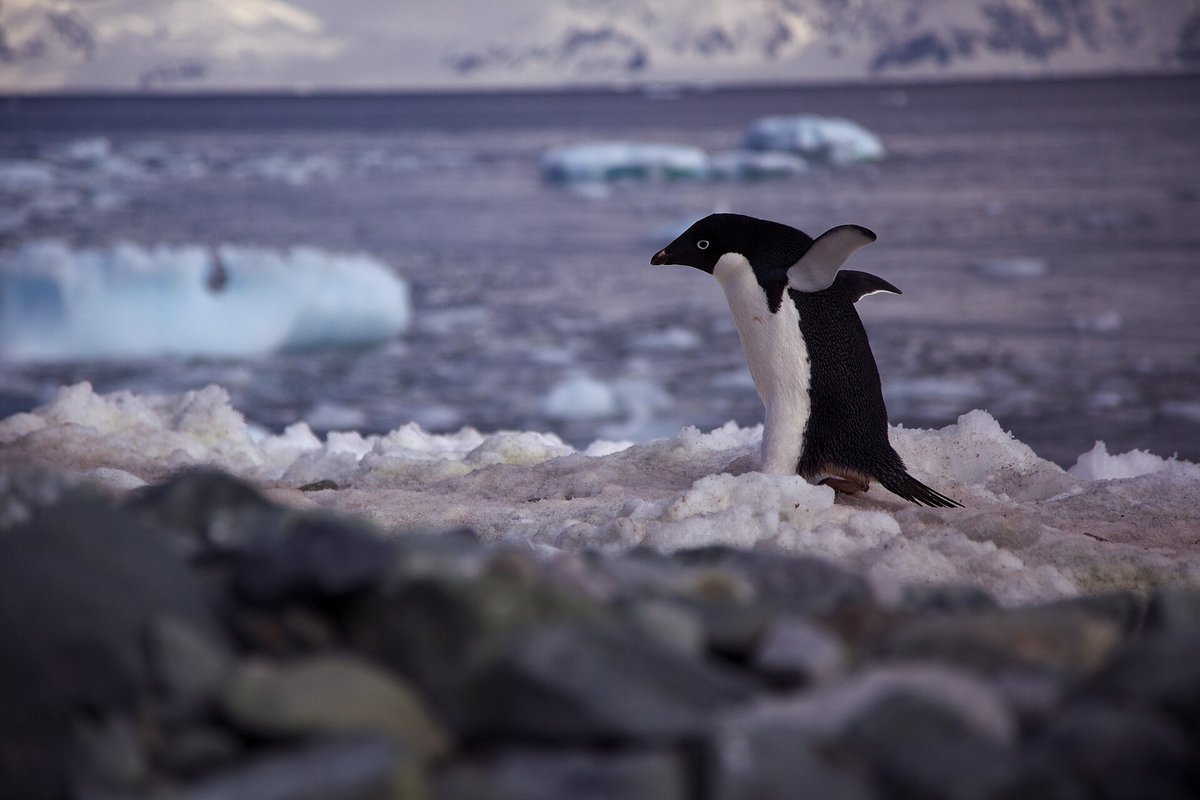
 Adélie Penguin Highway — Ross Sea Antarctica
Cape Royds, Antarctica, AQ