
Rafflesia Bloom — Borneo Kinabalu
Deep in the montane forest of Sabah's Crocker Range and the lower slopes of Mount Kinabalu, the Rafflesia — the world's largest single flower, reaching one metre in diameter — erupts periodically from the underground fungal body of its host vine in a bloom lasting just five to seven days before collapsing into a black putrid mass, creating one of botany's most extraordinary and time-limited wildlife encounters in a forest of exceptional tropical richness. The Rafflesia's flower — which has no stems, leaves, or roots of its own and lives entirely as a parasite on Tetrastigma vines — is a deep red with white spots and emits the powerful odour of rotting flesh to attract the carrion flies that pollinate it, and finding a freshly opened bloom in the Sabah forest creates one of botanical travel's most coveted encounters with a plant so specialised it has abandoned photosynthesis entirely. Local guides in the Rafflesia Information Centre near Tambunan and the Poring Hot Springs area monitor known plants and can direct visitors to blooms within hours of opening, making this one of the few Rafflesia sites with reliable logistics. The surrounding Kinabalu forest harbours 10 of Borneo's 11 hornbill species, 326 bird species, and the extraordinary Kinabalu giant red leech — a 30-centimetre predatory leech that hunts earthworms on the forest floor — creating a botanical and zoological experience of uniquely Bornean intensity around each Rafflesia encounter.
About this spectacle
In the montane forests of Sabah's Crocker Range and around Poring Hot Springs near Mount Kinabalu, a Rafflesia bloom is one of the rarest timed encounters in natural history. The flower — deep crimson with white warty spots, up to a metre across — erupts without warning from the root of its host Tetrastigma vine and persists for just five to seven days before collapsing into a putrid black mass. Standing over a freshly opened bloom, visitors are hit by a powerful odour of rotting flesh, the flower's strategy for attracting pollinating carrion flies. The flower itself is otherworldly: no leaves, no stems, no roots, just a parasitic structure that has abandoned all plant independence. Guides at the Rafflesia Information Centre near Tambunan monitor known buds and can direct visitors to open blooms within hours of unfurling. The surrounding rainforest adds its own intensity — hornbills arc overhead, over 326 bird species inhabit the area, and the Kinabalu giant red leech hunts on the forest floor below. No other botanical encounter on Earth compresses such biological improbability into so brief a window.
When to go
Year-round
Getting there
Nearest airport: BKI. Nearest city: Kota Kinabalu.
Booking options
Goyova doesn't process bookings directly. When you tap "Plan this trip" in the app, you'll see options from our partner providers — accommodation, tours, transport — with affiliate links where applicable. See our affiliate disclosure for details.
More like this.
 Peak season
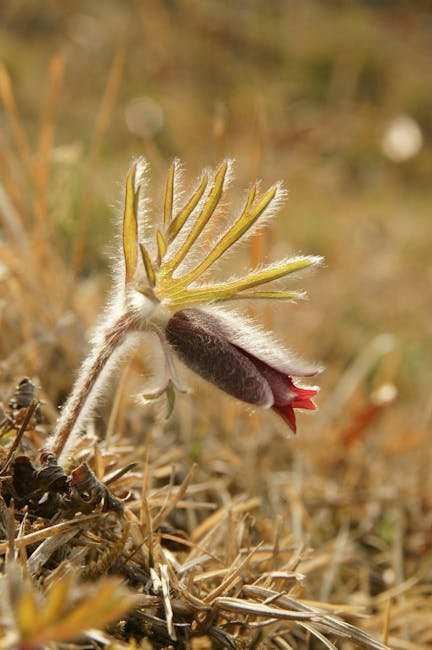
 Adonisröschen-Blüte Karlstadter Trockenrasen
Germany
 Peak season
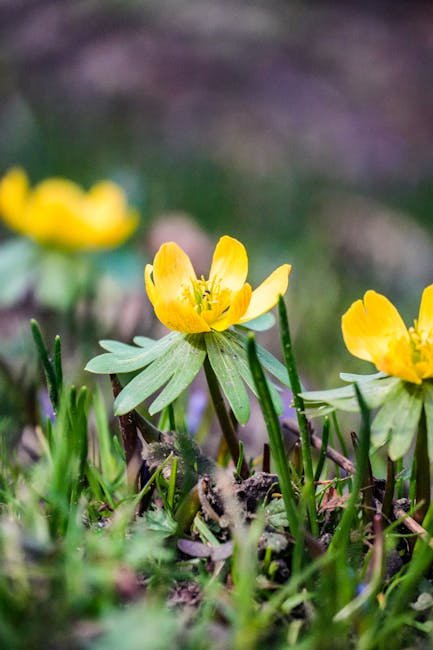
 Adonisröschen-Blüte Kyffhäuser
Germany
 Peak season
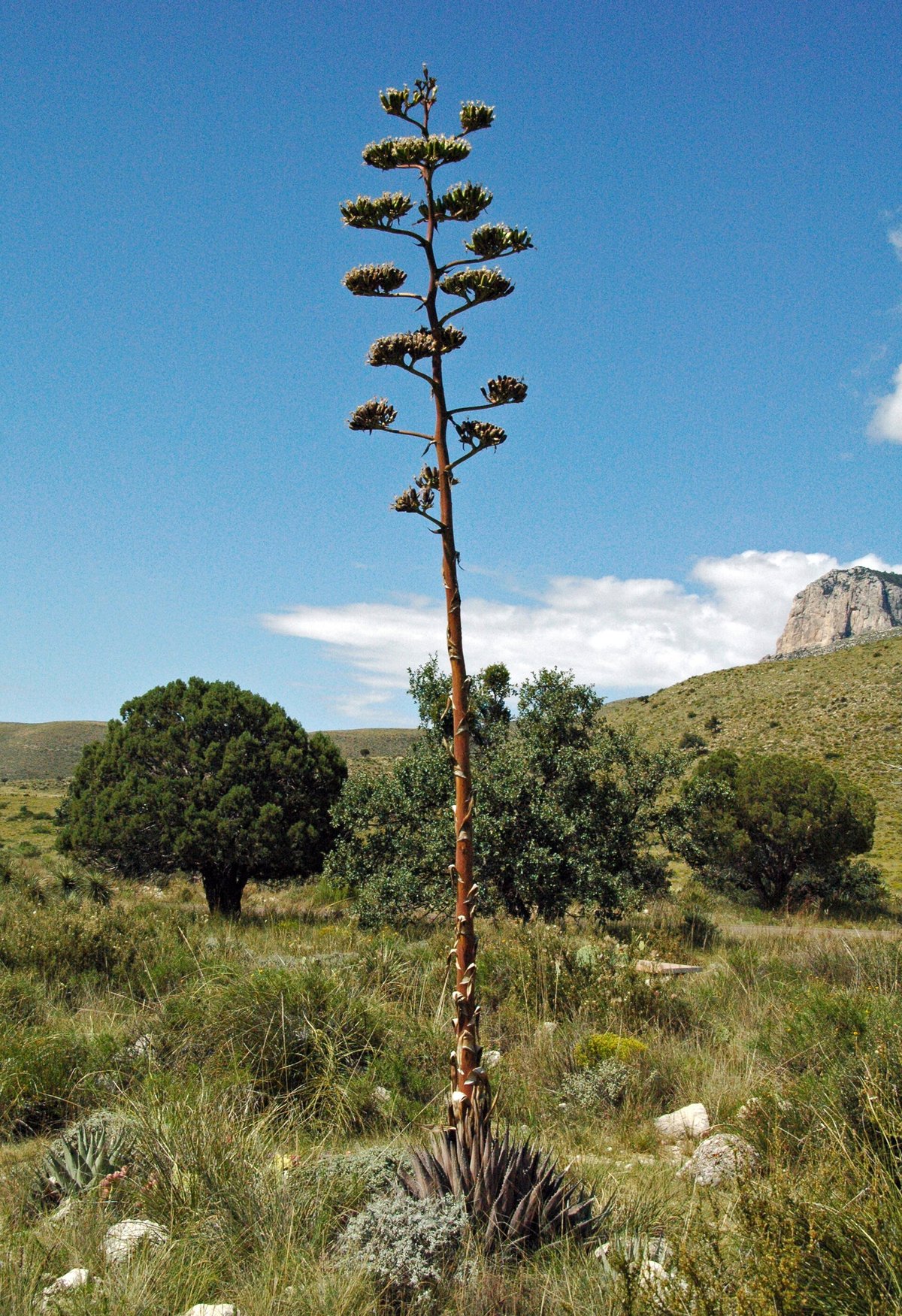
 Agave Century Plant Mass Bloom — Oaxaca Mexico
Oaxaca City, Oaxaca, Mexico