
Quetzal Season — Monteverde Cloud Forest
Each February through April, the resplendent quetzal — the sacred bird of the Maya and the most spectacularly beautiful bird in the Americas — descends to the middle-elevation cloud forests of Monteverde and the Quetzal corridor of the Talamanca mountains in Costa Rica to feed on wild avocado fruits, creating the most reliable quetzal viewing window in Central America for a bird whose metre-long tail feathers, iridescent green plumage, and crimson breast were so valued by Mesoamerican civilisations that killing one was punishable by death. The male quetzal's tail streamers — formed by elongated upper tail covert feathers that cascade below the bird in flight like green silk ribbons — create a visual spectacle entirely without parallel in the bird world, and the sight of a male flying between fruiting trees in the mist of a cloud forest morning is one of wildlife travel's genuinely transcendent moments. Monteverde's cloud forest reserve protects the critical habitat at 1,600 to 1,800 metres where the wild avocados that quetzals depend on for breeding season nutrition grow in largest concentration, and guided dawn walks with local naturalists produce sightings on most mornings during the peak window. The cloud forest's own ecological richness — a biodiversity hotspot containing 2.5% of the world's species in a tiny area — creates a wildlife context of extraordinary depth around the quetzal encounter. The mist, the epiphyte-laden trees, and the quetzal's call create a forest atmosphere of near-mythological quality.
About this spectacle
Each February through April, the cloud forests of Monteverde fill with mist and the electric flash of resplendent quetzal plumage. Male quetzals descend to middle-elevation forest — around 1,600 to 1,800 metres — to feed on wild avocado fruits, and their metre-long tail streamers trail behind them like green silk ribbons as they arc between fruiting trees. Dawn walks with local naturalist guides produce sightings on most mornings during peak season: the bird perches momentarily in an avocado tree, its crimson breast and iridescent green back catching whatever light filters through the cloud canopy, then launches into a looping flight that makes the tail feathers billow and ripple. The forest itself amplifies the experience — epiphyte-draped branches drip with moisture, howler monkeys call in the distance, and hundreds of other species share the understorey. The quetzal's own hollow, resonant call often precedes a sighting. No photograph fully captures the movement of those tail streamers in flight, and no description quite prepares a visitor for the moment one appears. This is widely considered one of the most emotionally affecting wildlife encounters available anywhere in Central America.
When to go
Jan — Dec, peak Feb — Apr
Getting there
Nearest airport: SJO. Nearest city: San José.
Booking options
Goyova doesn't process bookings directly. When you tap "Plan this trip" in the app, you'll see options from our partner providers — accommodation, tours, transport — with affiliate links where applicable. See our affiliate disclosure for details.
More like this.
 Peak season
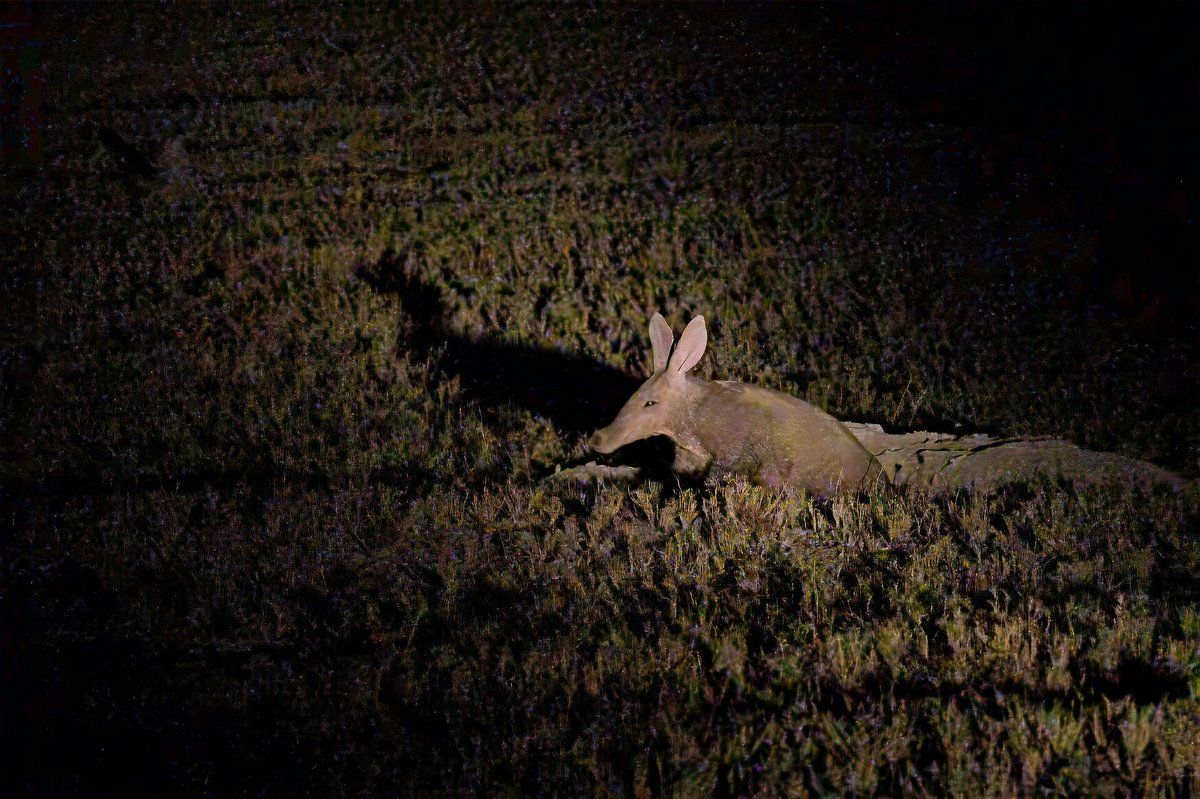
 Aardvark Night Foraging — Kalahari Botswana
Maun, Central District, BW
 Peak season
 Aardvark Night Foraging — Kalahari South Africa
Upington, Northern Cape, South Africa
 Returns Jan 2027
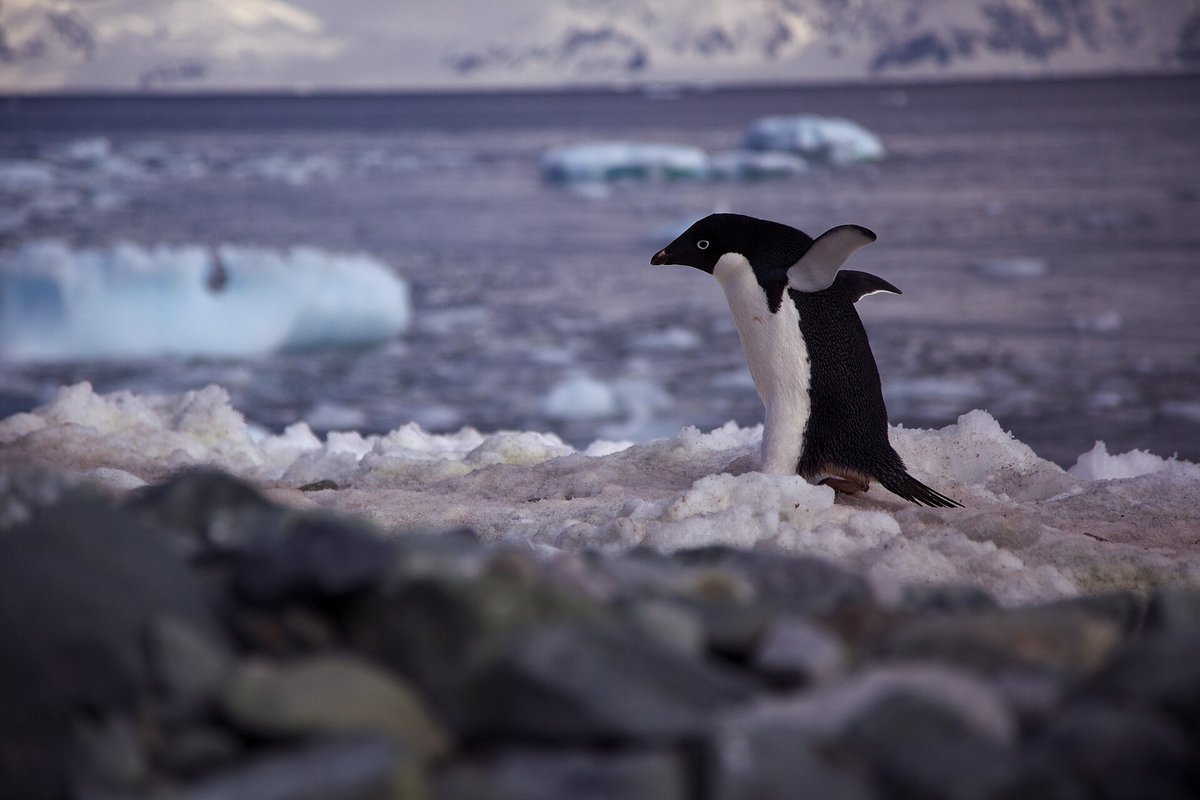
 Adélie Penguin Highway — Ross Sea Antarctica
Cape Royds, Antarctica, AQ