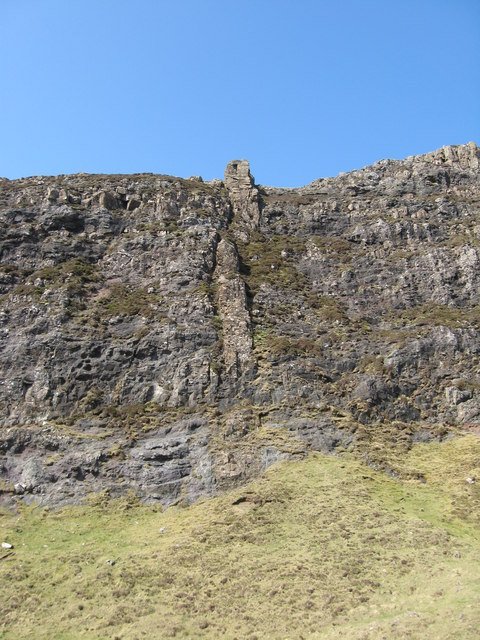
Primrose Cliffs — South Devon Coast
Each March and April, the sheltered south-facing coastal cliffs between Dartmouth and Salcombe in South Devon produce one of England's most exuberant wild primrose displays, as the ancient cliff-top grasslands and coombes descending to the sea turn uniformly pale yellow with millions of wild primroses blooming simultaneously in a display of spring abundance that the mild coastal microclimate allows to begin weeks earlier than anywhere inland. The South Devon primrose cliffs are accompanied by early purple orchids, violets, and celandines creating a mixed spring wildflower community of considerable botanical richness on the South West Coast Path, while the sea below glitters in early spring light and fulmars patrol the cliff face at eye level. Walking the coast path above Slapton Sands or along the South Hams cliffs in late March, with every sheltered bank yellow with primroses and the air warm enough for the first butterflies of the year, is one of England's finest early-spring walks. The combination of the primrose display, the dramatic South Devon coastal scenery, and the accessibility of the South West Coast Path creates a botany and walking experience that requires no specialist knowledge. Choughs — now recolonising the southwest — are occasionally seen on the same cliff-top turf.
About this spectacle
Walking the South West Coast Path between Dartmouth and Salcombe in March and April, visitors encounter sheltered south-facing cliffs where millions of wild primroses bloom simultaneously, turning every bank and coombe a uniform pale yellow. The mild coastal microclimate pushes the display weeks ahead of inland sites, so spring feels startlingly early here. Early purple orchids, violets, and celandines weave through the primrose carpets, adding flashes of deeper colour to the botanical tapestry. Below, the sea glitters in low spring light, and fulmars quarter the cliff face at eye level — close enough to study in detail. On warm afternoons the first butterflies of the year drift along the path. The accessible, well-maintained coast path means the spectacle is available to walkers of all experience levels, with no specialist botanical knowledge required to appreciate the sheer density and colour of the display. Occasionally, choughs — recolonising the southwest — appear on the same cliff-top turf, adding a rare bird dimension to a predominantly floral experience.
When to go
Jan — Dec, peak Mar — Apr
Getting there
Nearest airport: EXT. Nearest city: Plymouth.
Booking options
Goyova doesn't process bookings directly. When you tap "Plan this trip" in the app, you'll see options from our partner providers — accommodation, tours, transport — with affiliate links where applicable. See our affiliate disclosure for details.
More like this.
 Peak season
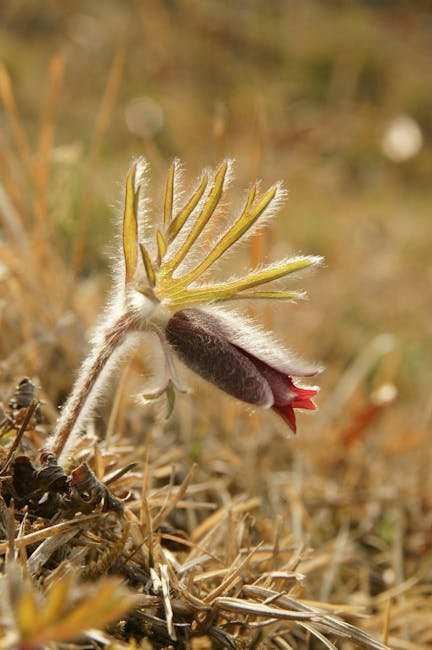
 Adonisröschen-Blüte Karlstadter Trockenrasen
Germany
 Peak season
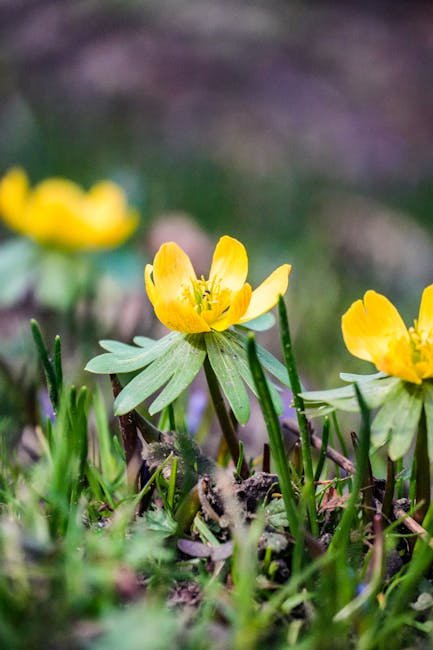
 Adonisröschen-Blüte Kyffhäuser
Germany
 Peak season
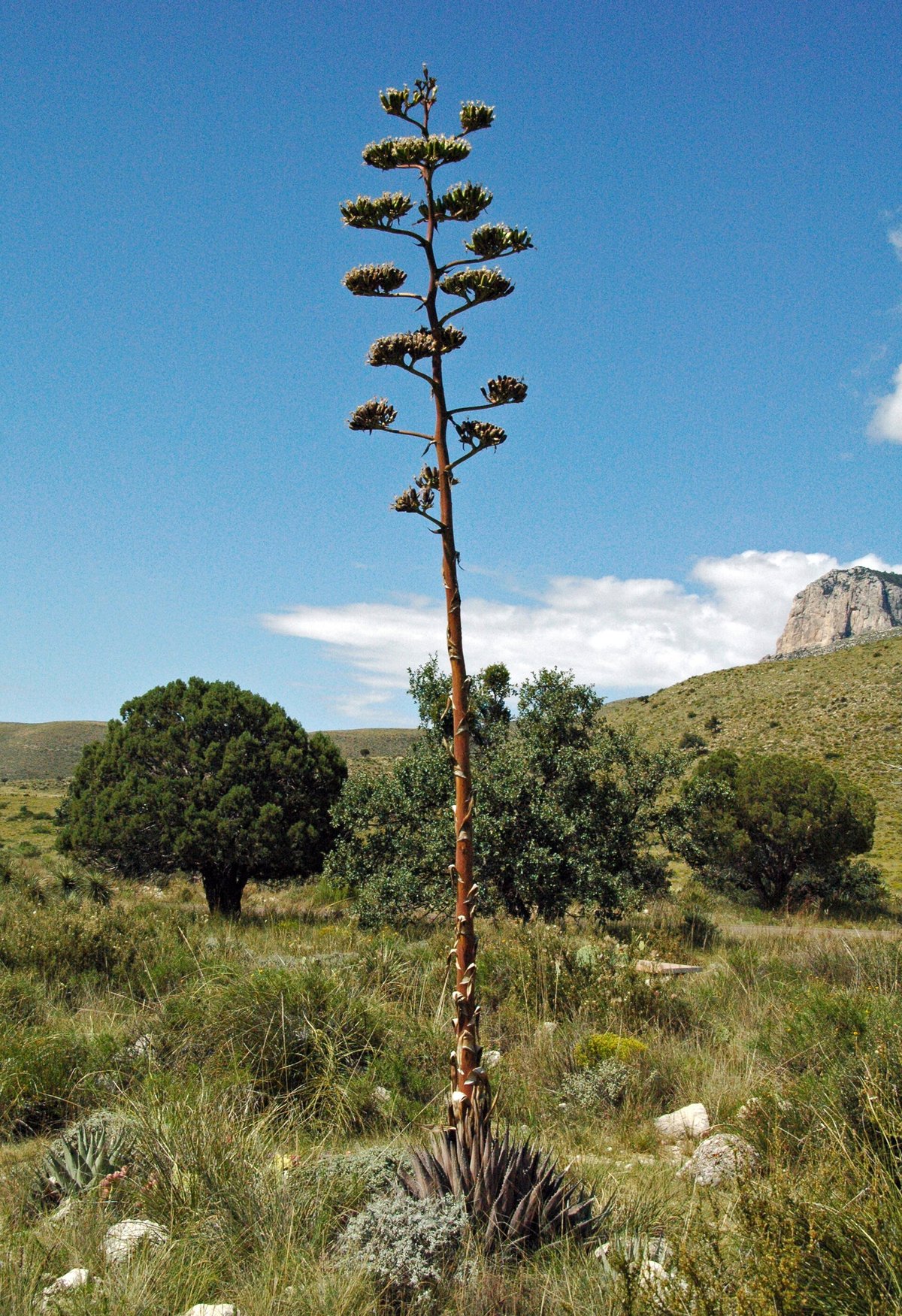
 Agave Century Plant Mass Bloom — Oaxaca Mexico
Oaxaca City, Oaxaca, Mexico