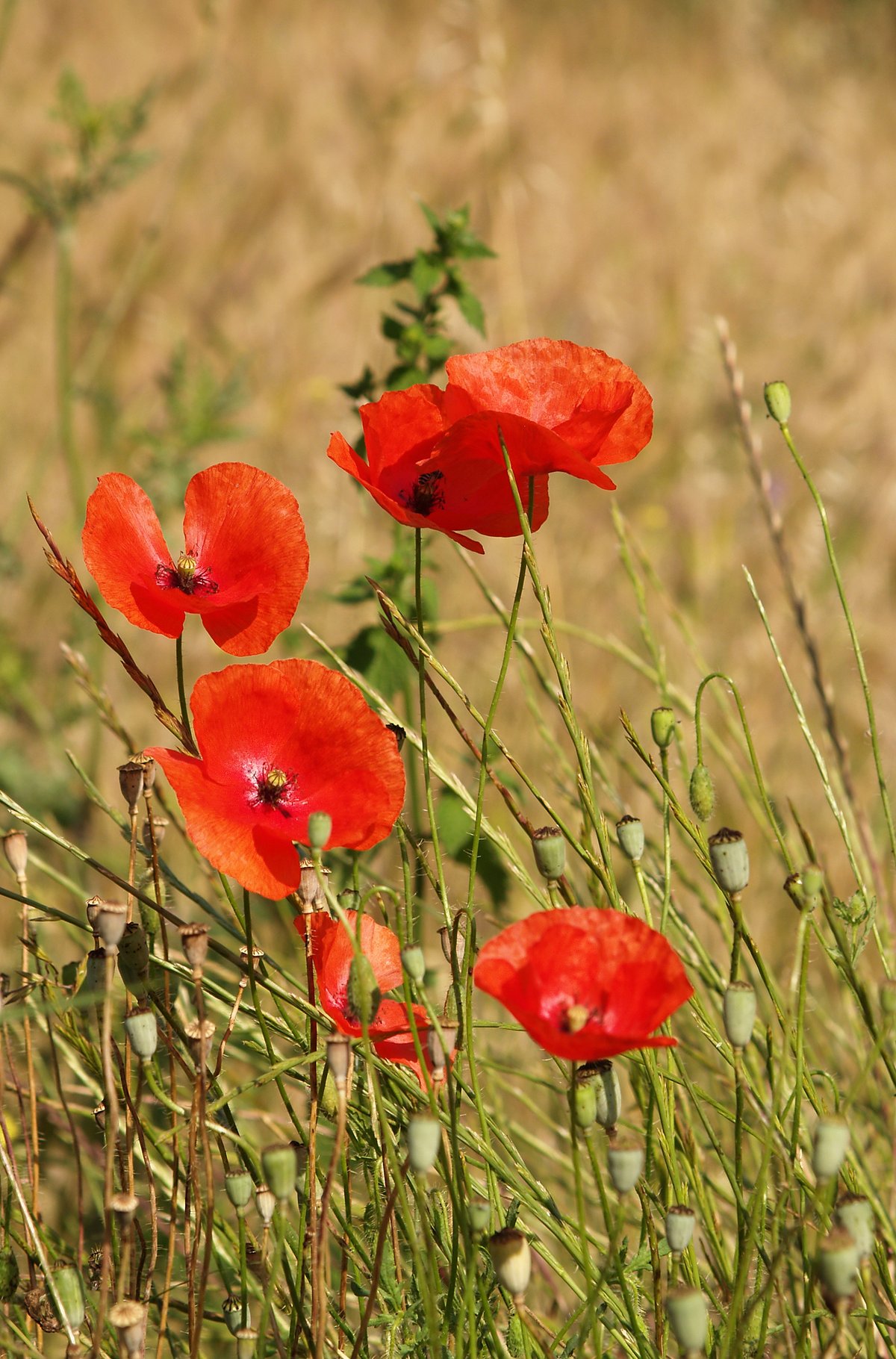
Poppy Field Bloom — Castelluccio di Norcia
Each June, the Piano Grande — a vast glacial plain enclosed by the Sibillini mountains of Umbria at 1,300 metres elevation — undergoes one of Italy's most spectacular wildflower displays as lentil fields, meadows, and mountain slopes simultaneously erupt in poppies, cornflowers, borage, and wild narcissus in a polychrome display spread across 15 square kilometres of flat mountain plain that creates one of the most photogenic wildflower landscapes in Europe. The fioriture — flowering — of the Piano Grande is timed entirely by the mountain weather, appearing suddenly after the spring snow melts and lasting two to three weeks in a display whose exact peak is announced by the village of Castelluccio perched on a hill above the plain, the medieval village silhouetted against the coloured fields below creating the defining image of the Umbrian Apennines. The plain's colour composition changes daily as different species peak and fade — starting with yellow and white, building to red poppy dominance, and finishing in blue borage — producing a different photographic subject each morning. The surrounding Monti Sibillini peaks, still snow-capped in early June, complete a mountain-plain-wildflower panorama of considerable drama. The flowers are best before the village awakes, when the plain is silent and the light is horizontal.
About this spectacle
Standing on the rim of the Piano Grande at dawn, you face a 15-square-kilometre canvas of colour at 1,300 metres elevation, ringed by the snow-dusted peaks of the Monti Sibillini. The display unfolds in waves: first yellows and whites, then an overwhelming surge of red poppies, finally dissolving into blue borage. Cornflowers and wild narcissus add further texture. The air is cold and still in early morning, the light raking across completely flat terrain and catching each flower head individually. Above the plain, the medieval hill-village of Castelluccio sits silhouetted on its promontory, its rooftops and church tower framed against the coloured fields below — the defining composition of the fioriture. The silence before the village wakes is profound; only wind and insect sound. Because each species peaks and recedes independently, returning on consecutive mornings reveals a genuinely different scene. The surrounding mountain amphitheatre closes the horizon on all sides, producing an enclosed, theatrical quality unlike open lowland meadows.
When to go
May — Oct, peak Jun
Getting there
Nearest airport: FCO. Nearest city: Perugia.
Booking options
Goyova doesn't process bookings directly. When you tap "Plan this trip" in the app, you'll see options from our partner providers — accommodation, tours, transport — with affiliate links where applicable. See our affiliate disclosure for details.
More like this.
 Peak season
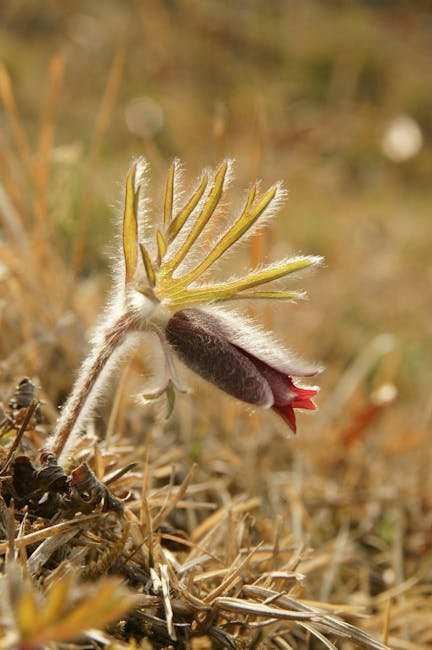
 Adonisröschen-Blüte Karlstadter Trockenrasen
Germany
 Peak season
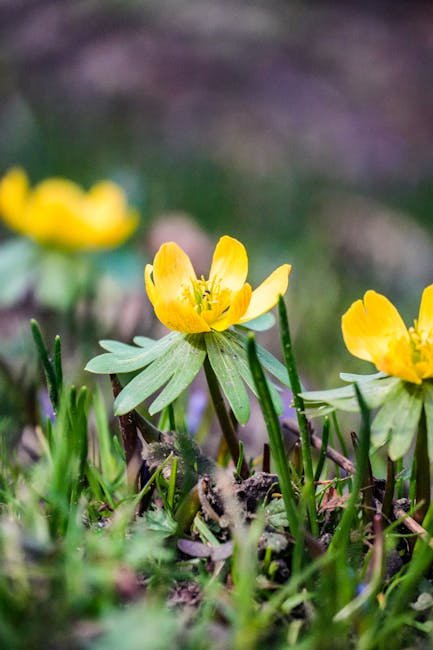
 Adonisröschen-Blüte Kyffhäuser
Germany
 Peak season
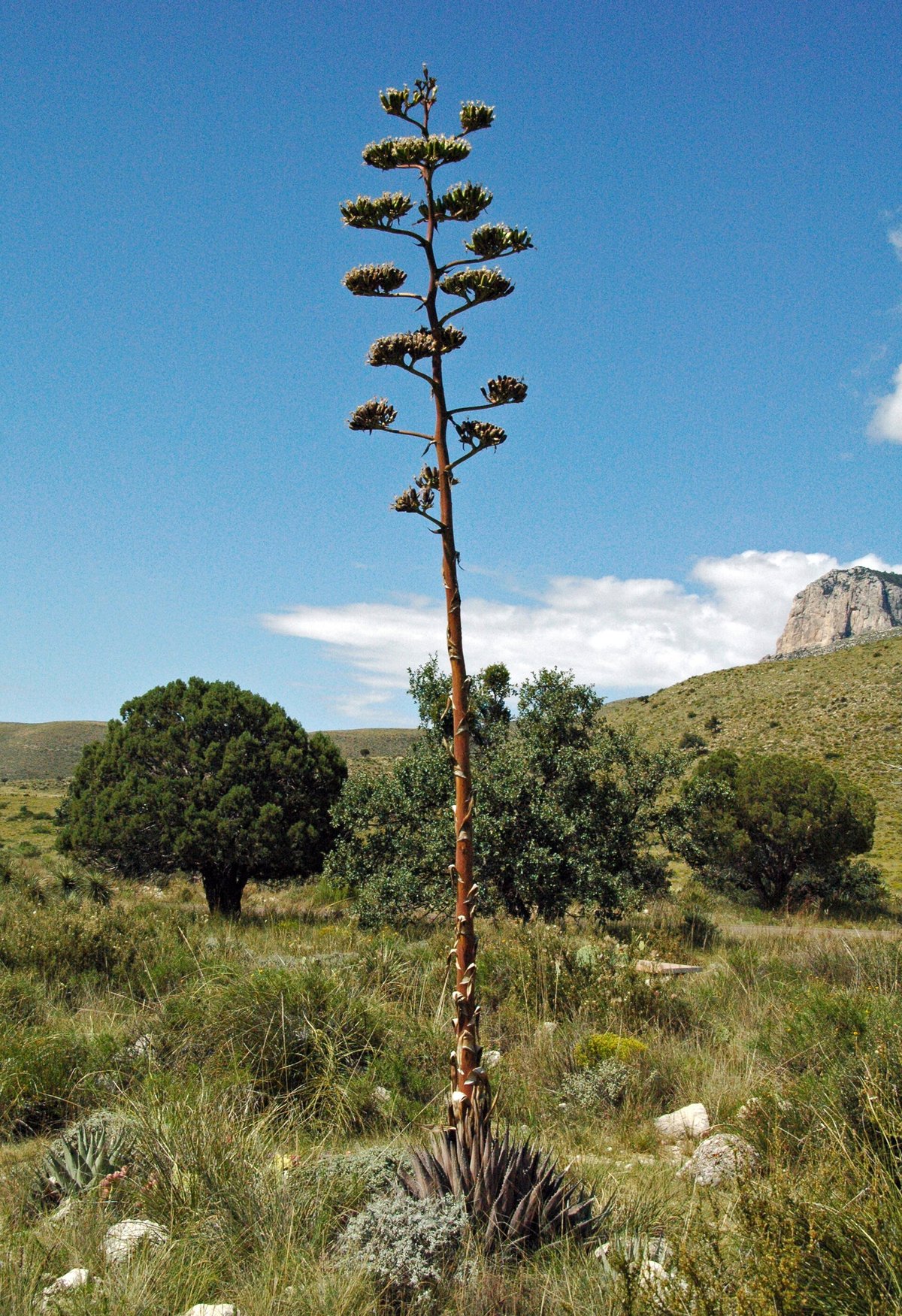
 Agave Century Plant Mass Bloom — Oaxaca Mexico
Oaxaca City, Oaxaca, Mexico