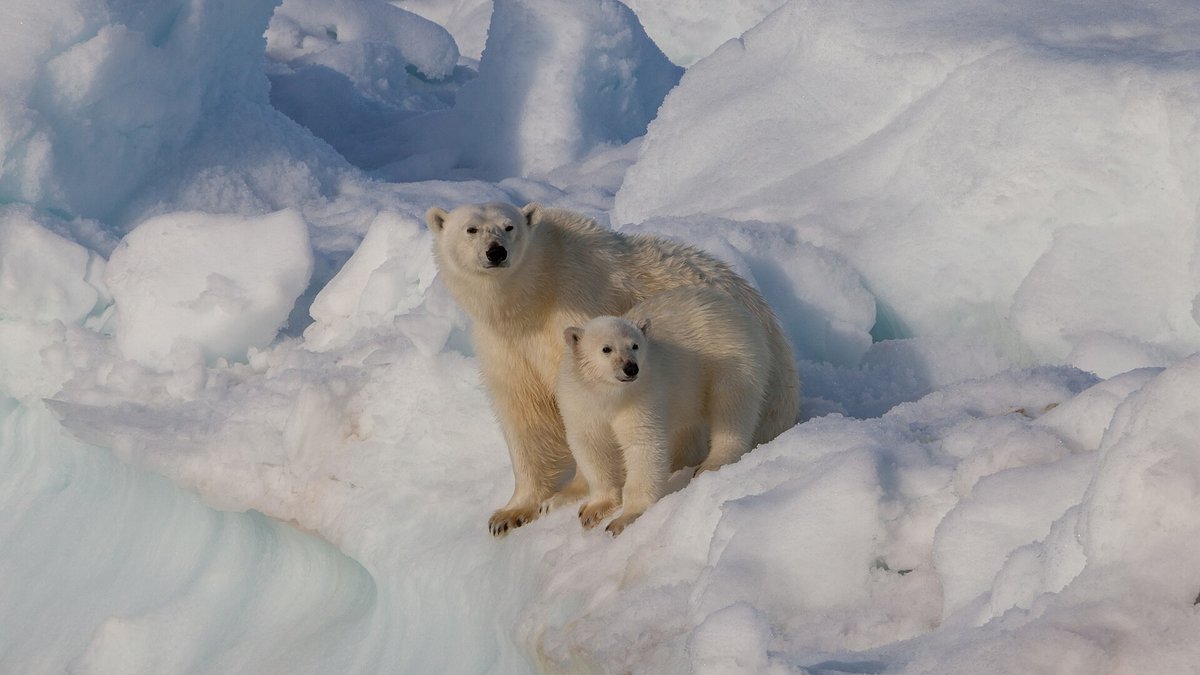
Polar Bear Spring Emergence — Wapusk Canada
The polar bear (Ursus maritimus) spring emergence at Wapusk National Park — from late February through April, when mother bears with cubs emerge from their maternity dens for the first time since October, the cubs (born in January at 500g) taking their first outdoor steps in the subarctic tundra — creates one of the world's finest megafauna family encounter opportunities. The helicopter-supported small-group access from Churchill's polar bear tour companies positions observers at den sites at 100-metre respect distance, and the emerging family — the mother gaunt from 4 months' fasting but patient with the cubs' chaotic first steps, the cubs' extraordinary white colouring against the snow, and the cubs' first attempts at wrestling each other — creates one of the conservation world's most emotionally powerful encounters. The morning light on the snow tundra, the cubs' visible amazement at the world, and the knowledge that these are the most vulnerable days of the cubs' lives gives the observation a watching quality quite unlike any other large mammal encounter.
About this spectacle
From late February through April, Wapusk National Park's frozen tundra hosts one of nature's most intimate megafauna moments: polar bear mothers and their newborn cubs emerging from maternity dens for the first time. The cubs, born in January at just 500 grams, stumble and tumble through knee-deep snow in extraordinary white coats, their clumsy wrestling matches and wide-eyed curiosity contrasting with their mother's gaunt, patient watchfulness after four months of fasting. Access is by helicopter with small-group tour operators from Churchill, positioning observers at a 100-metre respect distance. The subarctic light — especially the low-angled morning sun — floods across the snow-covered tundra, silhouetting the family against a vast white expanse. The silence, the cold, and the acute awareness that these cubs are at their most fragile point of life give the encounter a gravity and emotional weight that few wildlife experiences can match. This is observational wildlife travel at its most profound.
When to go
Feb — Apr
Getting there
Nearest airport: YYQ. Nearest city: Churchill.
Booking options
Goyova doesn't process bookings directly. When you tap "Plan this trip" in the app, you'll see options from our partner providers — accommodation, tours, transport — with affiliate links where applicable. See our affiliate disclosure for details.
More like this.
 Peak season
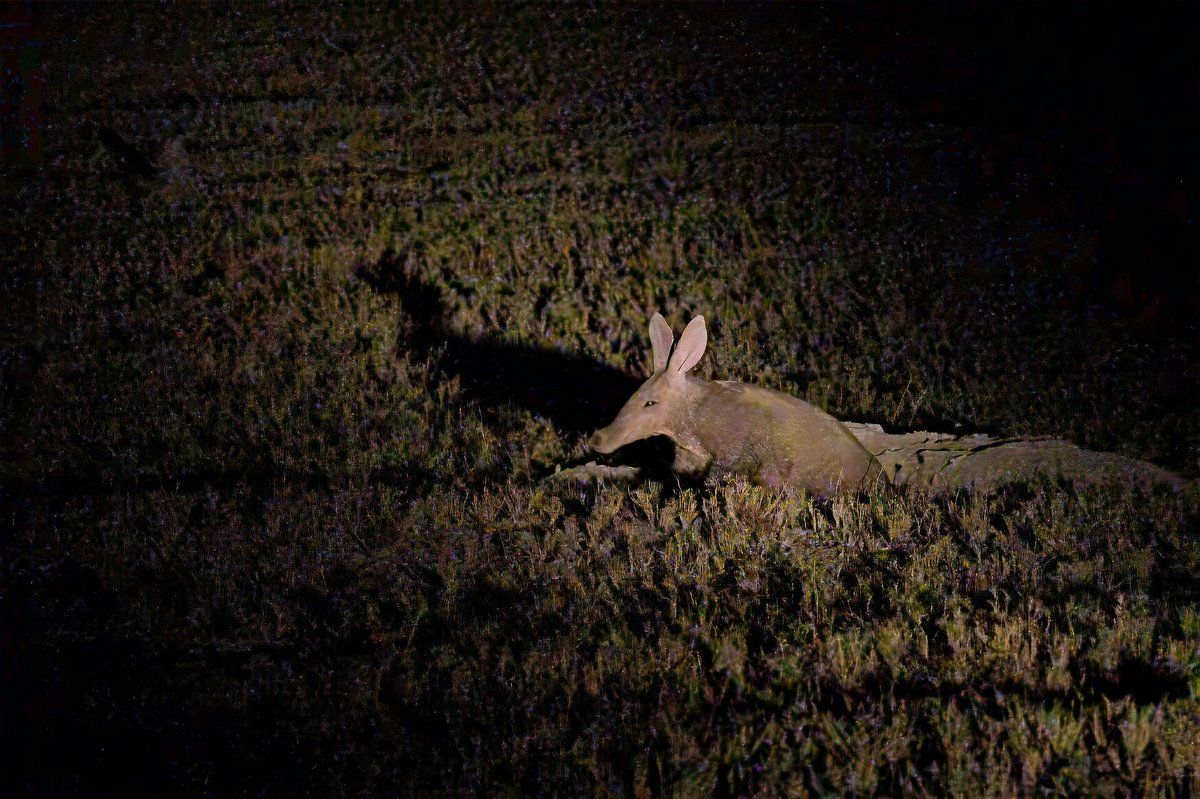
 Aardvark Night Foraging — Kalahari Botswana
Maun, Central District, BW
 Peak season
 Aardvark Night Foraging — Kalahari South Africa
Upington, Northern Cape, South Africa
 Returns Jan 2027
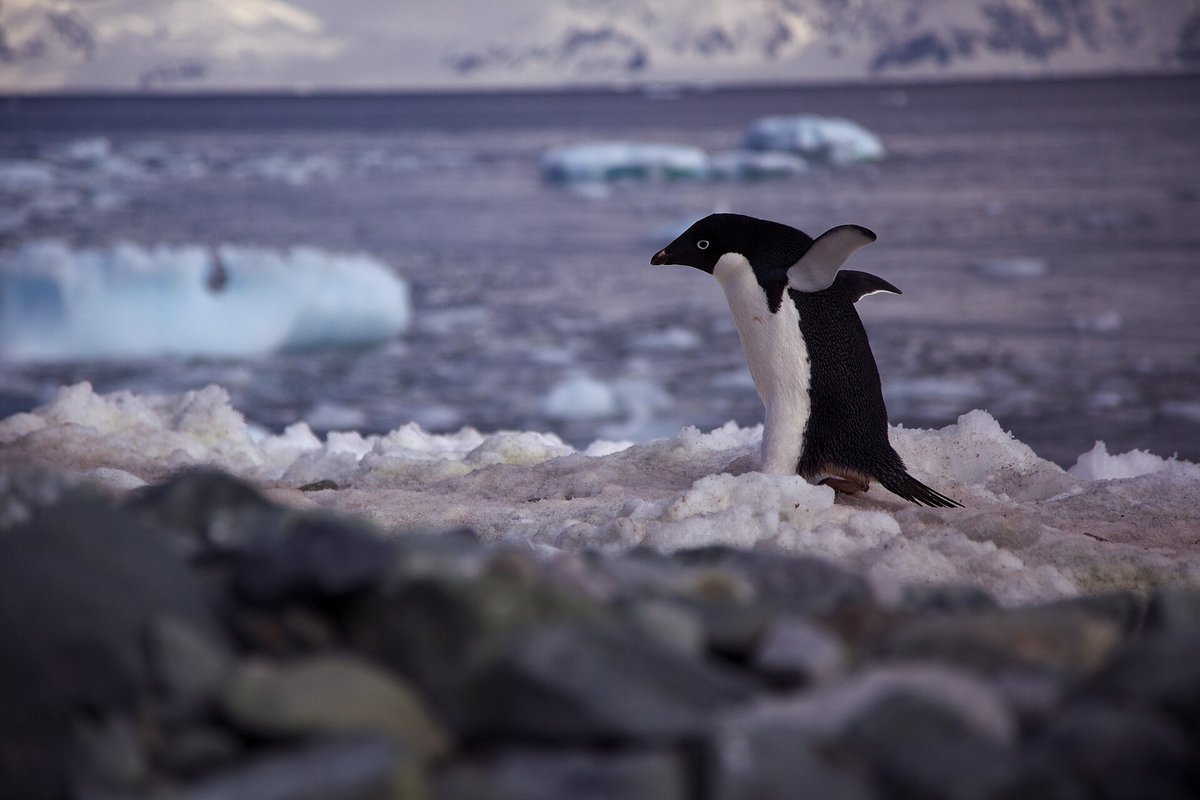
 Adélie Penguin Highway — Ross Sea Antarctica
Cape Royds, Antarctica, AQ