
Painted Stork Nesting — Keoladeo Ghana India
Keoladeo Ghana National Park near Bharatpur — a UNESCO World Heritage Site, the world's finest bird sanctuary in a former royal hunting reserve — concentrates India's largest painted stork (Mycteria leucocephala) nesting colony from July through November, with 5,000+ pairs nesting in the kadamba and babul trees that line the park's shallow wetland. The painted stork's extraordinary appearance — yellow bill, pink-flushed tertial feathers, and bare pink-orange facial skin — combined with the colony's sheer density (5+ nests per tree) and the associated nesting spoonbills, night herons, and little cormorants creates one of Asia's most spectacular waterbird nesting aggregations. The bicycle rickshaw tours of the park's flat paths provide silent access to nest trees at 10-metre range, and the combination of the nesting activity, the Indian winter birds (Siberian cranes historically, now absent, but still bar-headed geese, common cranes, and sarus cranes in the surrounding fields) makes Keoladeo India's finest single-site birding destination.
About this spectacle
Standing among the kadamba and babul trees of Keoladeo Ghana, visitors are enveloped in a wall of sound and motion: thousands of painted storks clatter their bills, jostle for nest space, and ferry nest material overhead, their pale bodies flushed pink at the wings and lit by the early morning light. At ten metres' range from a silent bicycle rickshaw, the colony's detail is extraordinary — the waxy yellow bill, the bare orange-pink face, and the rose-tinged tertials are visible without binoculars. Every tree carries five or more platform nests stacked into a teetering apartment block, shared with open-billed storks, Eurasian spoonbills, black-crowned night herons, and little cormorants. Chicks beg loudly from July onward; by October the canopy seethes with fledglings testing their wings. Beyond the nesting trees, sarus cranes stalk the shallows and bar-headed geese graze the surrounding fields, making every early-morning circuit of the flat, reed-lined paths a fresh encounter with spectacle.
When to go
Jul — Mar, peak Jul — Nov
Getting there
Nearest airport: AGR. Nearest city: Bharatpur.
Booking options
Goyova doesn't process bookings directly. When you tap "Plan this trip" in the app, you'll see options from our partner providers — accommodation, tours, transport — with affiliate links where applicable. See our affiliate disclosure for details.
More like this.
 Peak season
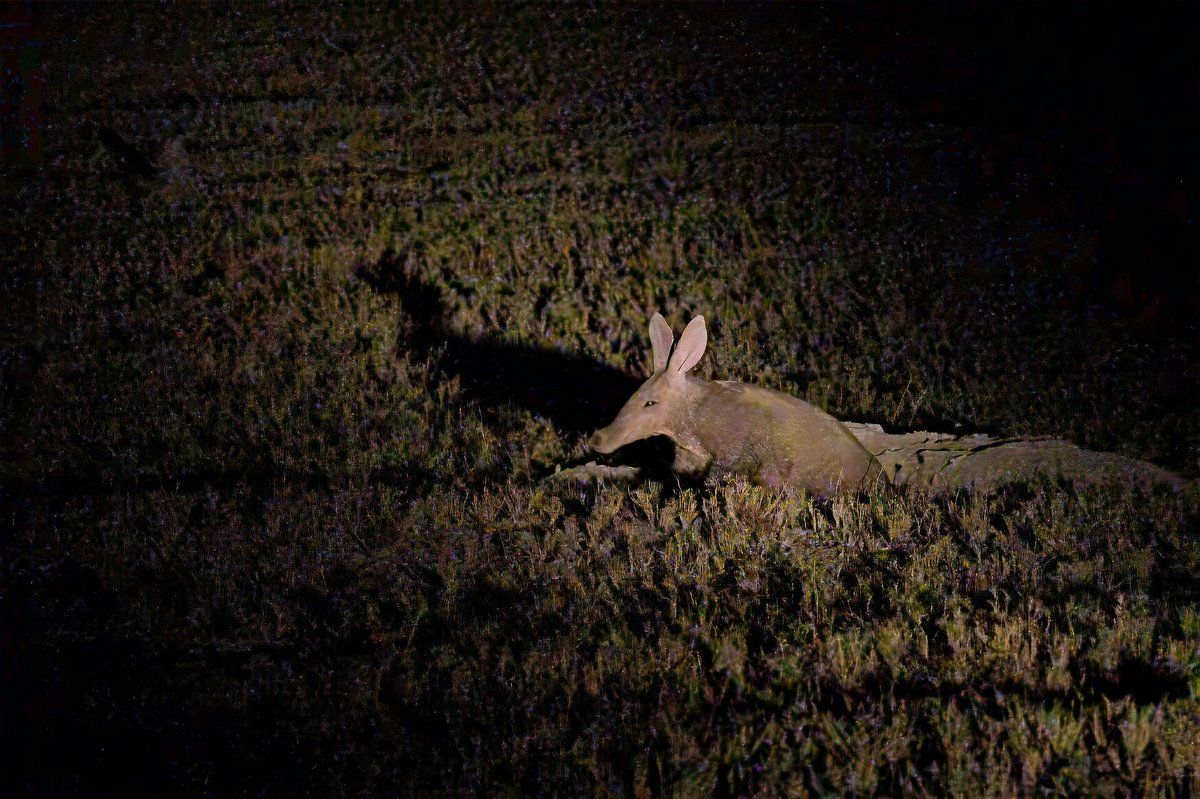
 Aardvark Night Foraging — Kalahari Botswana
Maun, Central District, BW
 Peak season
 Aardvark Night Foraging — Kalahari South Africa
Upington, Northern Cape, South Africa
 Returns Jan 2027
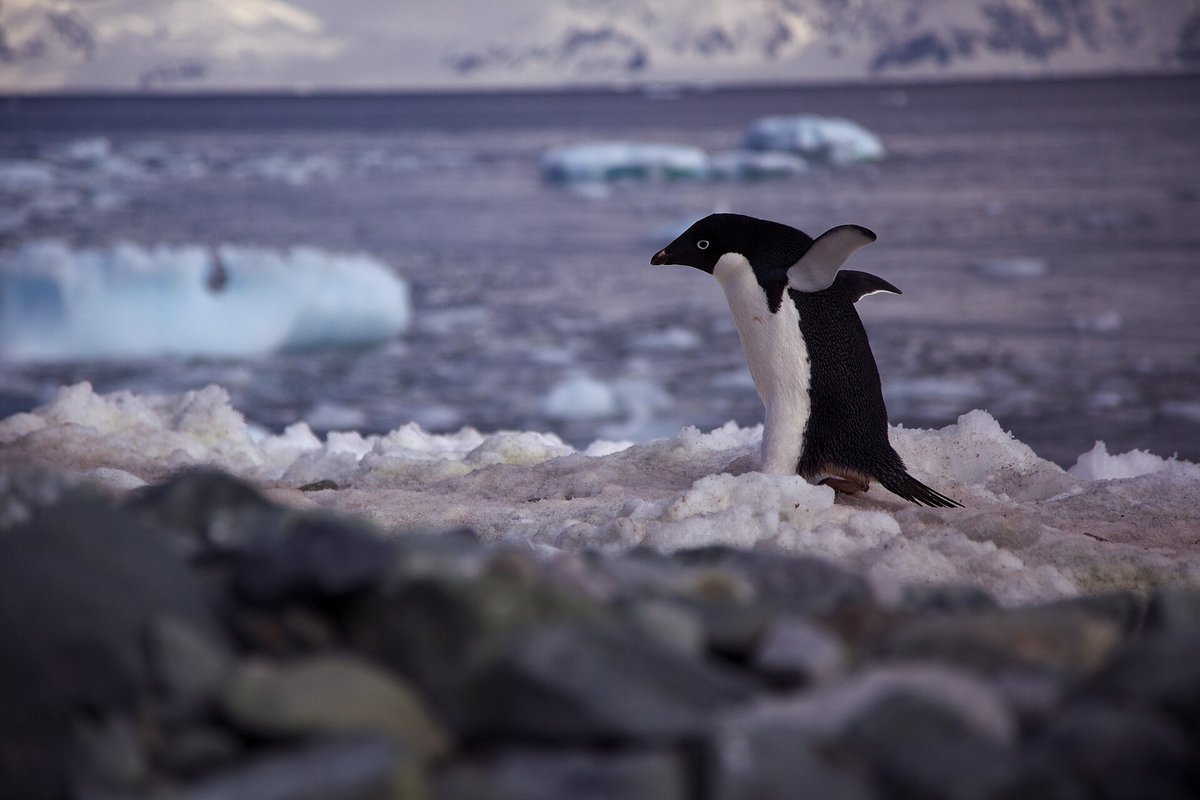
 Adélie Penguin Highway — Ross Sea Antarctica
Cape Royds, Antarctica, AQ