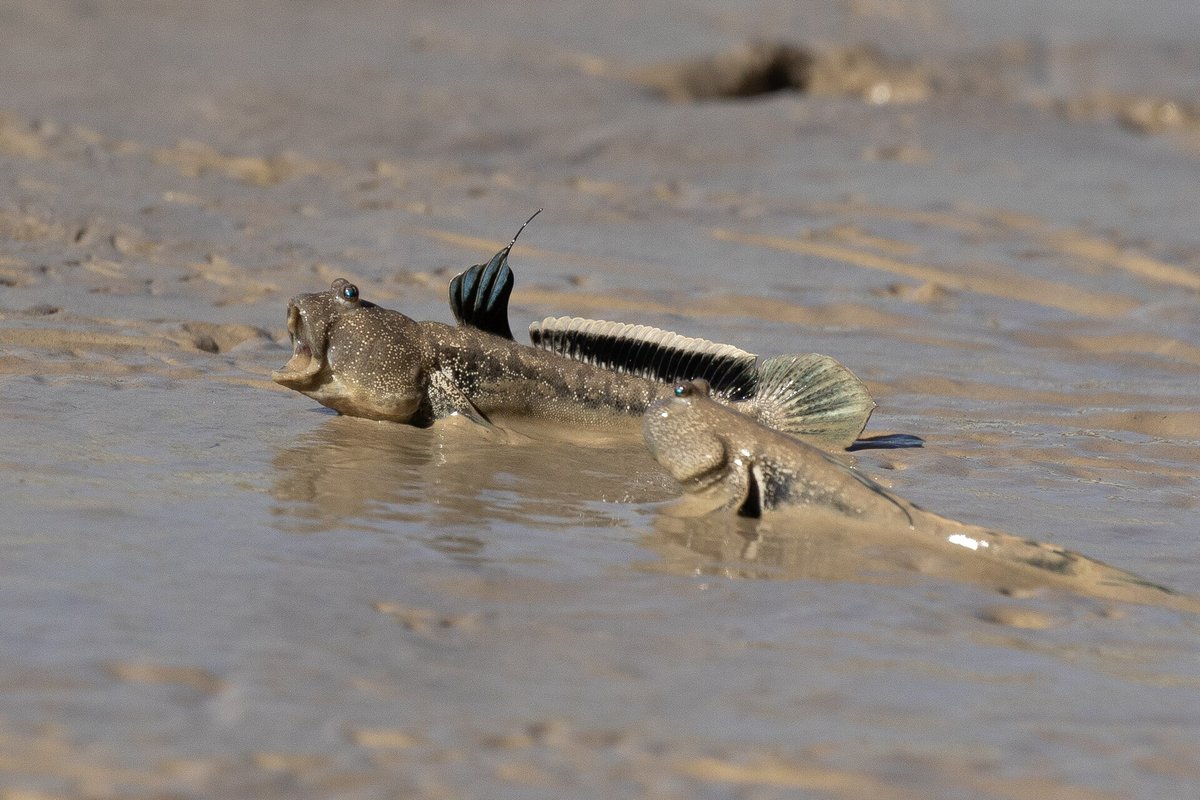
Mudskipper Display — Sundarbans Mangrove Bangladesh
The mudskipper (Boleophthalmus boddarti and Periophthalmus species) of the Sundarbans mangrove system are the world's most terrestrial fish — spending most of their time out of water, breathing atmospheric oxygen through their skin and gill chambers, climbing mangrove roots, and performing extraordinary courtship displays in which males excavate nest burrows and leap vertically up to 60 centimetres to attract females. The tidal mudflats exposed at low tide in the Sundarbans support mudskipper populations of hundreds per hectare, and a river journey at low tide on the Bangladesh side of the Sundarbans reveals a mudflat surface animated by hundreds of simultaneously displaying and feeding mudskippers, their pectoral-fin 'crutch-walking' gait and the synchronised courtship leaping creating one of the mangrove ecosystem's most visually arresting scenes. The Sundarbans' tiger population adds a background of wildness to what would otherwise be purely a fish-behaviour observation.
About this spectacle
At low tide on the Bangladesh side of the Sundarbans, vast mudflats emerge from the waterways and come alive with mudskippers. Boleophthalmus boddarti and Periophthalmus species emerge by the hundreds per hectare, their bulging eyes swivelling independently as they crutch-walk across the glistening mud on stiffened pectoral fins. Males excavate burrow entrances and then launch themselves vertically — up to 60 centimetres into the humid mangrove air — in synchronised courtship leaps that ripple across the flat in waves. The sounds are subtle: soft thuds as bodies land on wet mud, the occasional splash. Colours are earthy and iridescent, with blue-flecked dorsal fins fanning open during displays. The tangled prop roots of the mangroves frame the scene, and somewhere beyond the riverbank tigers move unseen through the forest, lending the entire setting an electric sense of wilderness. A boat journey along the tidal channels puts visitors at eye level with this extraordinary spectacle of fish that have, in effect, colonised dry land.
When to go
Oct — Apr, peak Nov — Mar
Getting there
Nearest airport: ZYL. Nearest city: Khulna.
Booking options
Goyova doesn't process bookings directly. When you tap "Plan this trip" in the app, you'll see options from our partner providers — accommodation, tours, transport — with affiliate links where applicable. See our affiliate disclosure for details.
More like this.
 Peak season
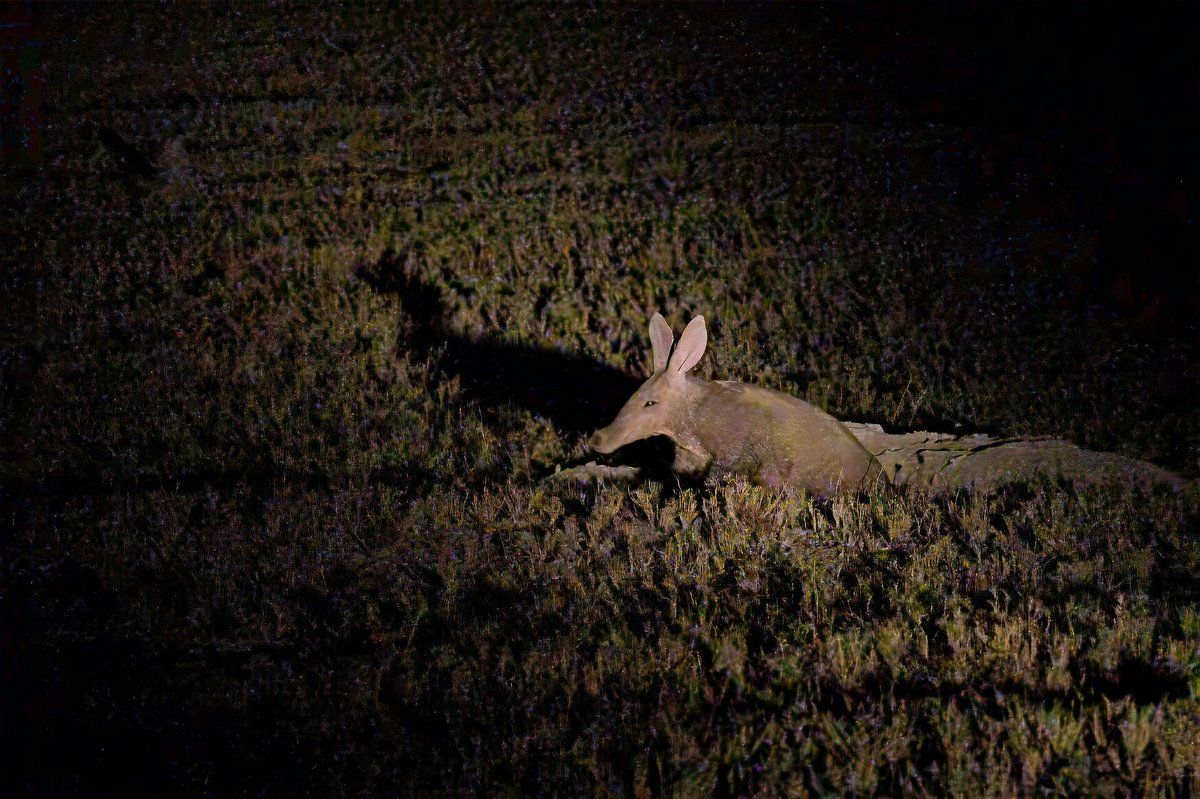
 Aardvark Night Foraging — Kalahari Botswana
Maun, Central District, BW
 Peak season
 Aardvark Night Foraging — Kalahari South Africa
Upington, Northern Cape, South Africa
 Returns Jan 2027
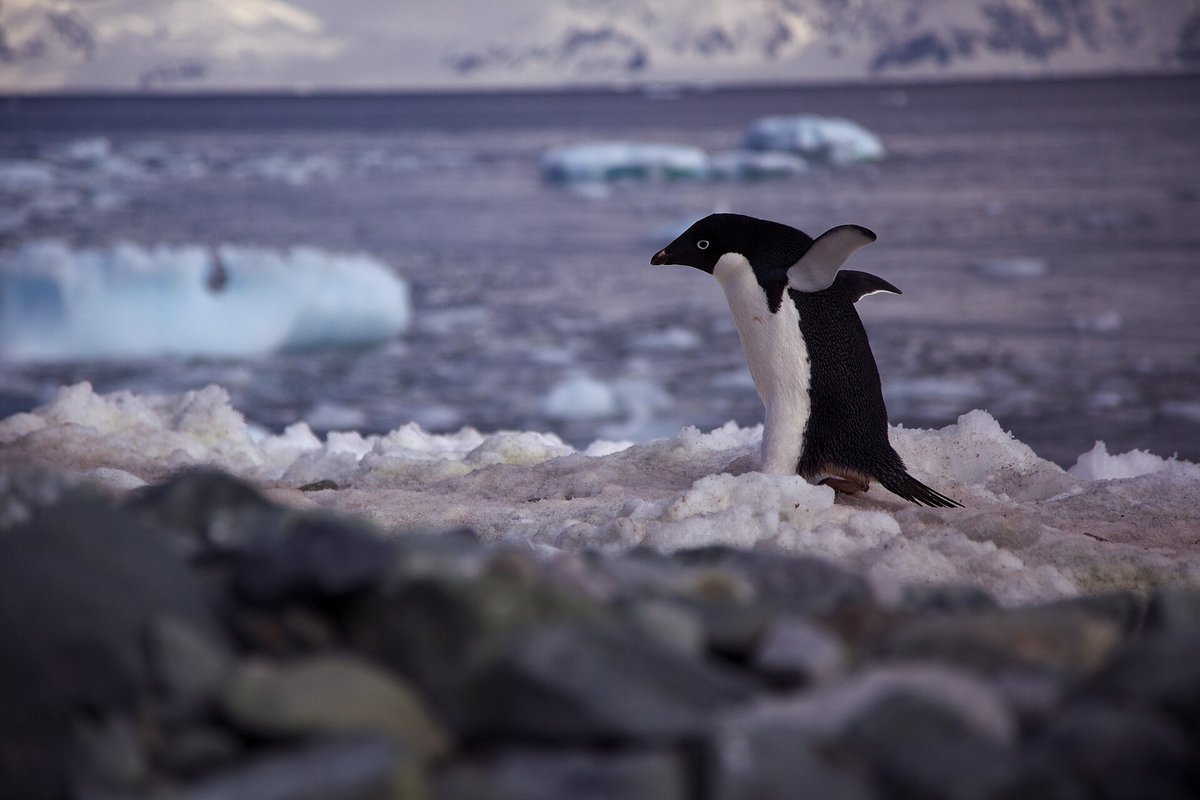
 Adélie Penguin Highway — Ross Sea Antarctica
Cape Royds, Antarctica, AQ