
Mountain Hare White Coat — Cairngorms Scotland
The mountain hare (Lepus timidus) in winter white coat on the Cairngorms' high plateau from December through March — the only British mammal to turn white in winter (reflecting the evolutionary benefit of white camouflage against snow), its pure white coat occasionally conspicuous against snowless brown heather in low-snow winters — creates one of Scotland's finest winter wildlife encounters. The Cairngorms plateau above 800 metres holds Scotland's largest mountain hare population, and the hares' daytime activity on the open moorland (resting in 'forms' — shallow depressions scraped in the heather) and the feeding groups visible from the ski road near Coire Cas create encounters at 20-metre range throughout the winter. The mountain hare's combination of its brilliant white coat, the Cairngorms' winter landscape, and the species' conservation significance (the only Arctic mammal in Britain, its range contracting northward with climate warming) creates a winter encounter of unusual ecological depth.
About this spectacle
On the Cairngorms' high plateau above 800 metres, mountain hares undergo a remarkable seasonal transformation — by December their coats have turned pure white, providing camouflage against snow. Visitors scanning the open moorland from the ski road near Coire Cas are often rewarded with hares at close range, sometimes as near as 20 metres, resting motionless in their 'forms' — shallow depressions scraped into the heather. In low-snow winters, the white-coated hares become conspicuously visible against brown heather, making them paradoxically easier to spot. Morning is the best time to search, when hares are active and feeding in loose groups. The Cairngorms holds Scotland's largest mountain hare population, making sightings highly reliable from December through March. The encounter carries unusual ecological resonance: this is Britain's only mammal to turn white in winter, and the only Arctic mammal resident in Britain, its range now contracting northward as climate warming reduces reliable snowpack. Clear, cold, bright winter days deliver the most striking photographs — a vivid white form against a snow-dusted or heather-brown moorland, with the plateau's wide open skies above.
When to go
Dec — Mar
Getting there
Nearest airport: INV. Nearest city: Inverness.
Booking options
Goyova doesn't process bookings directly. When you tap "Plan this trip" in the app, you'll see options from our partner providers — accommodation, tours, transport — with affiliate links where applicable. See our affiliate disclosure for details.
More like this.
 Peak season
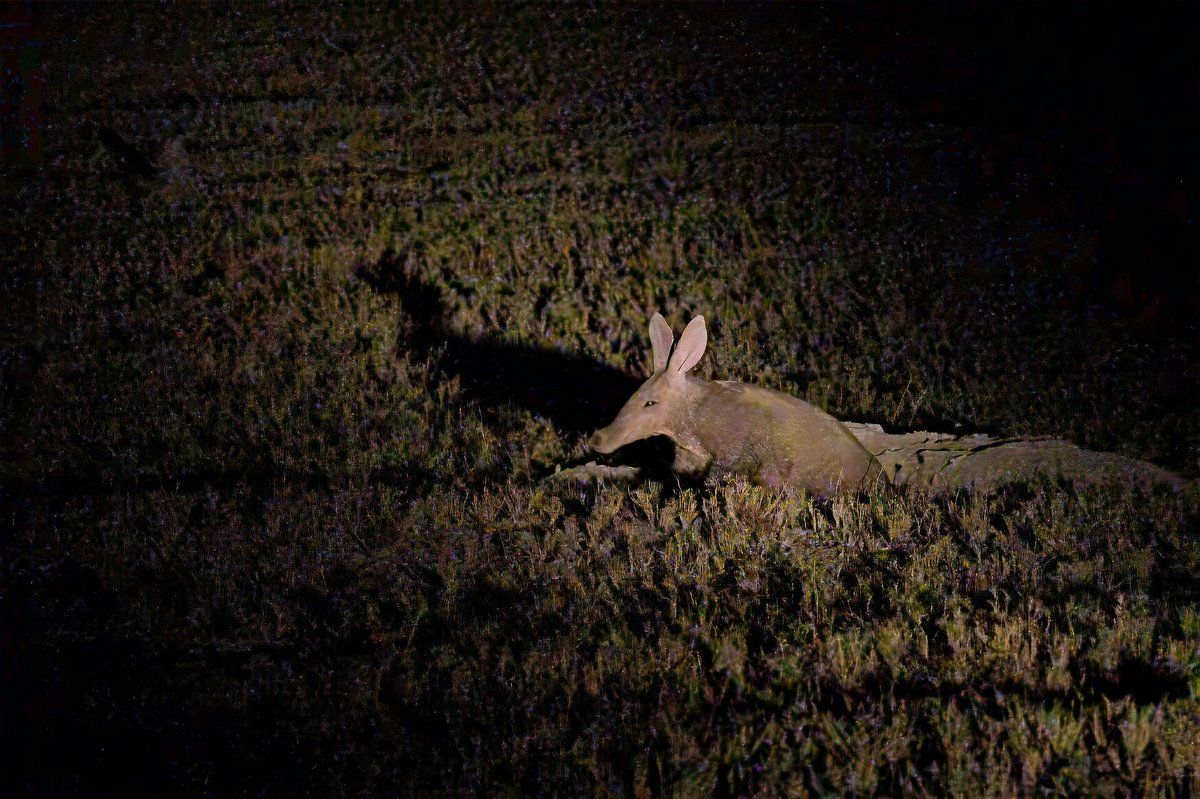
 Aardvark Night Foraging — Kalahari Botswana
Maun, Central District, BW
 Peak season
 Aardvark Night Foraging — Kalahari South Africa
Upington, Northern Cape, South Africa
 Returns Jan 2027
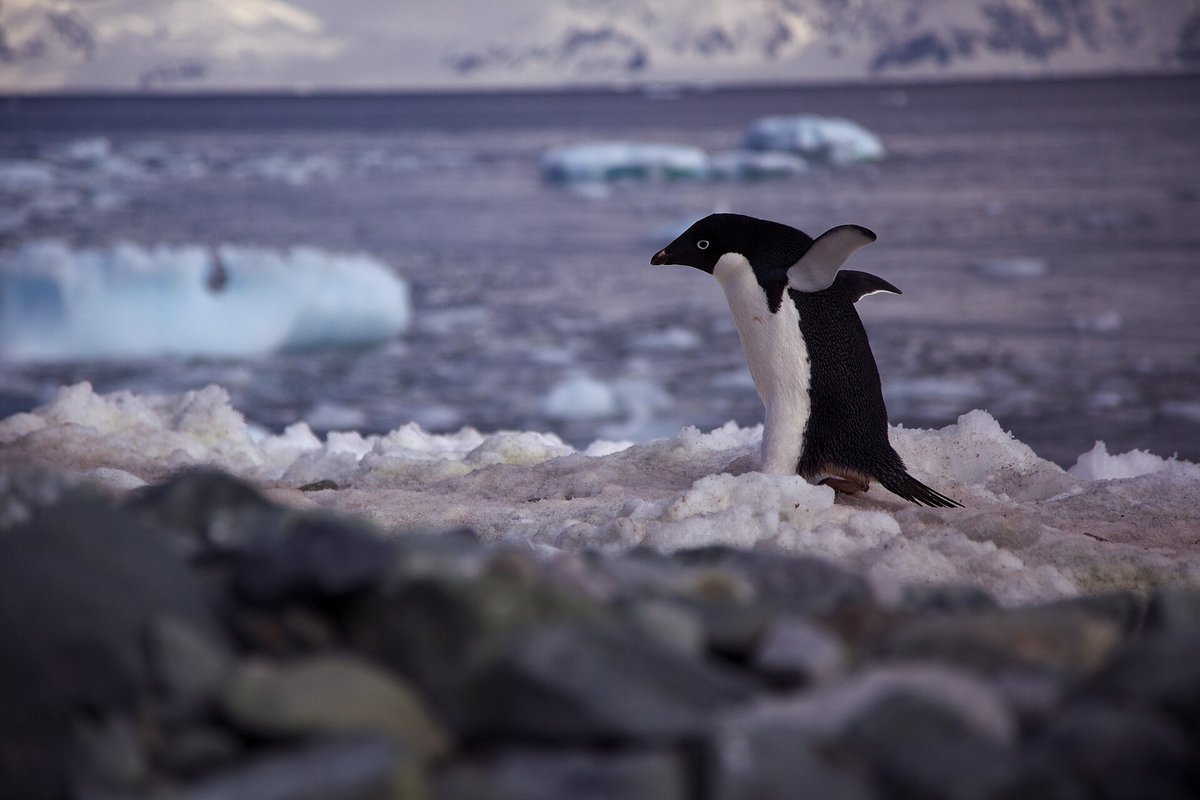
 Adélie Penguin Highway — Ross Sea Antarctica
Cape Royds, Antarctica, AQ