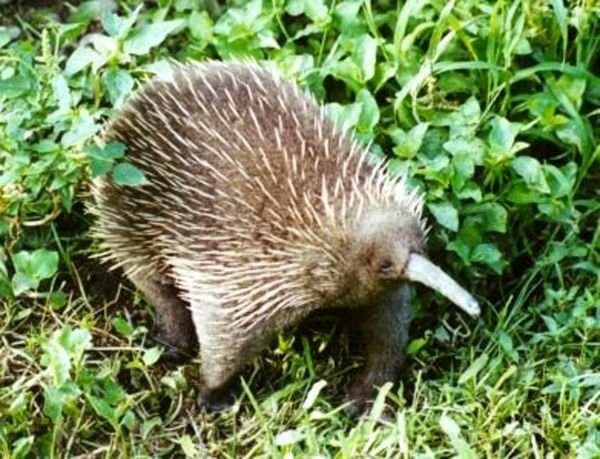
Long-Beaked Echidna — Papua New Guinea Highlands
The long-beaked echidna (Zaglossus bartoni) in the Arfak Mountains and the Wandammen Range of Papua New Guinea — the world's largest monotreme at 16 kg, the only surviving member of the genus Zaglossus (the other two species extinct), and one of the world's rarest and most poorly known mammals. The long-beaked echidna's encounters in the highland forest are produced through the Arfak Mountains' conservation programme's community ranger night walks, the animal's nocturnal rooting activity in the moss forest floor leaving distinctive probe holes in the damp soil that rangers track to the foraging animal. The echidna's combination of its extraordinary evolutionary isolation (the monotremes' separation from other mammals 166 million years ago), its cultural significance (hunted almost to extinction in much of its former range but protected by taboo in some PNG communities), and the Arfak's extraordinary bird-of-paradise diversity create a PNG wildlife encounter of the most genuinely rare kind.
About this spectacle
Stepping into the mossy highland forest of the Arfak Mountains after dark, visitors join community rangers on a guided night walk in search of one of the most extraordinary animals on Earth. The long-beaked echidna (Zaglossus bartoni) is tracked not by sight but by evidence — distinctive probe holes punched into the damp moss-carpeted soil where the animal has rooted for earthworms with its elongated snout. Rangers read the forest floor like a map, following fresh disturbance until torchlight catches the slow, deliberate movement of a creature shaped by 166 million years of independent evolution. The animal is the size of a large dog, covered in dark spines and coarse fur, moving with unhurried purpose through tree roots and leaf litter. The soundscape is dense highland forest at night: insects, frogs, and the occasional rustle of other nocturnal life. Sightings are not guaranteed, but the tracking process itself — learning to read the forest with rangers whose communities protect this animal — is as memorable as any encounter. This is genuinely one of the world's rarest wildlife experiences.
When to go
Year-round
Getting there
Nearest airport: MKW. Nearest city: Manokwari.
Booking options
Goyova doesn't process bookings directly. When you tap "Plan this trip" in the app, you'll see options from our partner providers — accommodation, tours, transport — with affiliate links where applicable. See our affiliate disclosure for details.
More like this.
 Peak season
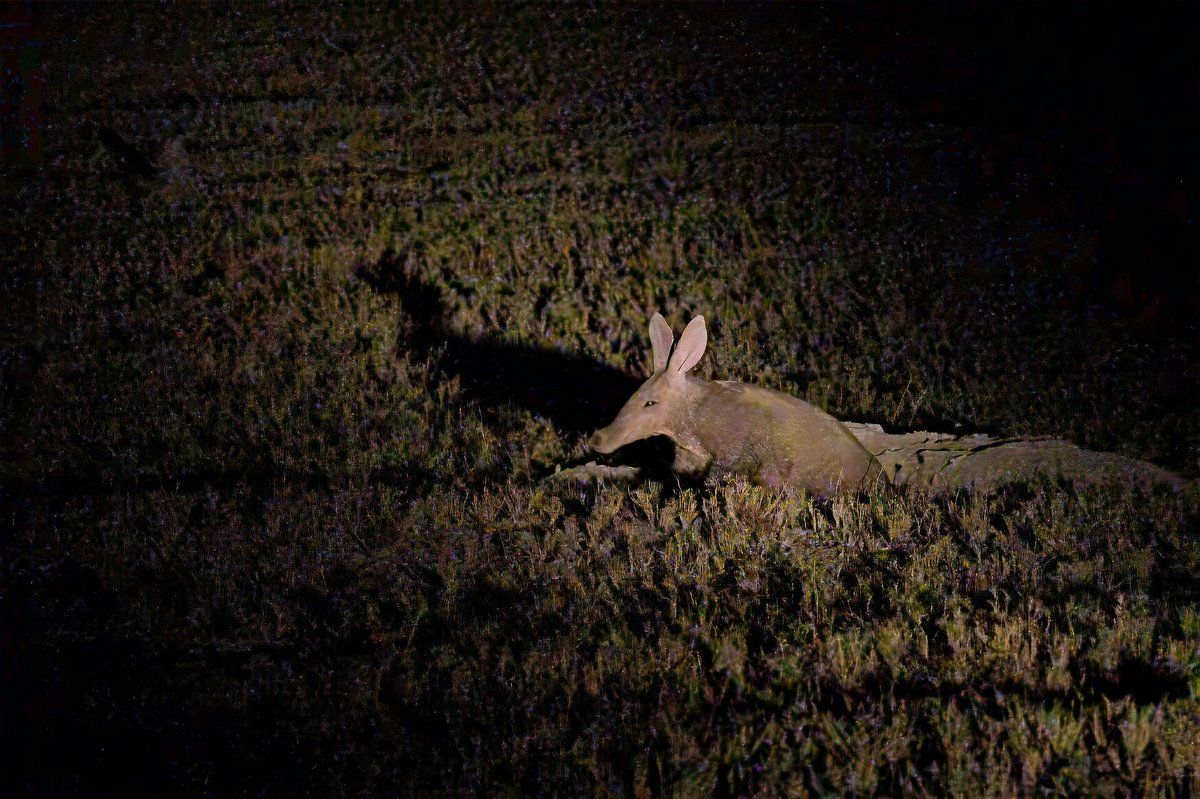
 Aardvark Night Foraging — Kalahari Botswana
Maun, Central District, BW
 Peak season
 Aardvark Night Foraging — Kalahari South Africa
Upington, Northern Cape, South Africa
 Returns Jan 2027
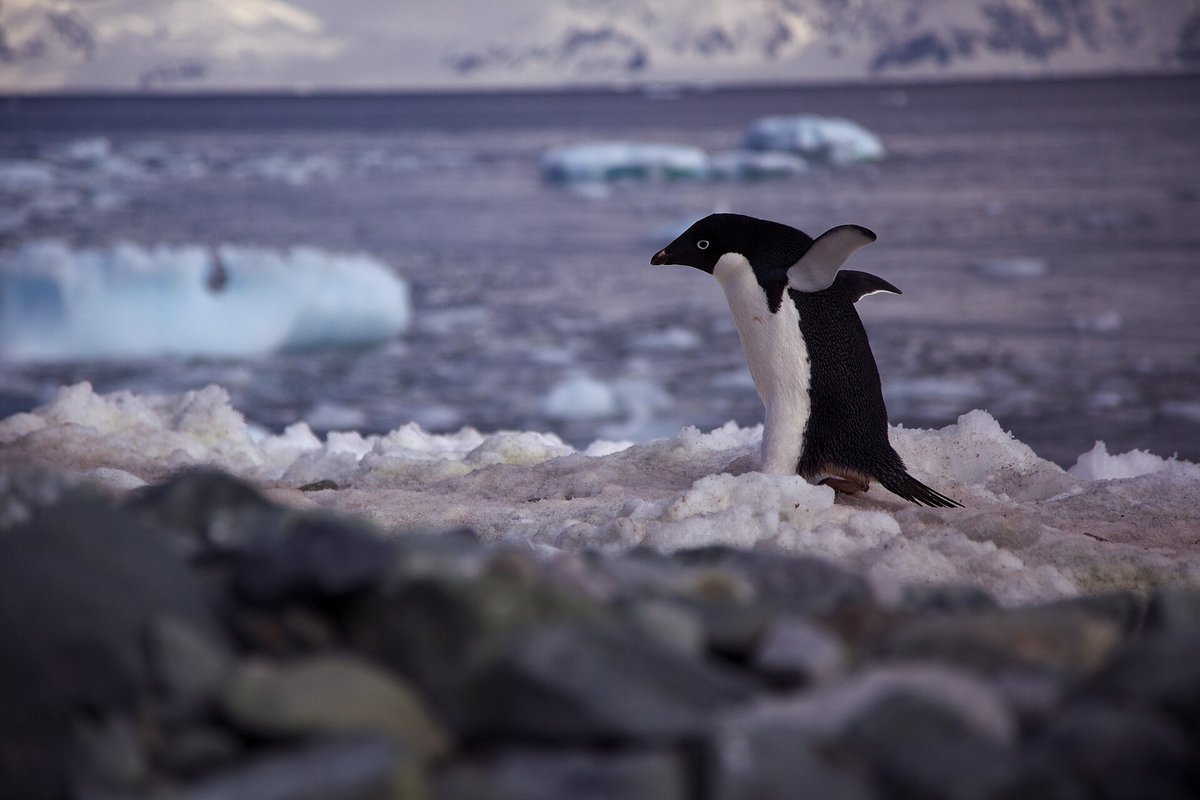
 Adélie Penguin Highway — Ross Sea Antarctica
Cape Royds, Antarctica, AQ