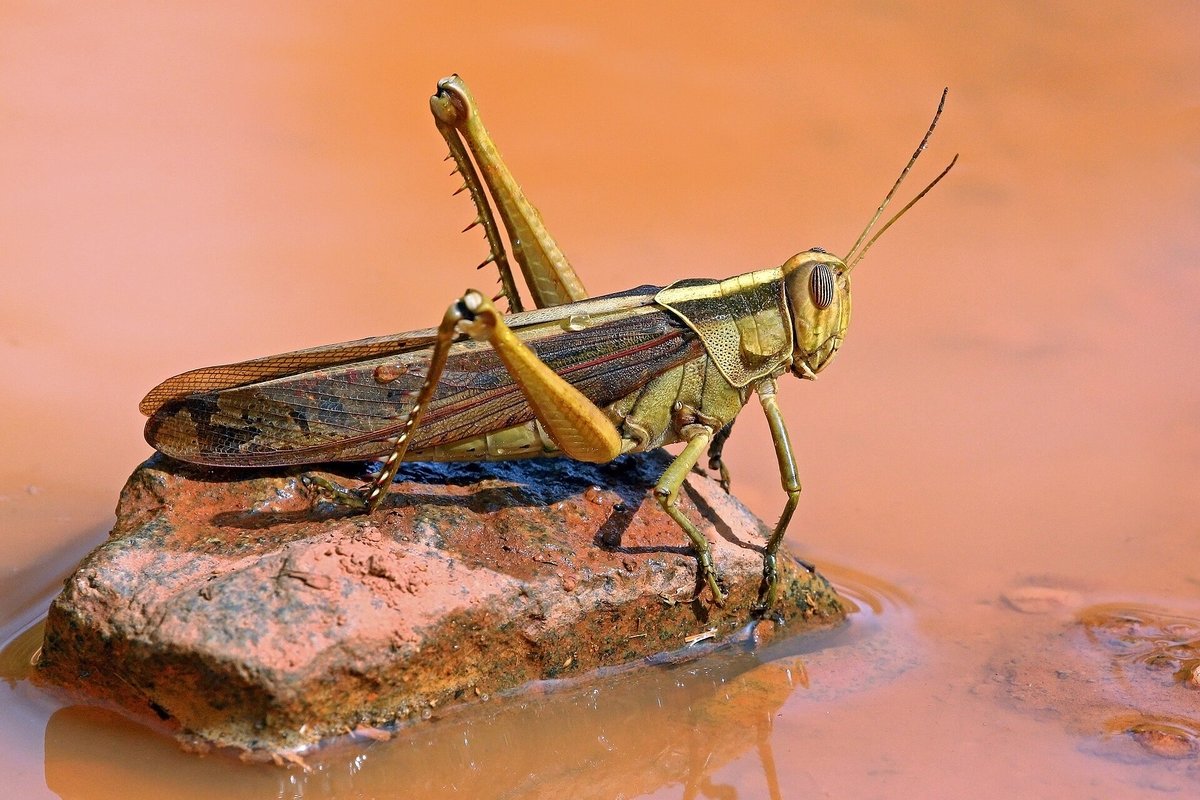
Locust Swarm Observation — Sahel Africa
The desert locust (Schistocerca gregaria) swarm observation in the Sahel transition zone of Mali, Niger, and Chad — a swarm of 40–80 million locusts per square kilometre darkening the sky from horizon to horizon, the combined mass of wings creating a visible shadow on the ground and an audible rustling audible 2 kilometres away, the swarm's landing stripping a field of all vegetation within minutes — creates one of the natural world's most overwhelming and most specifically alarming biological spectacles. The swarm observation context (the FAO's locust monitoring teams' permit-based observation access in affected areas) creates an encounter simultaneously of the natural world's most impressive biomass concentrations and one of its most economically devastating wildlife events. The locust's extraordinary transformation from solitary to gregarious phase (the chemical trigger of serotonin released when locusts touch each other's hind legs converting the solitary desert grasshopper into the swarming gregarious phase) is evolution's most dramatic single-chemical behaviour transformation observable in wildlife.
About this spectacle
Standing in the Sahel scrubland of Niger's Agadez Region as a desert locust swarm approaches is an experience that overwhelms every sense simultaneously. Forty to eighty million insects per square kilometre blot out the sun, casting a moving shadow across the pale ochre earth below. The sound arrives before the swarm is fully visible — a dry, papery rustling audible up to two kilometres away, rising to a pervasive hiss as the mass passes overhead. The air itself seems to thicken and darken. When the swarm descends, the transformation of landscape is terrifyingly swift: a standing crop field stripped to bare stalks within minutes. The sheer biological scale — billions of individuals acting as a single organism, driven by serotonin-triggered phase change from solitary grasshopper to coordinated swarm — is both scientifically extraordinary and viscerally unsettling. FAO monitoring teams provide the logistical and permit framework for observers, placing this encounter at the intersection of wildlife spectacle and global food-security crisis.
When to go
Nov — May, peak Jul — Nov
Getting there
Nearest airport: AJY. Nearest city: Agadez.
Booking options
Goyova doesn't process bookings directly. When you tap "Plan this trip" in the app, you'll see options from our partner providers — accommodation, tours, transport — with affiliate links where applicable. See our affiliate disclosure for details.
More like this.
 Peak season
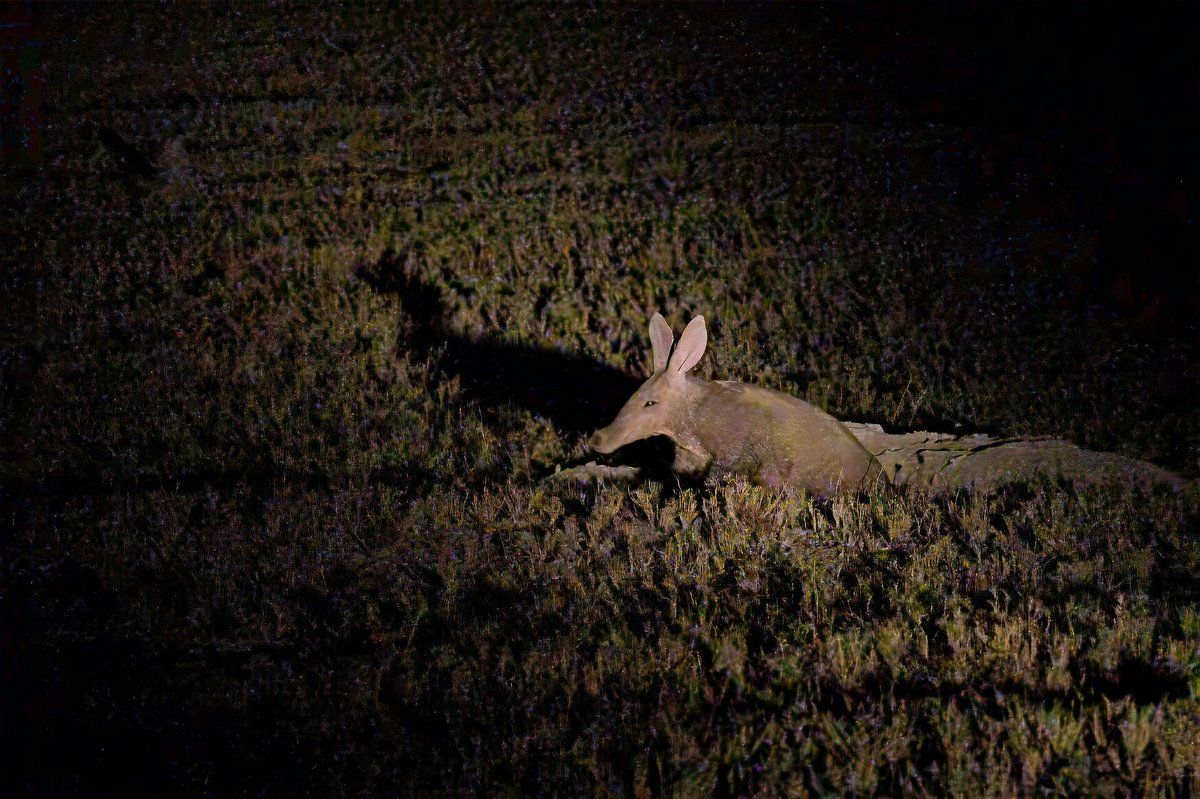
 Aardvark Night Foraging — Kalahari Botswana
Maun, Central District, BW
 Peak season
 Aardvark Night Foraging — Kalahari South Africa
Upington, Northern Cape, South Africa
 Returns Jan 2027
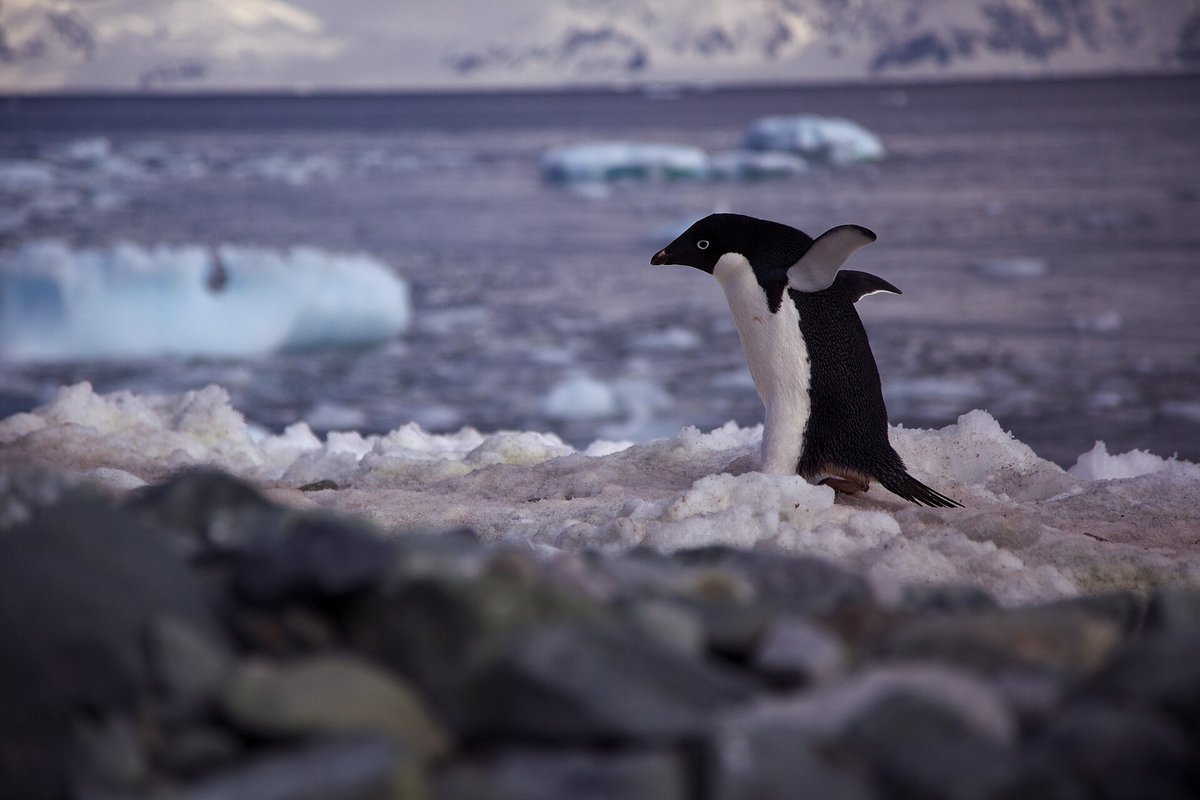
 Adélie Penguin Highway — Ross Sea Antarctica
Cape Royds, Antarctica, AQ