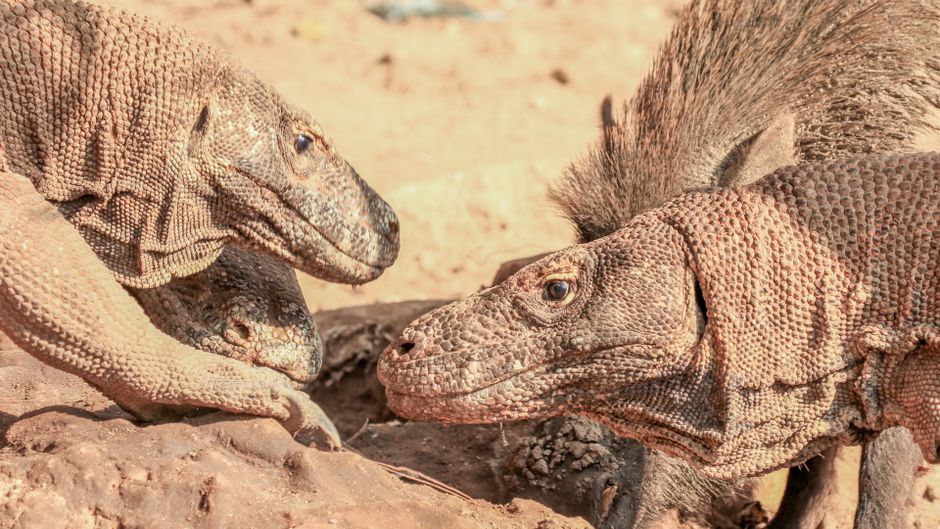
Komodo Dragon Hunting — Komodo Island
Komodo Island and the adjacent Rinca Island in Indonesia's Lesser Sunda Islands host the world's only population of Komodo dragons — the largest living lizard at up to 3 metres and 70 kg — and guided walks on both islands produce near-certain encounters with these ancient predators in a landscape of savannah grassland, dry deciduous forest, and volcanic hills that creates one of the world's most dramatic wildlife backdrops. The Komodo dragon's hunting strategy — using a lethal combination of serrated teeth, venomous saliva, and extraordinary patience to ambush deer and water buffalo many times their size — can occasionally be observed on morning walks when the dragons are most active. The permit system requires a ranger guide, and the rangers' intimate knowledge of individual dragon locations and behaviour allows the walks to be timed around feeding activity and known hunting areas. The surrounding Komodo National Park marine waters hold an extraordinary diversity of coral reef, with manta ray aggregations, pygmy seahorses, and some of the richest fish life in the Indo-Pacific, making Komodo a combined terrestrial-marine wildlife destination of exceptional biodiversity. The landscape of Komodo Island — its grass-covered volcanic hills, lontar palm silhouettes, and the pink-tinged sky of the Lesser Sunda dawn — creates a setting of primeval otherworldliness entirely appropriate to an encounter with a living prehistoric reptile.
About this spectacle
Stepping onto Komodo Island at dawn, visitors enter a landscape that feels genuinely ancient — volcanic hills draped in tawny savannah grass, lontar palms silhouetted against a pink sky, and the dry rustle of deciduous forest. The encounter begins before you see a dragon: rangers read fresh tracks, crushed undergrowth, and the stillness of deer that signals a predator nearby. When the dragon materialises — a muscular, scaled body up to three metres long moving with deceptive slowness across the open grassland — the scale of the animal stops most visitors in their tracks. The forked tongue flickers continuously, tasting the air. Morning walks catch the dragons at their most active, warming themselves and patrolling known hunting corridors around water sources. Occasionally, a stalking sequence unfolds: the dragon lowers its body, slows further, and then surges with shocking speed. Beyond the dragons, the volcanic hillscape provides a dramatic photographic backdrop that belongs to no other wildlife experience on Earth. Rangers maintain close but safe distances throughout.
When to go
Apr — Oct, peak Apr — Sep
Getting there
Nearest airport: LBJ. Nearest city: Labuan Bajo.
Booking options
Goyova doesn't process bookings directly. When you tap "Plan this trip" in the app, you'll see options from our partner providers — accommodation, tours, transport — with affiliate links where applicable. See our affiliate disclosure for details.
More like this.
 Peak season
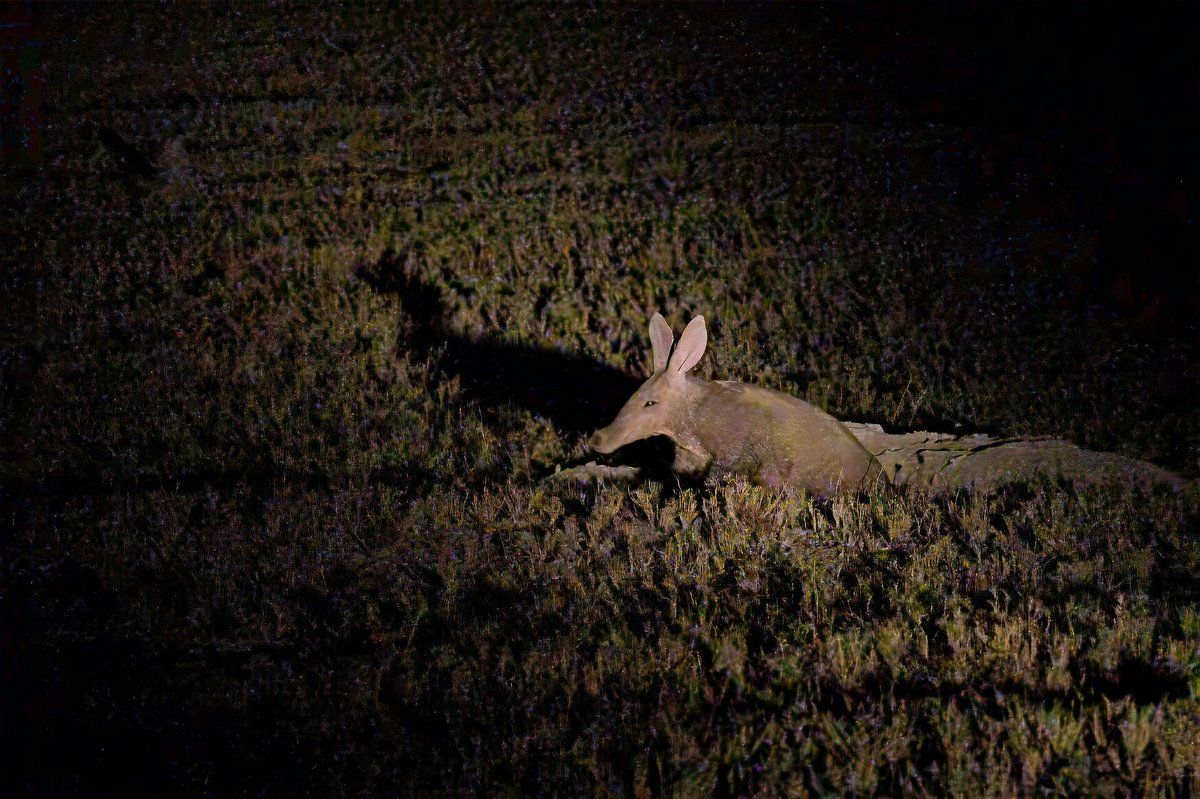
 Aardvark Night Foraging — Kalahari Botswana
Maun, Central District, BW
 Peak season
 Aardvark Night Foraging — Kalahari South Africa
Upington, Northern Cape, South Africa
 Returns Jan 2027
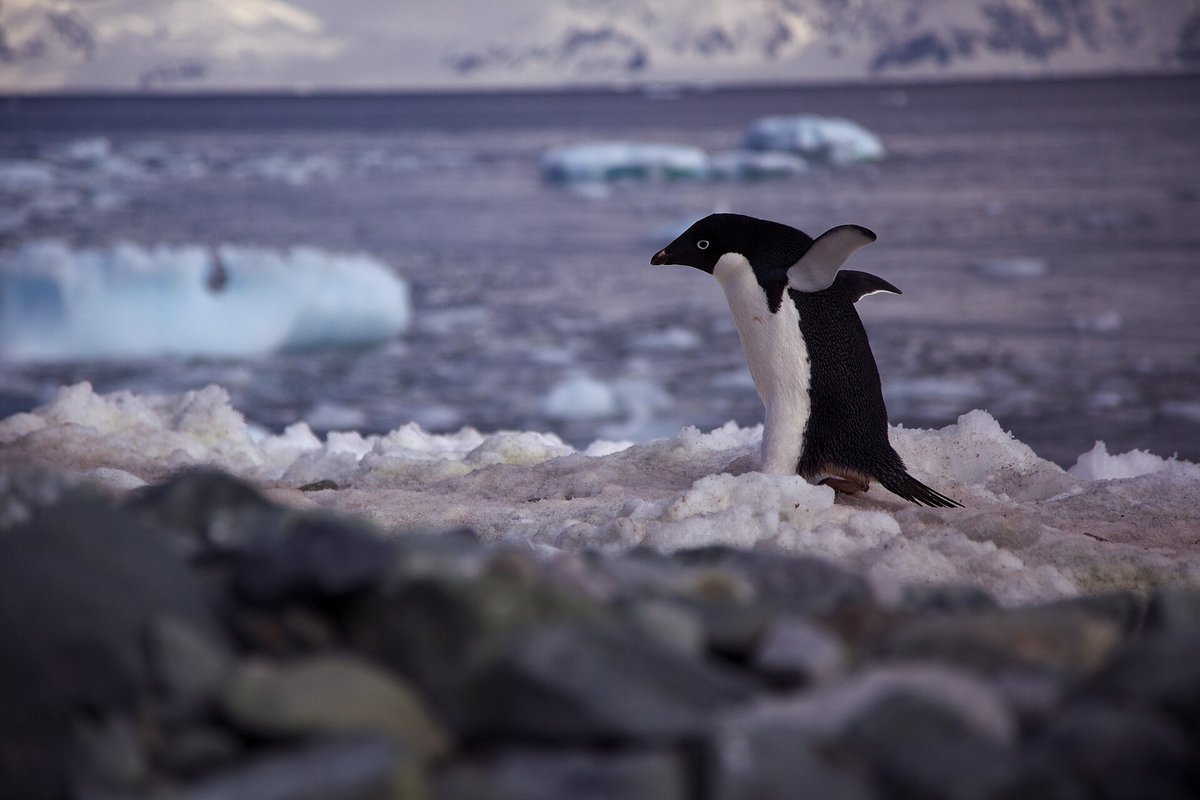
 Adélie Penguin Highway — Ross Sea Antarctica
Cape Royds, Antarctica, AQ