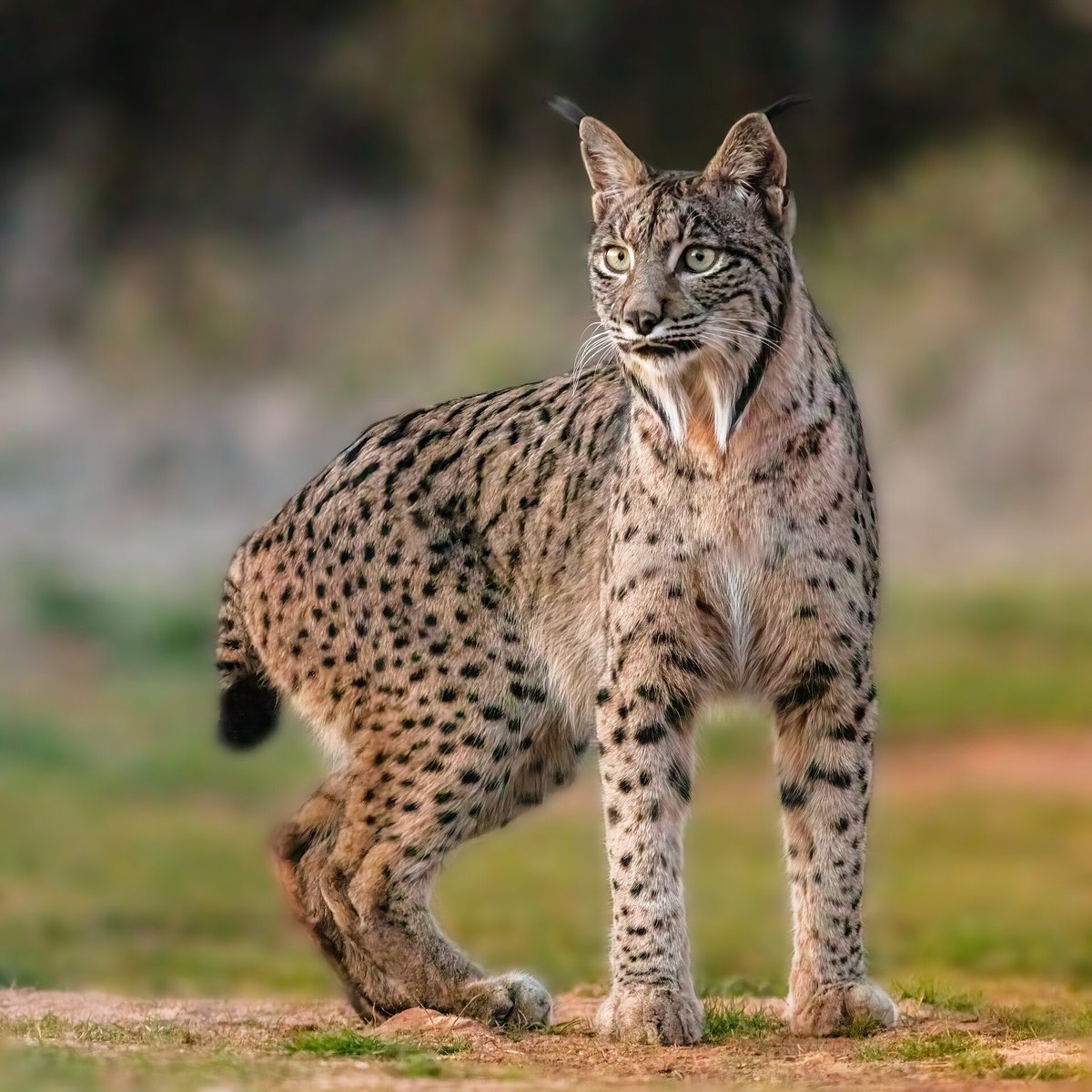
Iberian Lynx Patrol — Coto Doñana Spain
The Iberian lynx (Lynx pardinus) — the world's most endangered wild cat, recovered from 94 individuals in 2002 to 1,100+ in 2024 in one of conservation's most dramatic large felid recoveries — patrols the cork oak and Mediterranean scrub of the Coto Doñana at dawn from the road network. The Doñana's lynx population and the adjacent areas of the Sierra Morena and the Sierra de Andújar produce Spain's finest accessible Iberian lynx observation, and the combination of the cat's striking spotted coat, the tufted ears, and the Mediterranean scrub landscape's morning light creates one of Europe's most sought single-species wildlife encounters. The lynx's recovery trajectory (from functionally extinct to a viable population in 22 years) and the breeding programme's visible success (family groups with cubs now regularly seen in the Doñana's core zone) creates a conservation encounter of genuinely inspiring momentum available at no other European large carnivore site.
About this spectacle
At first light, the cork oak and Mediterranean scrub of Coto Doñana takes on a golden warmth that perfectly frames Europe's rarest wild cat. Visitors drive the reserve's road network slowly, scanning open patches and scrub edges where Iberian lynx — unmistakable with their spotted tawny coats, extravagant facial ruffs, and tufted ears — cross or pause in the low morning sun. The silence of the pre-dawn landscape gives way to birdsong, and then, if fortune holds, the electric moment of a lynx moving through the brush or pausing to survey its territory. Family groups with cubs have become a regular sight in the core zone, a development that would have seemed impossible two decades ago. The surrounding landscape — umbrella pines, open grassland corridors, and shimmering marshland — adds depth and context to each sighting. The combination of an intensely charismatic animal, dramatic conservation backstory, and painterly Mediterranean light makes each encounter feel genuinely significant rather than merely thrilling.
When to go
Jan — Dec, peak Oct — Apr
Getting there
Nearest airport: SVQ. Nearest city: Huelva.
Booking options
Goyova doesn't process bookings directly. When you tap "Plan this trip" in the app, you'll see options from our partner providers — accommodation, tours, transport — with affiliate links where applicable. See our affiliate disclosure for details.
More like this.
 Peak season
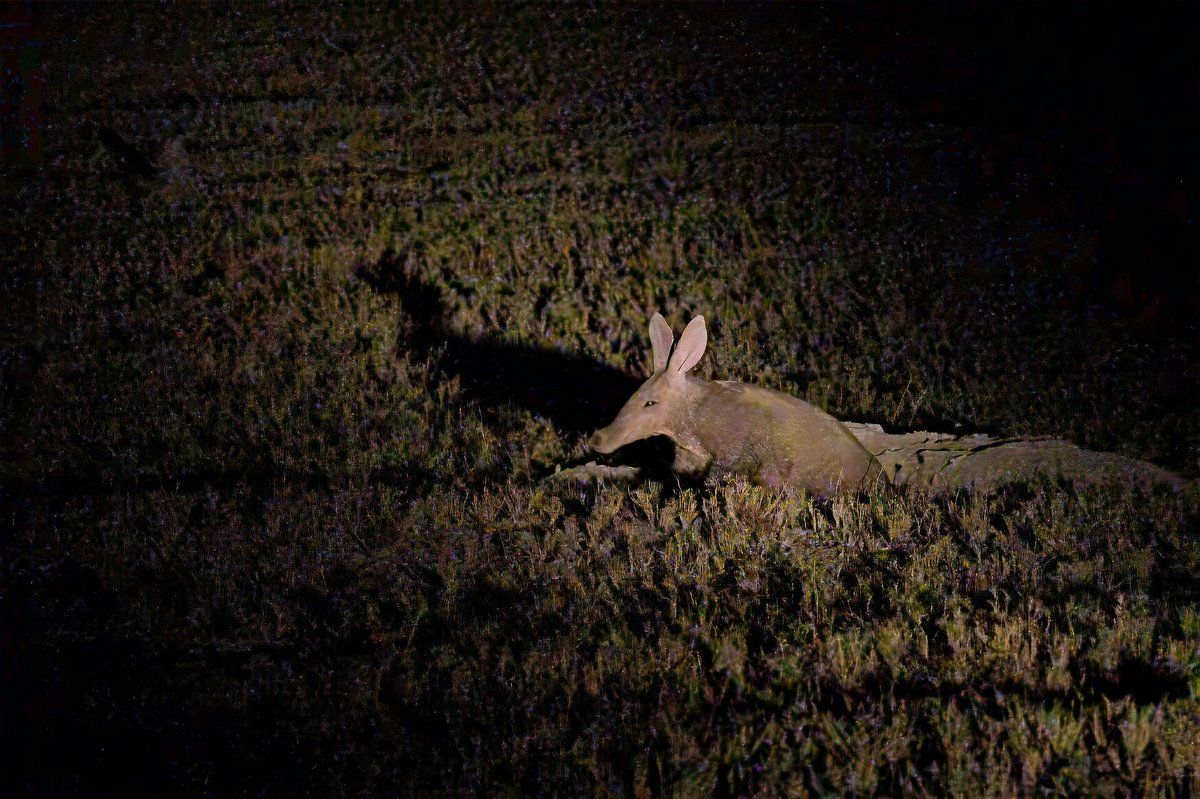
 Aardvark Night Foraging — Kalahari Botswana
Maun, Central District, BW
 Peak season
 Aardvark Night Foraging — Kalahari South Africa
Upington, Northern Cape, South Africa
 Returns Jan 2027
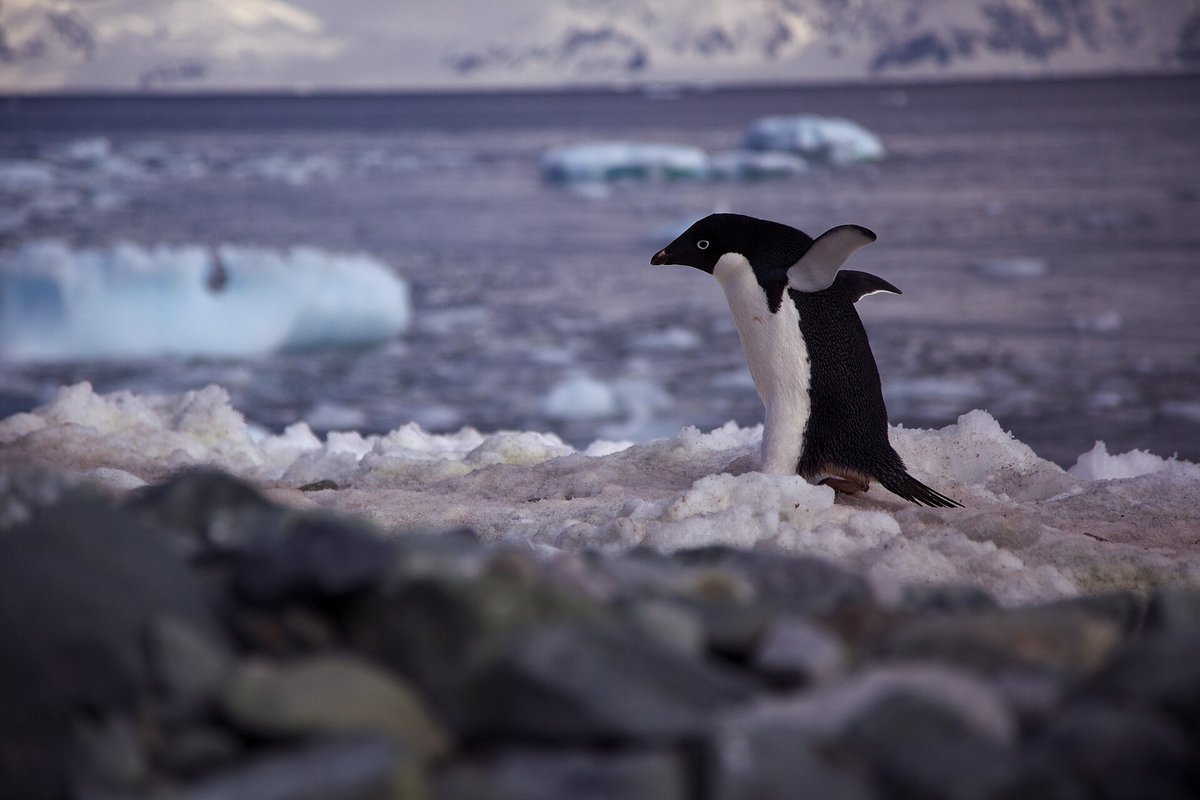
 Adélie Penguin Highway — Ross Sea Antarctica
Cape Royds, Antarctica, AQ