
Hyacinth Macaw Nesting — Northern Pantanal Brazil
The hyacinth macaw (Anodorhynchus hyacinthinus) — the world's largest flying parrot at 1 metre and 1.5 kg, its cobalt-blue plumage and yellow eye ring making it the most visually striking macaw in the Americas — nests in the northern Pantanal's manduvi trees in July and August, the nesting pairs visible from the Transpantaneira road where the trees' cavities are used year after year by returning pairs. The hyacinth macaw's recovery from 3,000 individuals in 1990 to 6,500 today (driven by Hyacinth Macaw Institute's nest box programme) creates a conservation narrative directly visible at the road-side nesting trees. The combination of the hyacinth macaw's extraordinary colouration, the Pantanal's golden light, and the species' cultural significance (the largest and most spectacular parrot in the Western Hemisphere) creates one of South America's most sought single-species wildlife photographs.
About this spectacle
Standing roadside along the Transpantaneira, visitors watch cobalt-blue hyacinth macaws — each a metre long and weighing 1.5 kg — emerge from cavities carved into manduvi trees just metres away. At dawn, the golden Pantanal light catches their vivid plumage and bright yellow eye rings with extraordinary intensity. Nesting pairs return to the same tree cavities year after year, making sightings highly predictable. The birds' size alone is arresting: they dwarf every other parrot in the Western Hemisphere. Pairs call loudly to each other, and close-range views from the road require no strenuous hiking. The Pantanal wetland backdrop — vast open sky, palm stands, and seasonal water — frames each encounter. Given the species' recovery from roughly 3,000 individuals in 1990 to around 6,500 today, watching a pair at their nest tree carries a palpable conservation resonance. Photographers and wildlife watchers alike rate this among the finest accessible parrot encounters on Earth.
When to go
Jul — Aug
Getting there
Nearest airport: CGB. Nearest city: Cuiabá.
Booking options
Goyova doesn't process bookings directly. When you tap "Plan this trip" in the app, you'll see options from our partner providers — accommodation, tours, transport — with affiliate links where applicable. See our affiliate disclosure for details.
More like this.
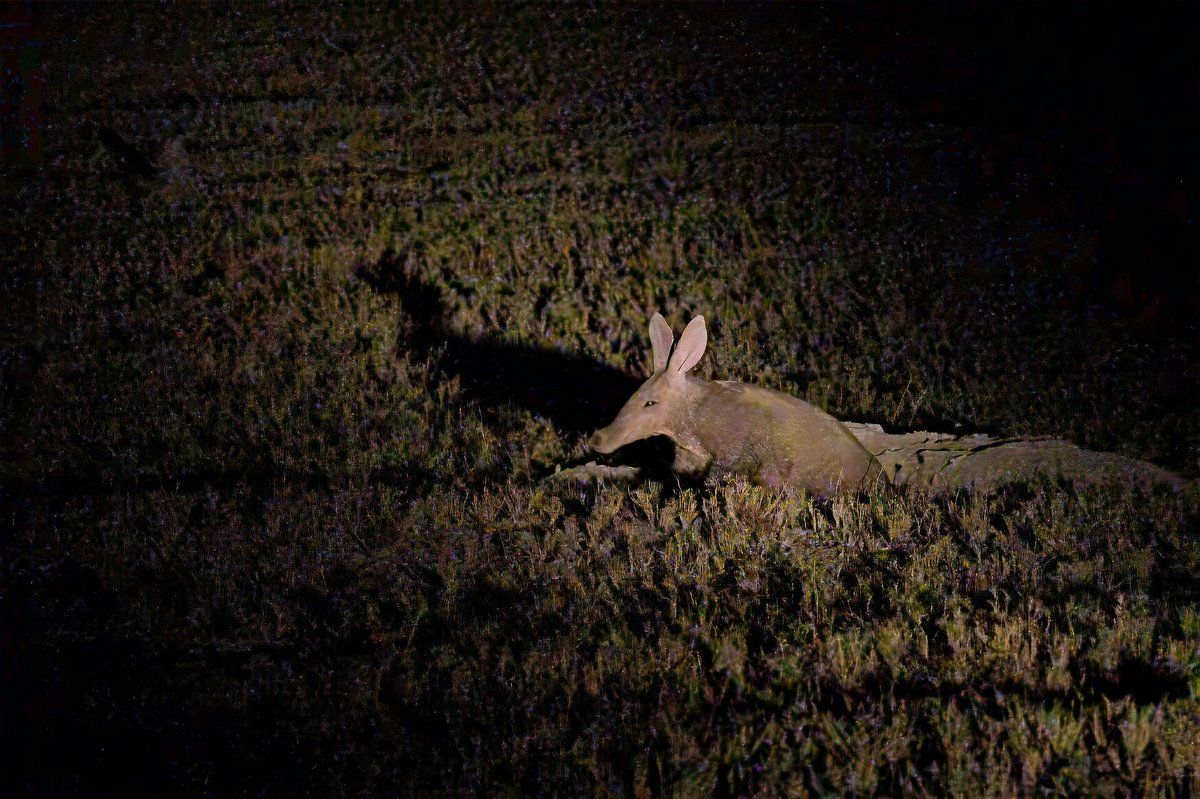 Peak season
 Aardvark Night Foraging — Kalahari Botswana
Maun, Central District, BW
 Peak season
 Aardvark Night Foraging — Kalahari South Africa
Upington, Northern Cape, South Africa
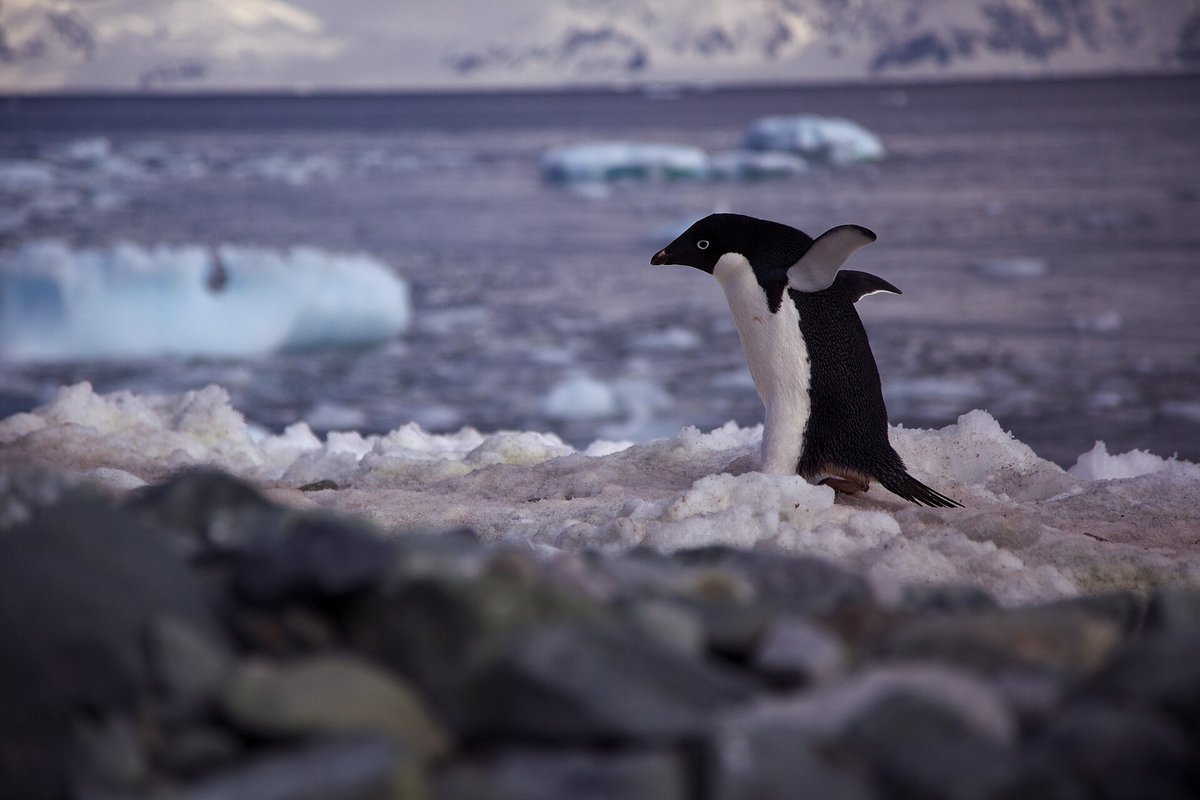 Returns Jan 2027
 Adélie Penguin Highway — Ross Sea Antarctica
Cape Royds, Antarctica, AQ