 Returns Jan 2027
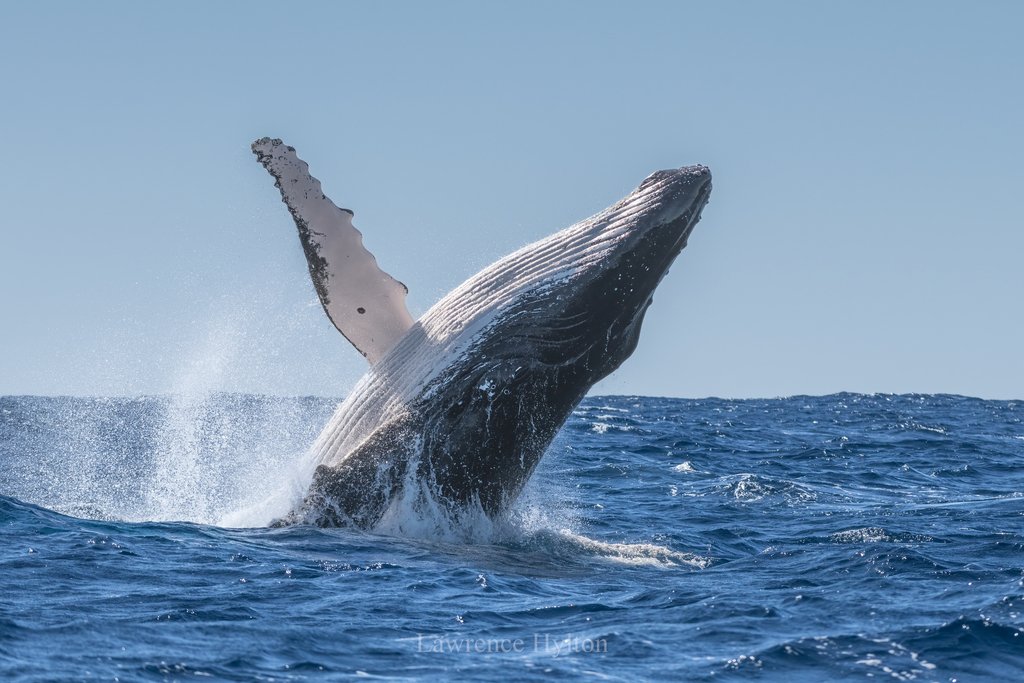
 Humpback Whale Antarctic Feeding — Peninsula Antarctica
The Antarctic Peninsula's humpback whale (Megaptera novaeangliae) summer feeding aggregation — up to 5,000 humpbacks concentrated in the krill-rich waters of the Scotia Arc from November through March — provides the world's finest encounter with the world's most active large whale. The Antarctic humpbacks feed using lunge-feeding (mouth agape, engulfing krill at the surface), cooperative bubble-net feeding, and 'kick-feeding' (slapping the fluke on the water to stun krill), all visible from expedition cruise zodiacs at 5-metre range. The combination of the Antarctic Peninsula's landscape (icebergs, glaciers, and snow-covered mountains), the humpbacks' extraordinary surface activity frequency (a single whale may breach 30 times in succession), and the ecological scale of the Antarctic summer creates a whale-watching experience of dimensions unavailable at any other latitude.
About this spectacle
From the deck of an expedition zodiac, just five metres away, a humpback whale erupts from the dark Antarctic water with its mouth agape — a lunge-feed engulfing thousands of krill in a single pass. In Wilhelmina Bay and the broader Scotia Arc, up to 5,000 humpbacks concentrate during the austral summer, and the sheer frequency of surface behaviour is staggering: a single whale may breach thirty times in succession, while nearby companions slap the water with their flukes to stun krill, or spiral upward through self-made bubble-nets to corral their prey. All around, icebergs calve from glaciers, snow-covered peaks rise from the sea, and the air smells of salt and cold. The scale of the encounter — numerically, behaviourally, and scenically — is without parallel in global whale-watching. Light in the austral summer lasts well into the evening, extending photographic opportunity. The cold and remote setting demands expedition clothing, but the reward is unfiltered immersion in one of the planet's last great wildlife spectacles.
When to go
Nov — Mar
Getting there
Nearest airport: USH. Nearest city: Ushuaia.
Booking options
Goyova doesn't process bookings directly. When you tap "Plan this trip" in the app, you'll see options from our partner providers — accommodation, tours, transport — with affiliate links where applicable. See our affiliate disclosure for details.
More like this.
 Peak season
 Aardvark Night Foraging — Kalahari Botswana
Maun, Central District, BW
 Peak season
 Aardvark Night Foraging — Kalahari South Africa
Upington, Northern Cape, South Africa
 Returns Jan 2027
 Adélie Penguin Highway — Ross Sea Antarctica
Cape Royds, Antarctica, AQ