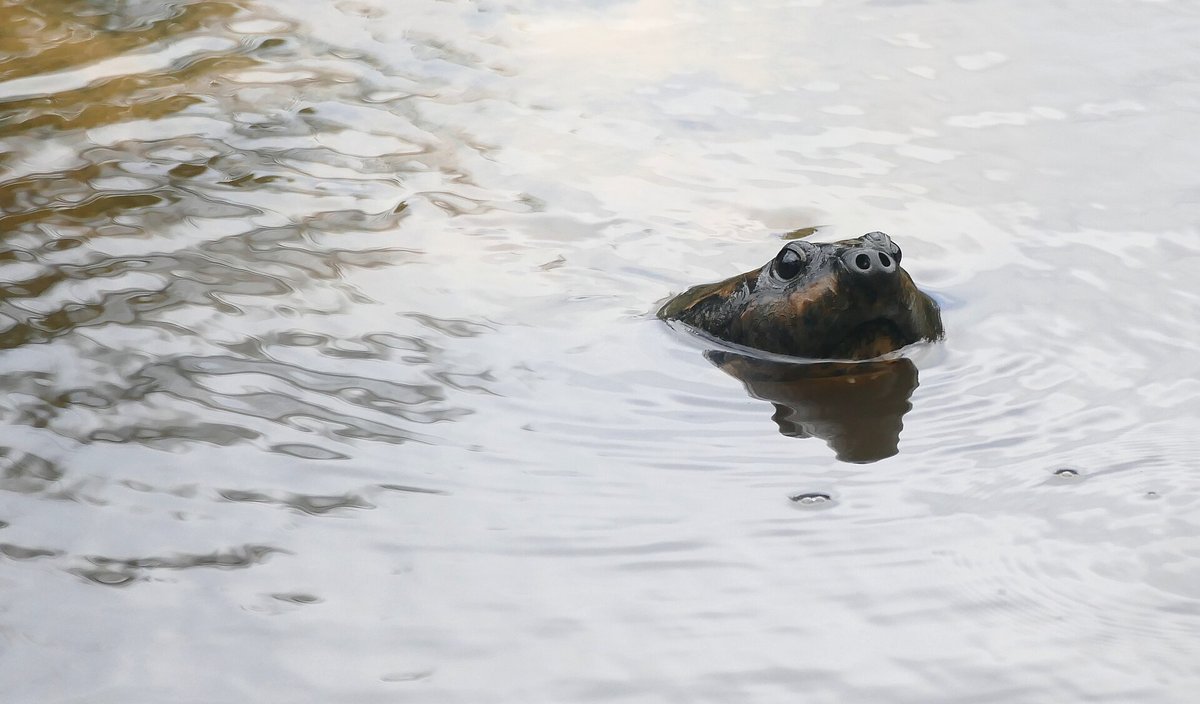
Giant River Turtle Nesting — Orinoco Venezuela
The Arrau giant river turtle (Podocnemis expansa) — the world's largest side-necked turtle at 90 kg and 1 metre, and one of South America's most endangered reptiles — nests in mass aggregations on the white sand beaches of the Orinoco's Meta and Arauca tributaries in January and February, with females numbering in the tens of thousands converging on specific beaches to nest in what is one of the world's largest reptile aggregation events. The Capanaparo-Cinaruco Biosphere Reserve's protected beaches in Apure State contain the largest accessible aggregations, and working with the Venezuelan guard corps that protects the nesting beaches produces encounters with hundreds of nesting females simultaneously at dawn — one of the last remnants of what was once one of South America's most abundant reptile populations before 19th-century egg harvesting nearly eliminated the species.
About this spectacle
At first light on the white sand beaches of the Orinoco's Capanaparo-Cinaruco Biosphere Reserve, tens of thousands of Arrau giant river turtles — the world's largest side-necked turtles, reaching 90 kg and one metre in length — haul themselves ashore to nest in dense, heaving aggregations. The scene is ancient and overwhelming: hundreds of females simultaneously excavating nests, their broad shells catching the first dawn light, the sand alive with slow, purposeful movement in every direction. The air carries the earthy smell of disturbed riverbank and the low percussion of shells and flippers against sand. Venezuelan guard corps rangers patrol the perimeter, keeping the beach calm and giving visitors rare, close proximity to one of the planet's last mass reptile nesting events. By mid-morning the females have returned to the river, leaving a pockmarked beach that betrays the extraordinary night's work. This is a ghost of a once-continent-wide spectacle, now concentrated into a few protected beaches in Apure State.
When to go
Jan — Feb
Getting there
Nearest city: San Fernando de Apure.
Booking options
Goyova doesn't process bookings directly. When you tap "Plan this trip" in the app, you'll see options from our partner providers — accommodation, tours, transport — with affiliate links where applicable. See our affiliate disclosure for details.
More like this.
 Peak season
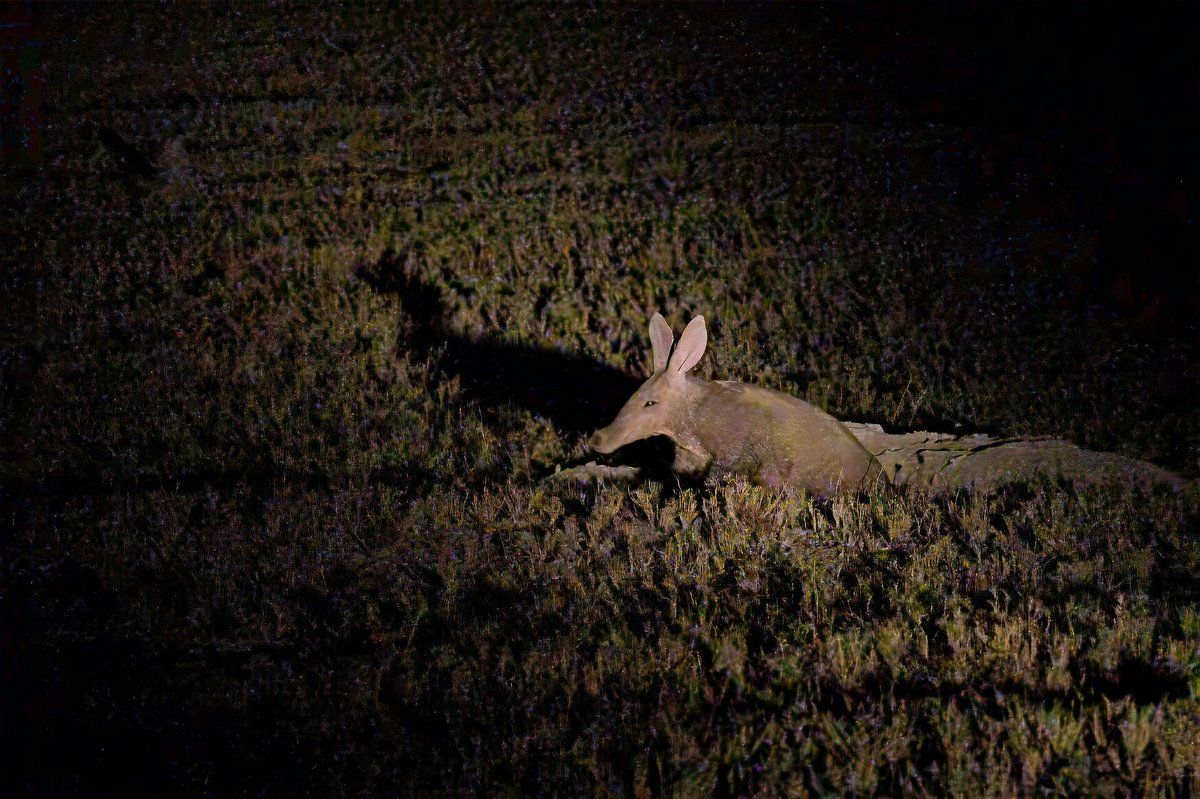
 Aardvark Night Foraging — Kalahari Botswana
Maun, Central District, BW
 Peak season
 Aardvark Night Foraging — Kalahari South Africa
Upington, Northern Cape, South Africa
 Returns Jan 2027
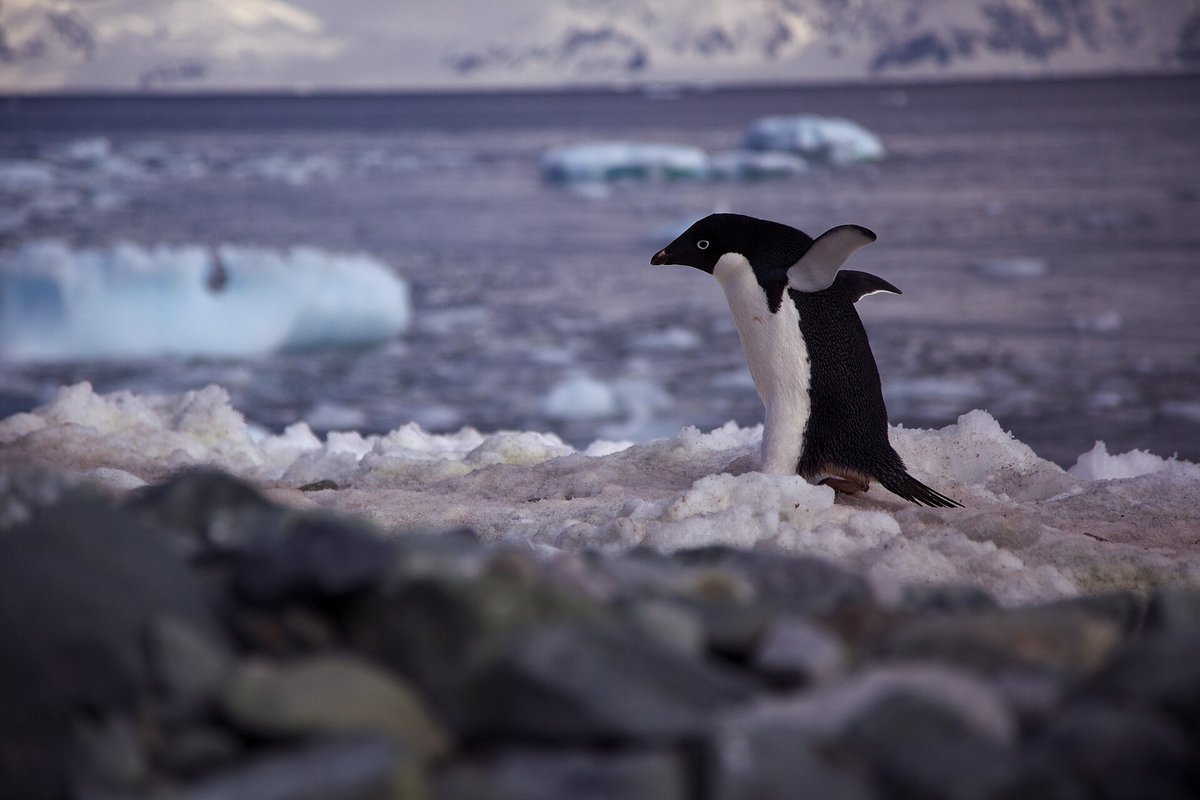
 Adélie Penguin Highway — Ross Sea Antarctica
Cape Royds, Antarctica, AQ