
Giant Panda Habitat — Wolong Reserve Sichuan China
The Wolong National Nature Reserve in Sichuan's Qionglai Mountains is the world's most important wild giant panda (Ailuropoda melanoleuca) habitat — an estimated 150 wild pandas in a 200,000-hectare montane forest of bamboo, fir, and spruce at 1,500–4,000 metres altitude. The China Conservation and Research Centre for the Giant Panda at Hetaoping operates the world's most successful panda breeding programme, and the semi-wild enclosures that prepare cubs for wild release provide panda encounters in more naturalistic settings than any zoo. The surrounding Qionglai Mountains' scenery — bamboo forest, rhododendron cliffs, and the same high-altitude landscape where wild pandas live — creates a context for the encounter that explains the animal's physical and ecological requirements in direct sensory terms. Wild panda footprints, feeding signs, and occasional distant sightings are possible on the reserve's guided tracking walks.
Read more about this spectacle
Standing at the edge of a bamboo-draped slope in the Qionglai Mountains, visitors to Wolong encounter giant pandas in semi-wild enclosures that look and smell like the forest itself — rustling canes, cool mist, and the low crunch of a panda working through a bamboo stalk. The altitude is palpable: thin air, silence broken only by wind in the spruce canopy, and the occasional distant call of birds. At the Hetaoping breeding centre, cubs at various stages of development can be observed in forested paddocks rather than concrete yards, giving a rare sense of the animal in its ecological context. On guided tracking walks through reserve forest, rangers point out claw marks on fir bark, chewed bamboo stems, and panda scats — and on lucky mornings, the dark-and-white shape of a wild individual may be visible on a far ridge. Rhododendron thickets blaze with colour in spring, and the layered mountain scenery from bamboo belt to subalpine fir provides a backdrop that transforms a wildlife encounter into a full landscape experience.
Getting there
Nearest airport: CTU. Nearest city: Chengdu.
More like this.
 Peak season
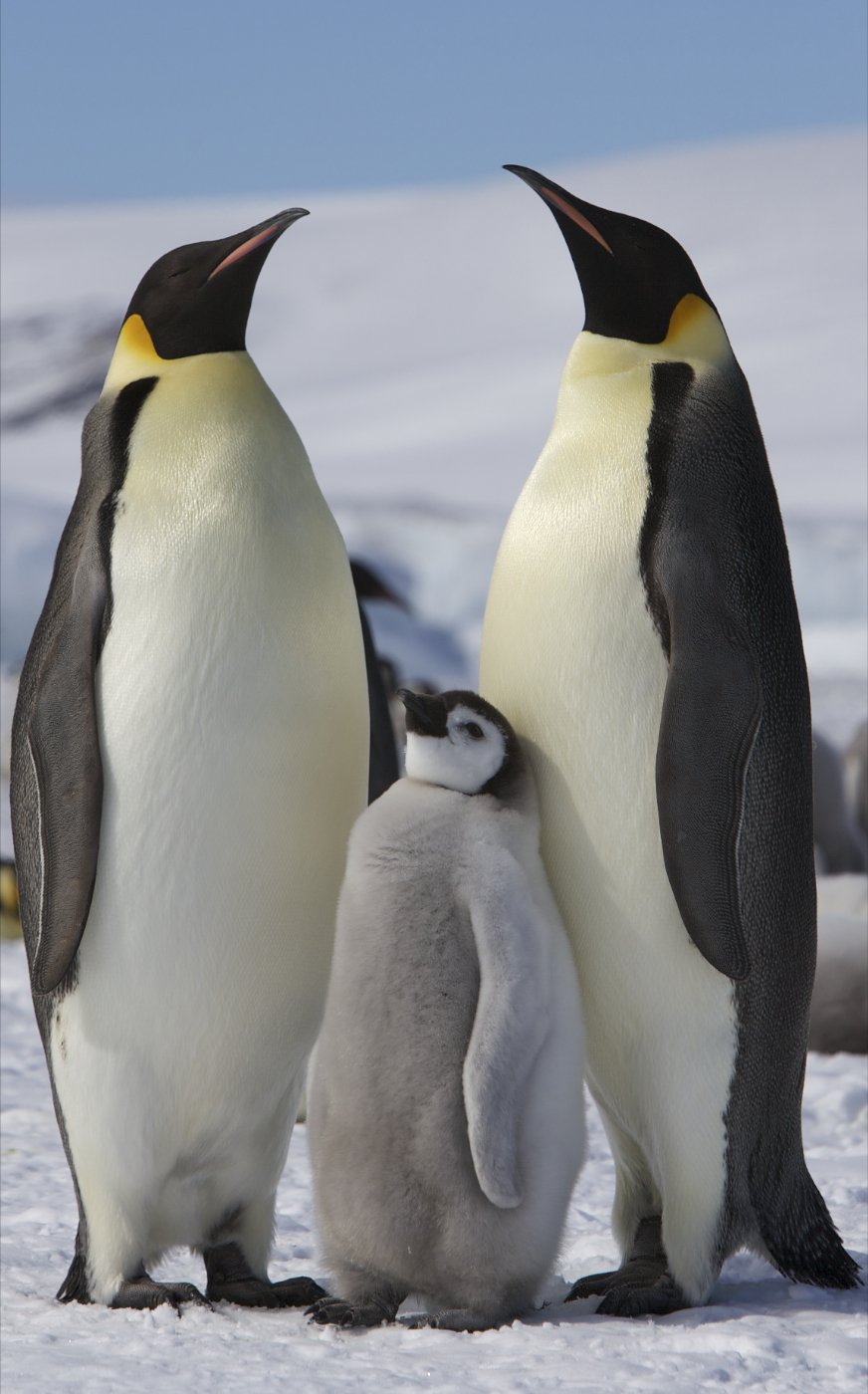
 Emperor Penguin Huddle — Snow Hill Island
Snow Hill Island Landing Site, Antarctic Peninsula, AQ
 Peak season
 Andean Cock-of-the-Rock Lek — Manu Road
Cusco, Peru
 Peak season
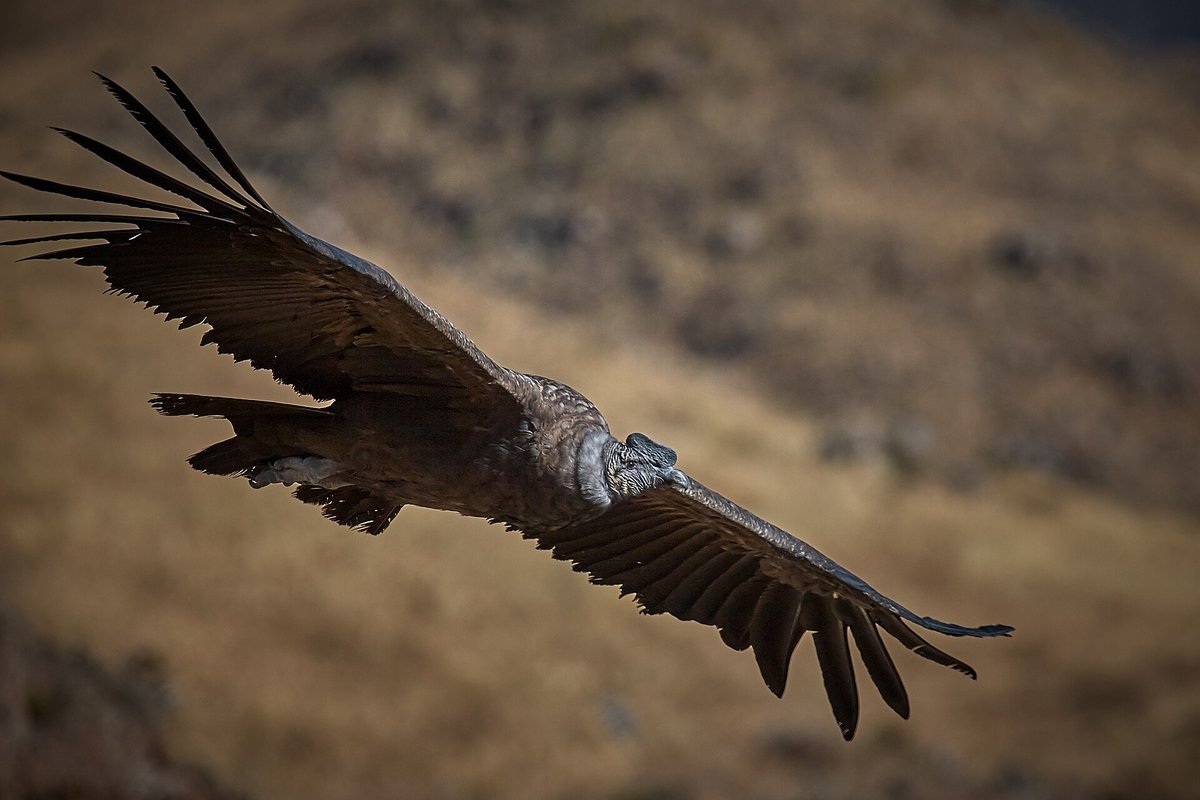
 Andean Condor Colony — Cañón del Colca Peru
Cruz del Condor Viewpoint, Arequipa Region, Peru