
Giant Anteater Foraging — Cerrado Brazil
The giant anteater (Myrmecophaga tridactyla) in the Brazilian Cerrado of the Emas National Park and the Pantanal's margins — a 2-metre-long, 30-kg insectivore whose 60-centimetre tongue makes 150 insertions per minute into termite mounds, consuming 35,000 insects per day — is most reliably encountered on the open Cerrado grassland where the animal's extraordinary silhouette (the enormous head tapering to a narrow snout, the bushy flag-like tail held over the back) is visible from vehicles on the park roads. The giant anteater's combination of its completely distinctive form (no other animal resembles it), its slow walking gait that allows extended vehicle approach, and the termite mound feeding behaviour directly observable at 10-metre range creates one of South America's most reliably encountered and most visually extraordinary large mammals. The Cerrado's maned wolf, marsh deer, and giant armadillo in the same landscape create one of South America's finest endemic grassland wildlife experiences.
About this spectacle
On the sweeping open grasslands of Emas National Park, the giant anteater moves with a slow, deliberate gait that makes it one of South America's most approachable large mammals. Visitors watching from park roads witness the animal's extraordinary silhouette — a massive, wedge-shaped head narrowing to a slender snout, and a bushy, flag-like tail arched over the back — set against the golden Cerrado savanna. At the termite mound, the spectacle becomes intimate: the 60-centimetre tongue flickers in and out at 150 insertions per minute, the animal locked into its feeding routine and tolerant of vehicles closing to within 10 metres. The surrounding landscape adds further rewards — maned wolves trot through the same grasslands, marsh deer graze in the lower ground, and giant armadillos share the termite-rich soils. Morning light on the open plain is ideal, with the anteater's pale-and-dark banded fur catching the low sun. The combination of a uniquely bizarre anatomy, predictable daytime activity, and open sightlines makes this one of the continent's most reliably spectacular wildlife encounters.
When to go
Jan — Dec, peak May — Sep
Getting there
Nearest airport: CGR. Nearest city: Campo Grande.
Booking options
Goyova doesn't process bookings directly. When you tap "Plan this trip" in the app, you'll see options from our partner providers — accommodation, tours, transport — with affiliate links where applicable. See our affiliate disclosure for details.
More like this.
 Peak season
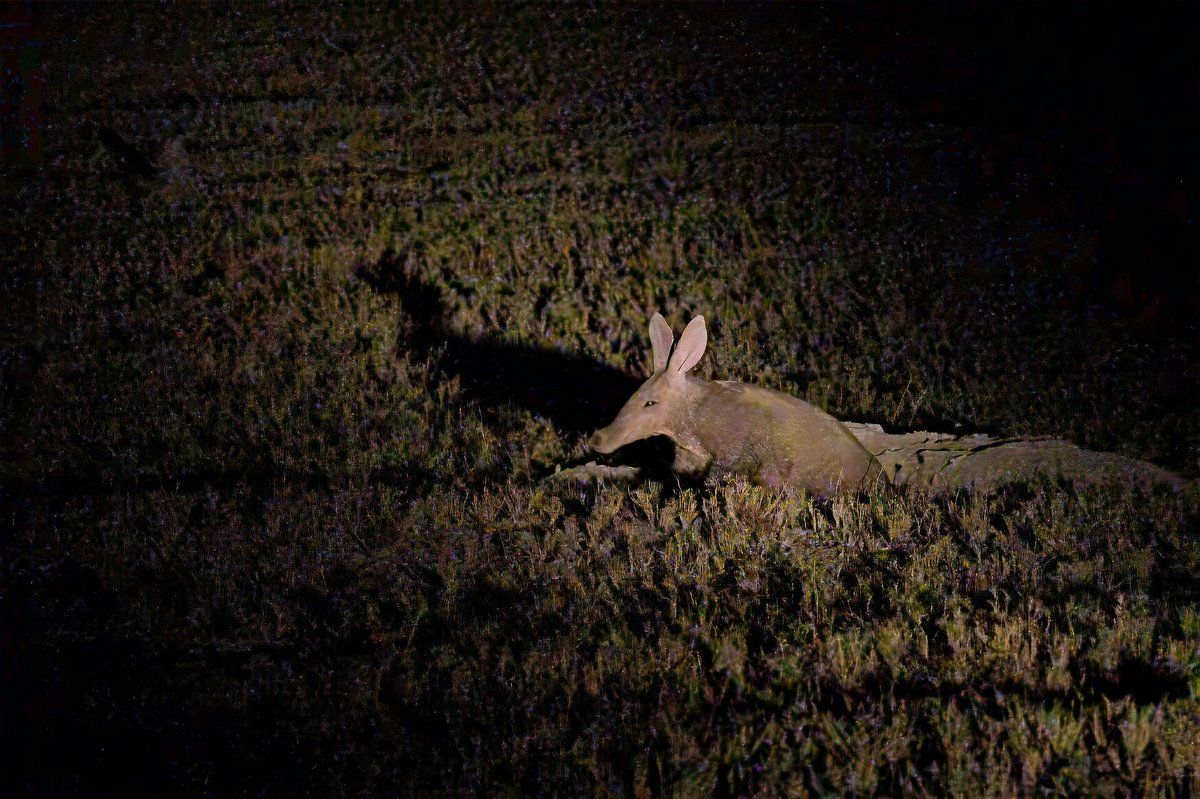
 Aardvark Night Foraging — Kalahari Botswana
Maun, Central District, BW
 Peak season
 Aardvark Night Foraging — Kalahari South Africa
Upington, Northern Cape, South Africa
 Returns Jan 2027
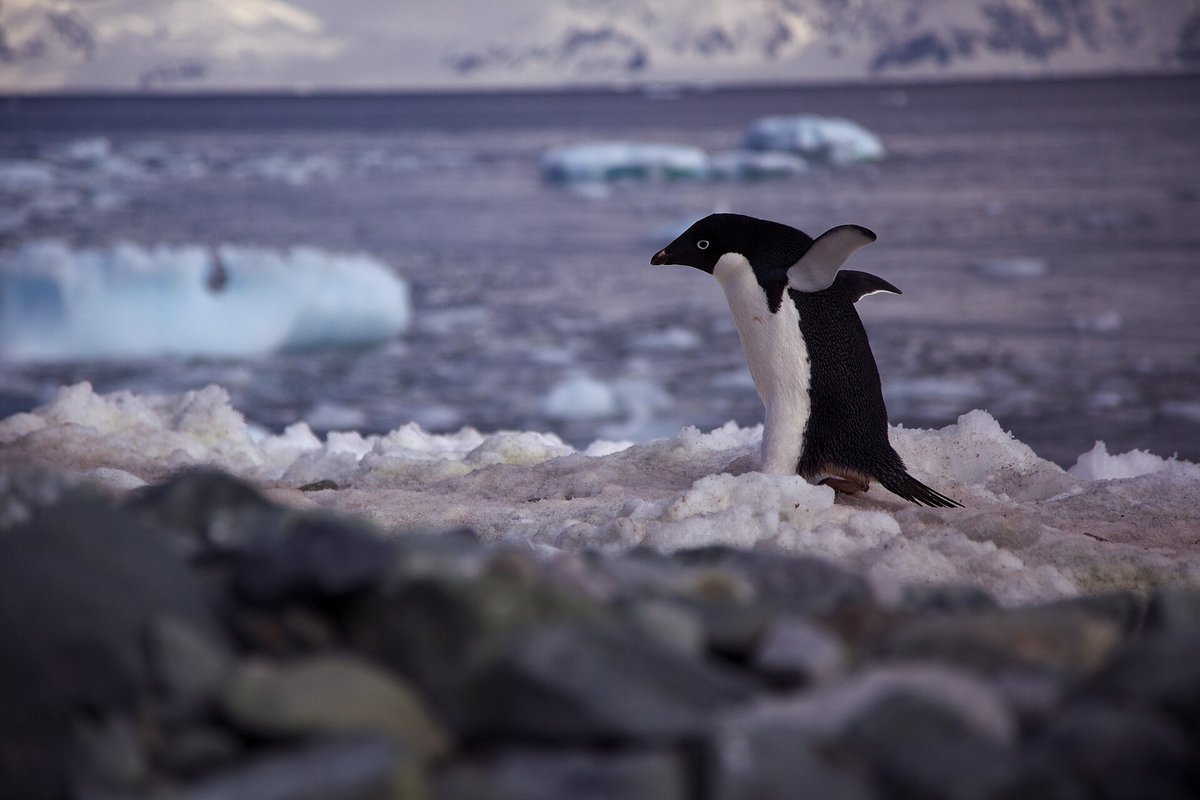
 Adélie Penguin Highway — Ross Sea Antarctica
Cape Royds, Antarctica, AQ