
Flamingo Colony — Fuente Piedra Night
Each winter, the greater flamingo colony at Laguna de Fuente de Piedra in Andalusia creates an extraordinary moonlit spectacle as thousands of birds roost standing in the shallow saline water, their pale-pink silhouettes reflected in the still lake surface under clear winter skies, the colony's continuous low gabbling audible from the observation platforms 200 metres away in the cold Andalusian night. The winter night visits organised by the reserve management allow visitors to experience the colony in a completely different atmospheric register from the daytime spectacle — the birds' behaviour more relaxed, the lake surface mirror-still in the absence of wind, and the combination of moonlight, pink birds, and the silence of the Antequera plain creating a scene of haunting Mediterranean beauty. The flamingos' habit of standing motionless for hours during cold winter nights — conserving heat by standing on one leg with the head tucked under a wing — creates a static sculptural quality to the scene entirely absent from the active daytime colony. The winter flock is smaller than the spring breeding congregation but more densely packed, the birds' pink colouration deepened by the year's feeding, and the near-total absence of other visitors at night creates an intimacy with the colony unavailable during the crowded spring breeding season. The reserve's raised boardwalk provides safe access to the lake shore after dark.
About this spectacle
On winter nights at Laguna de Fuente de Piedra, thousands of greater flamingos stand motionless in the shallow saline water, their pale-pink silhouettes mirrored in a glassy lake surface under moonlight. The colony's continuous low gabbling carries 200 metres to the raised boardwalk observation platform, where visitors stand in the cold Andalusian darkness listening to a sound that feels ancient and otherworldly. Birds conserve heat by standing on one leg, heads tucked beneath wings, creating an almost sculptural stillness entirely unlike the frantic activity of the spring breeding season. The winter flock, smaller but more densely packed than the spring congregation, shows plumage deepened by a full year of feeding. The near-total absence of other visitors at night — these visits are organised by reserve management — lends an intimacy impossible in the crowded daytime. Moonlight catches the water's still surface, blending sky and lake into a single luminous plane of pink and silver. The silence of the surrounding Antequera plain amplifies every small sound from the colony, making the experience as much auditory as visual.
When to go
Oct — Mar, peak Dec — Feb
Getting there
Nearest airport: AGP. Nearest city: Antequera.
Booking options
Goyova doesn't process bookings directly. When you tap "Plan this trip" in the app, you'll see options from our partner providers — accommodation, tours, transport — with affiliate links where applicable. See our affiliate disclosure for details.
More like this.
 Peak season
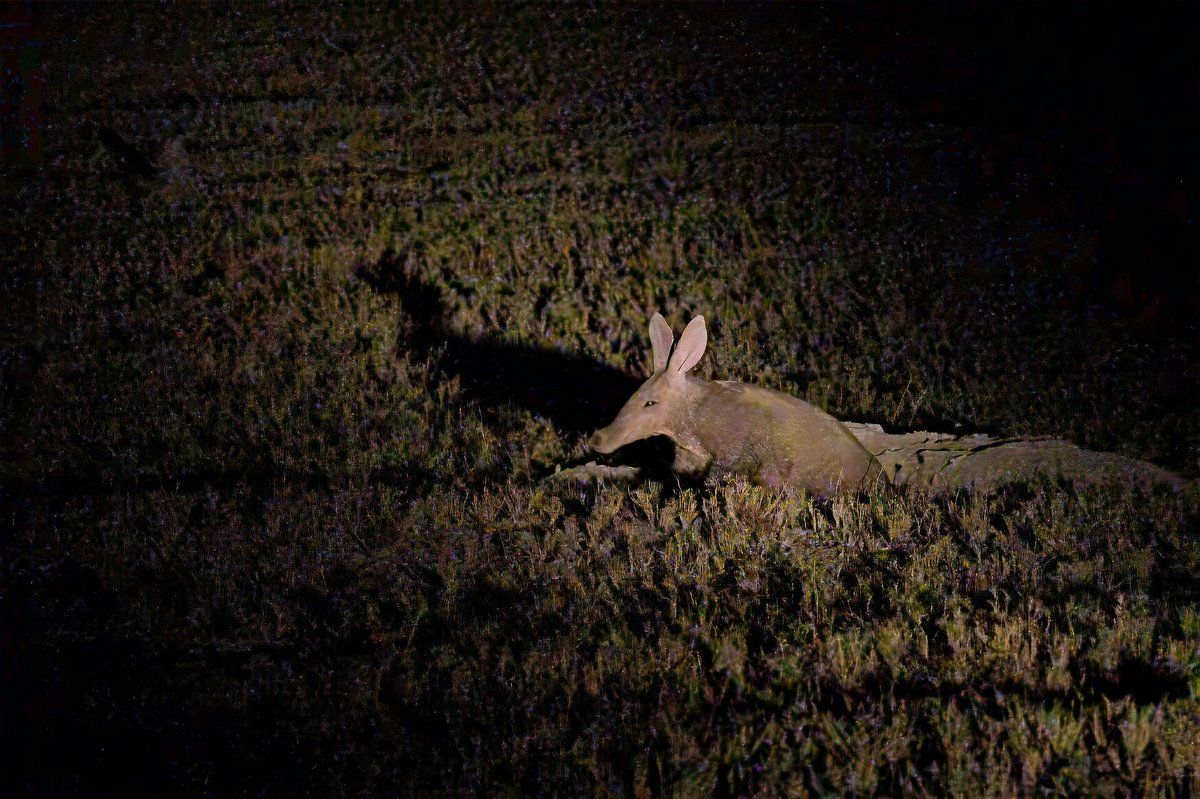
 Aardvark Night Foraging — Kalahari Botswana
Maun, Central District, BW
 Peak season
 Aardvark Night Foraging — Kalahari South Africa
Upington, Northern Cape, South Africa
 Returns Jan 2027
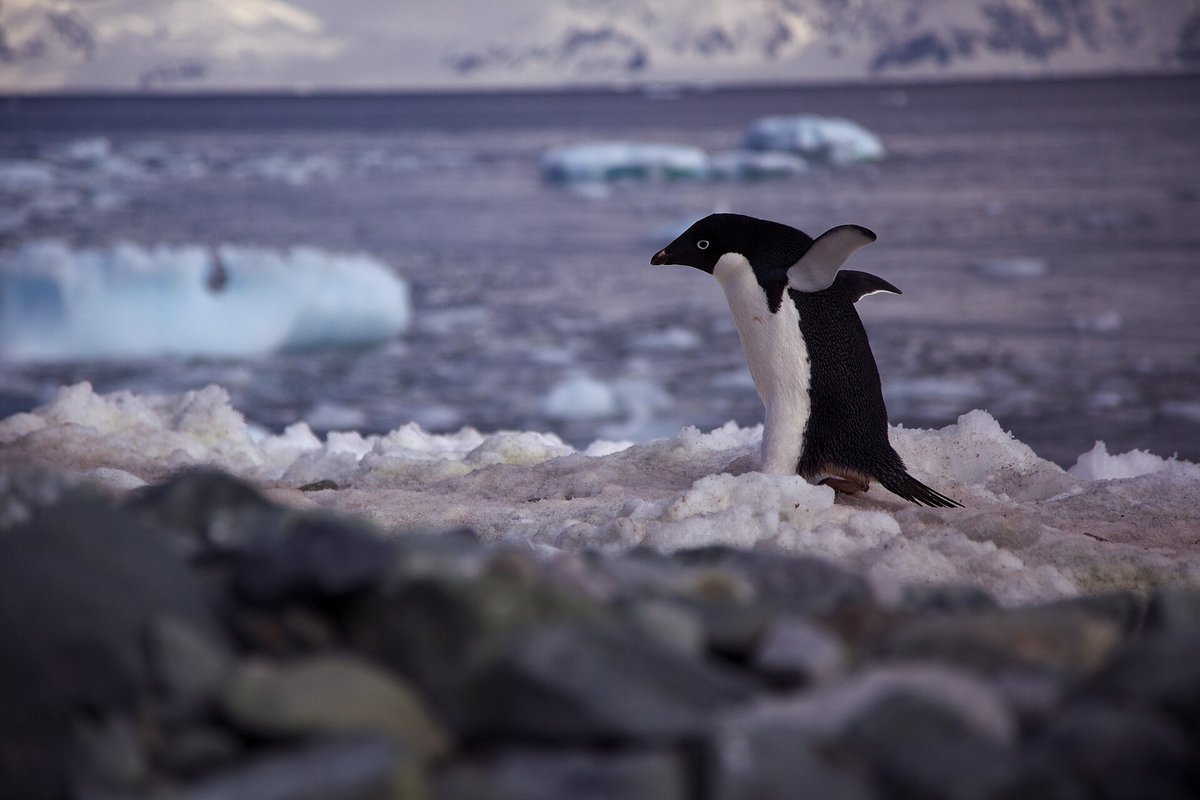
 Adélie Penguin Highway — Ross Sea Antarctica
Cape Royds, Antarctica, AQ