
Desert Elephant Migration — Huanib Valley Namibia
The desert-adapted elephants of Namibia's Kaokoveld — a genetically distinct subpopulation that has evolved specific adaptations for the Namib's extreme aridity, including wider foot pads, longer legs relative to body size, and fat reserves in the forehead — undertake a seasonal migration through the Huanib Valley following ancient paths between water sources that can be 50–70 kilometres apart. The elephants' tracking of subsurface water in dry riverbeds using footpad vibration sensitivity and infrasound communication creates a navigation system of extraordinary sophistication, and their tree-breaking foraging in the Hoanib riparian forest creates the most dramatic elephant habitat modification visible in Africa. Encountering a group of desert elephants in a dry riverbed of the Kaokoveld — their grey forms against the red sand, the dead silence of the desert, the mountains behind — is one of Africa's most remote and quietly overwhelming wildlife experiences.
Read more about this spectacle
In the ancient riverbeds of the Huanib Valley, desert-adapted elephants move in near-silence through a landscape of red sand, weathered rock, and sparse desert vegetation. These are not ordinary elephants — their wider foot pads press softly into the riverbed as they follow subsurface water paths mapped over generations, sometimes walking 50–70 kilometres between sources. Visitors encounter them at dawn, grey shapes materialising against crimson dunes and jagged mountains, the only sounds the creak of thorn trees and the soft percussion of massive feet on sand. The elephants forage in riparian pockets along the Hoanib, snapping and uprooting trees in ways that reshape the entire corridor. The landscape is profoundly remote — no fences, no crowds, no infrastructure — just the desert's silence and animals that have learned, over centuries, to survive where others cannot. The experience is unhurried, intimate, and quietly overwhelming in a way that busier safari destinations rarely achieve.
Getting there
Nearest airport: WDH. Nearest city: Opuwo.
More like this.
 Peak season
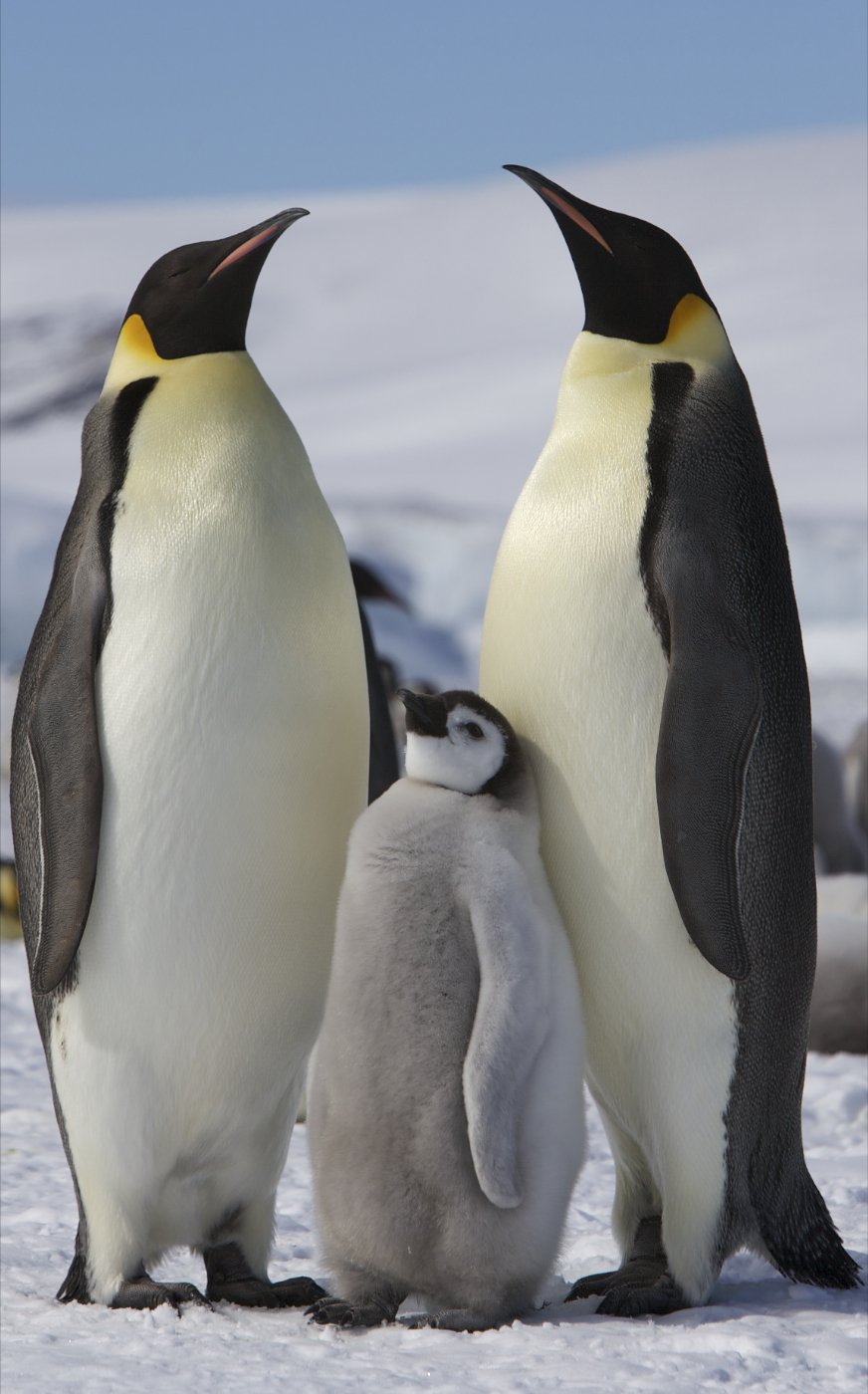
 Emperor Penguin Huddle — Snow Hill Island
Snow Hill Island Landing Site, Antarctic Peninsula, AQ
 Peak season
 Andean Cock-of-the-Rock Lek — Manu Road
Cusco, Peru
 Peak season
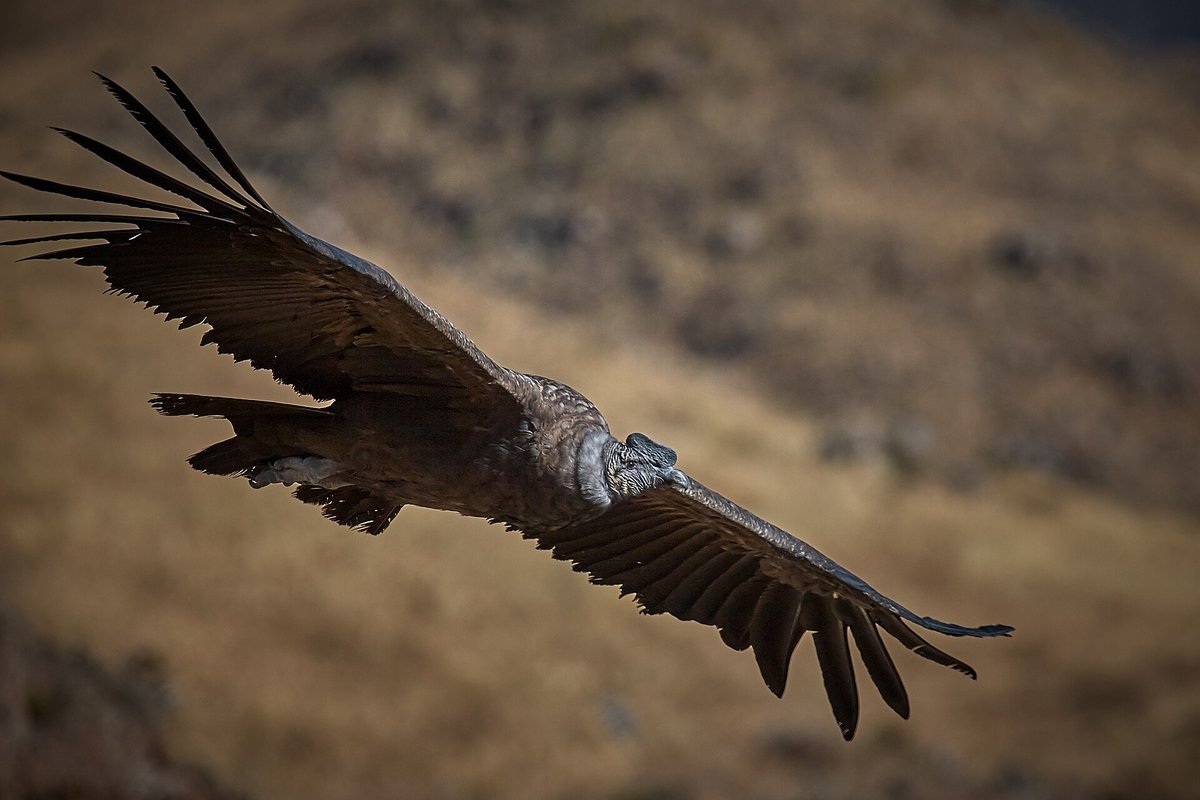
 Andean Condor Colony — Cañón del Colca Peru
Cruz del Condor Viewpoint, Arequipa Region, Peru