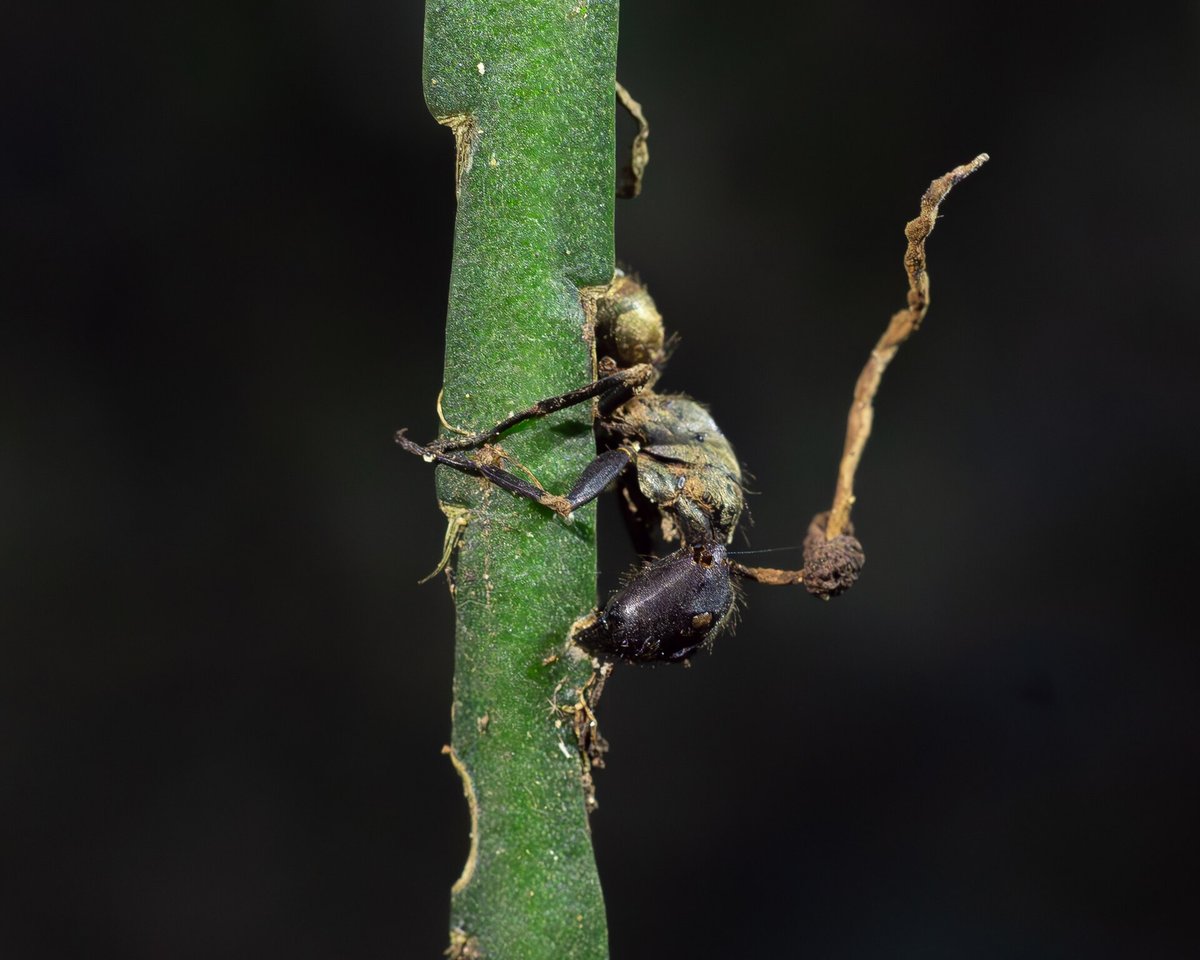
Cordyceps Zombie Fungus — Tibet Sichuan China
The ophiocordyceps sinensis fungus (yartsa gunbu in Tibetan, 'summer grass, winter worm') — the parasitic fungus that infects ghost moth larvae underground in the Tibetan Plateau and Himalayan alpine meadows, replacing the insect's tissue with fungal mycelium before sending a fruiting body from the larva's head through the soil surface — is harvested annually from April through June by Tibetan, Nepalese, and Bhutanese communities in the world's most valuable wild-harvested fungal product (weight for weight more expensive than gold). The harvest scene on the Tibetan plateau — families of harvesters working on hands and knees across the alpine meadow, systematically checking each square metre of soil for the distinctive brown fruiting body protruding from the grass — and the dramatic landscape of the 4,000-metre+ plateau with its yak herds, yellow poppy fields, and blue sky creates one of Central Asia's most extraordinary cultural-natural spectacles.
About this spectacle
On the vast Tibetan Plateau above 4,000 metres, April through June brings a remarkable human spectacle: communities of Tibetan harvesters fan out across alpine meadows, moving on hands and knees across the short grass, scanning each square metre for the slender brown fruiting body of Ophiocordyceps sinensis emerging from the soil — the telltale sign of an infected ghost moth larva below. The parasite replaces the insect's tissues with mycelium before pushing a single finger-like stalk through the ground surface, a biological drama played out invisibly underground through winter. Above ground, the scene is visually arresting: lines of brightly dressed harvesters against a sweeping plateau landscape, yak herds grazing the distance, yellow poppies punctuating the meadow, and the intense blue sky of high altitude. Finding each specimen is painstaking and requires a trained eye — most visitors will not spot a single fruiting body unaided. The combination of extraordinary natural biology, the intensity of the harvest culture, and the raw Himalayan landscape elevation makes this one of the most distinctive spectacles in Central Asia.
When to go
Apr — Sep, peak Apr — Jun
Getting there
Nearest airport: YUS. Nearest city: Yushu.
Booking options
Goyova doesn't process bookings directly. When you tap "Plan this trip" in the app, you'll see options from our partner providers — accommodation, tours, transport — with affiliate links where applicable. See our affiliate disclosure for details.
More like this.
 Peak season
 Aardvark Night Foraging — Kalahari Botswana
Maun, Central District, BW
 Peak season
 Aardvark Night Foraging — Kalahari South Africa
Upington, Northern Cape, South Africa
 Returns Jan 2027
 Adélie Penguin Highway — Ross Sea Antarctica
Cape Royds, Antarctica, AQ