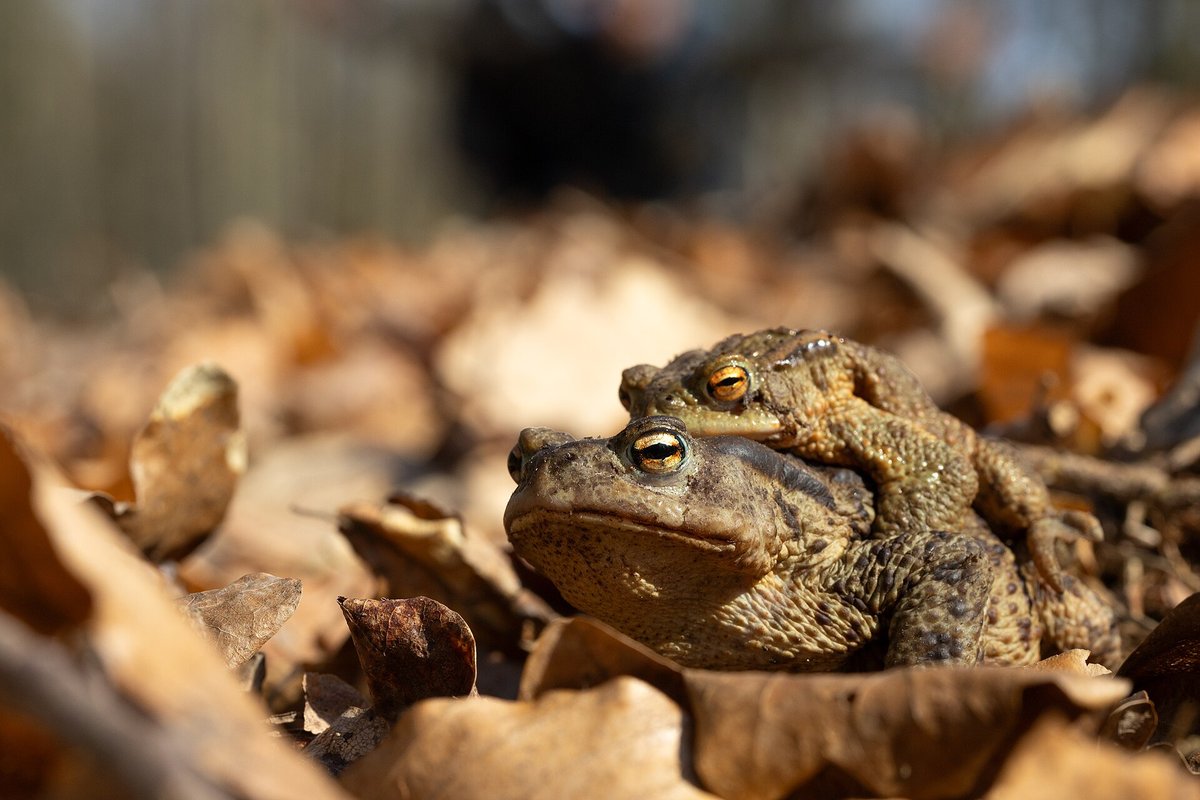
Common Toad Migration — Lüneburg Heath
Each late February and March, hundreds of thousands of common toads emerge from their winter hibernation sites across the Lüneburg Heath and migrate overland to their ancestral breeding ponds in one of Germany's most remarkable and under-appreciated wildlife events — with toad-crossing stations staffed by volunteers moving animals in buckets across roads where migration routes intersect highways, creating one of Europe's most endearing conservation spectacles. On warm wet nights in late February, the first toads appear on forest tracks and road surfaces, males riding piggyback on females in their thousands in a migration so dense that certain road sections are temporarily closed. The Lüneburg Heath's network of ancient heath ponds and lowland beech forests creates a particularly rich toad migration landscape, and roadside ponds that attract large congregations can host a thousand amplexus pairs simultaneously, the water covered in a writhing mass of toads and the surrounding area filled with the quiet purring calls of the males. Children participating in the bucket brigades at toad-crossing stations — recording counts, moving animals, and learning hands-on conservation biology — create one of Germany's most accessible and participatory wildlife experiences. The Heide landscape in earliest spring, with the toads moving through frost-hardened heather under pale morning light, has a primordial atmosphere unlike any other German season.
About this spectacle
On warm, wet nights from late February into March, hundreds of thousands of common toads emerge across the Lüneburg Heath and move overland to ancestral breeding ponds in one of Europe's most remarkable amphibian migrations. Observers encounter toads on forest tracks and road surfaces in extraordinary density — males clinging to females in amplexus, moving through frost-hardened heather under pale early-spring light. At roadside ponds, up to a thousand amplexus pairs may crowd the water simultaneously, the surface writhing with movement while quiet purring calls fill the surrounding air. Where migration routes cross roads, volunteer-staffed toad-crossing stations operate bucket brigades, and certain road sections are temporarily closed on peak nights. Children and families participate directly in recording counts and moving animals by hand, making this one of Germany's most participatory wildlife events. The ancient heath ponds and lowland beech forests provide a primordial backdrop unlike any other German season — raw, quiet, and alive with small creatures on urgent purpose.
When to go
Feb — Mar
Getting there
Nearest airport: HAM. Nearest city: Hamburg.
Booking options
Goyova doesn't process bookings directly. When you tap "Plan this trip" in the app, you'll see options from our partner providers — accommodation, tours, transport — with affiliate links where applicable. See our affiliate disclosure for details.
More like this.
 Peak season
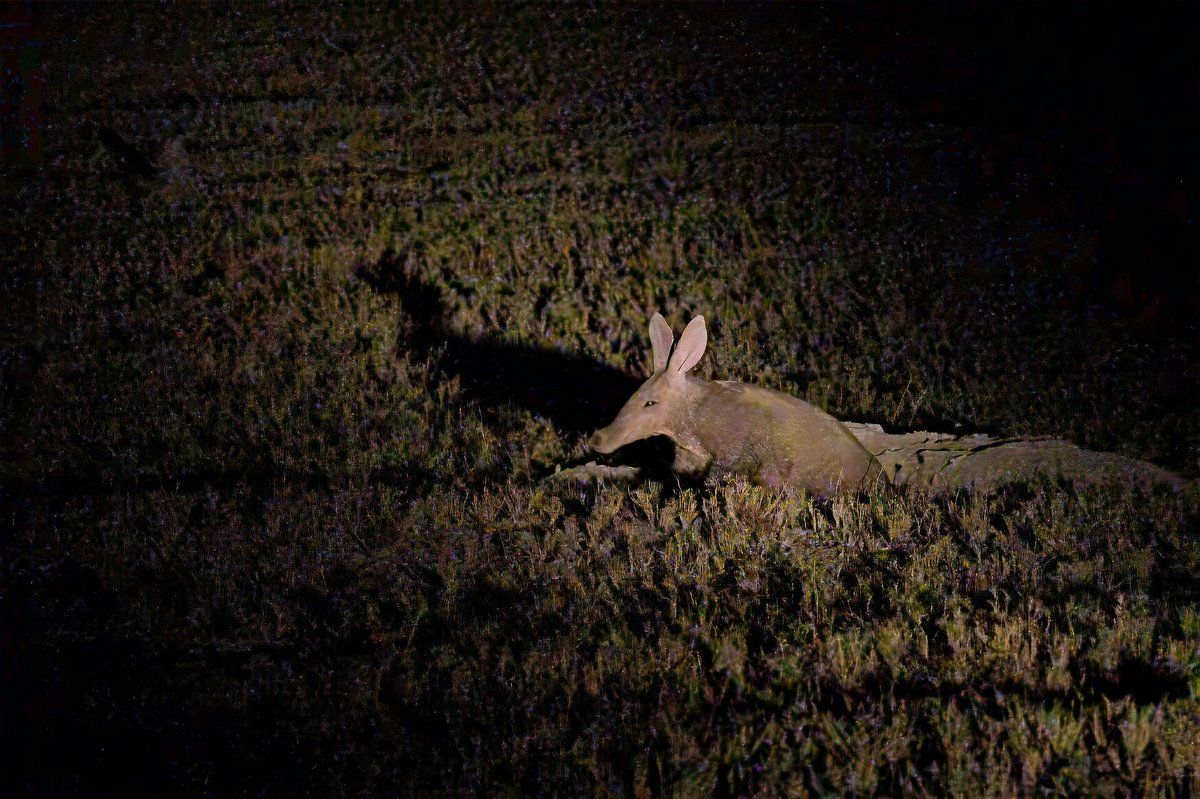
 Aardvark Night Foraging — Kalahari Botswana
Maun, Central District, BW
 Peak season
 Aardvark Night Foraging — Kalahari South Africa
Upington, Northern Cape, South Africa
 Returns Jan 2027
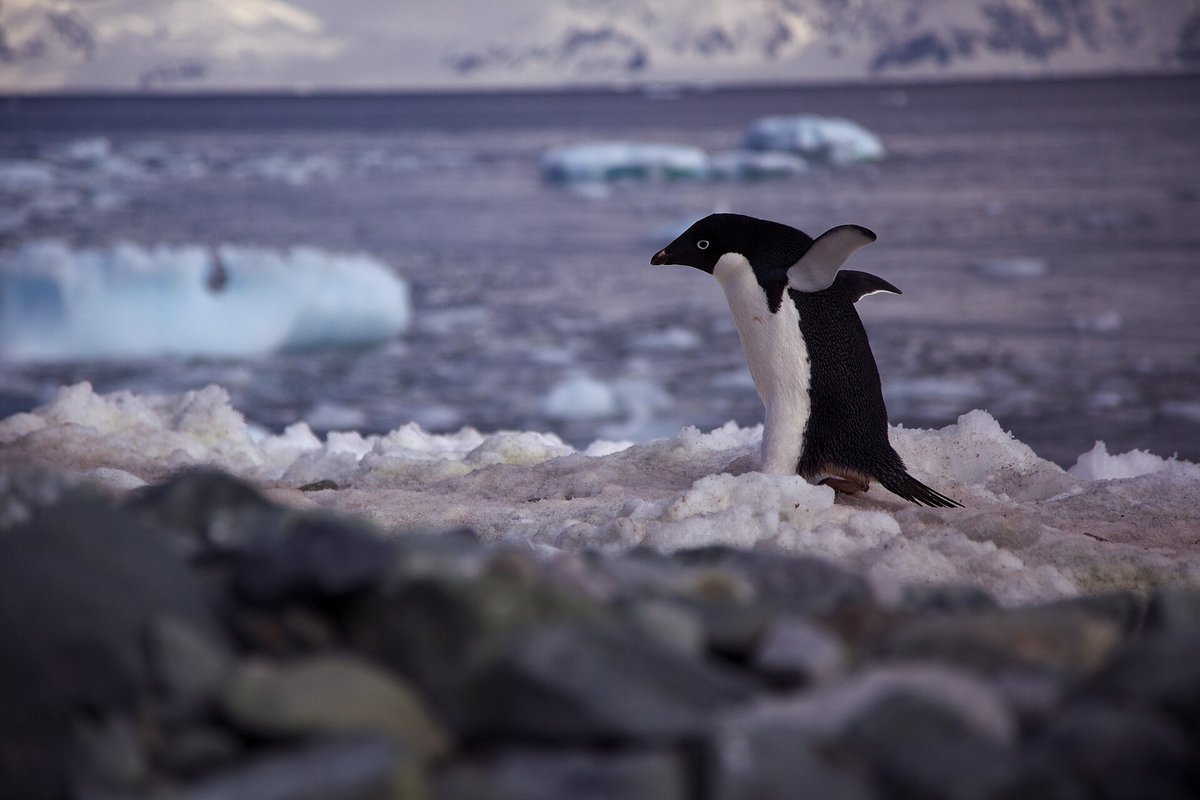
 Adélie Penguin Highway — Ross Sea Antarctica
Cape Royds, Antarctica, AQ