
Cherry Blossom Front — Kyoto Maruyama
Each late March and early April, the weeping cherry tree at the heart of Kyoto's Maruyama Park — a single enormous shidarezakura estimated at 80 years old and illuminated by lanterns each evening during hanami season — draws thousands of visitors nightly to witness one of Japan's most celebrated single-tree spectacles, the cascading pink blossom hanging in curtains around the illuminated trunk against the black night sky creating a composition of heart-stopping beauty that encapsulates the Japanese aesthetic of mono no aware — the bittersweet awareness of transience. The Maruyama cherry's nightly illumination, combined with the surrounding park's hundreds of supporting trees in various stages of bloom, creates a hanami experience of layered botanical and cultural richness entirely different from daytime viewing — the lantern-lit petals glowing against darkness, the fragrance concentrated by the cool night air, and the crowds of kimono-wearing visitors picnicking beneath the trees creating a cultural event of genuine theatrical power. The proximity of Maruyama to Kyoto's Gion district — where maiko and geiko in full costume move between ochaya teahouses against a backdrop of cherry blossom — adds a layer of living cultural heritage to the botanical spectacle available nowhere else in Japan. The precise peak varies by up to three weeks between years and following the blossom front north from Kyushu to Hokkaido extends the season to two months of chasing one of the world's most beloved natural events.
About this spectacle
As dusk falls over Maruyama Park, lanterns flicker to life beneath an 80-year-old weeping cherry tree — one of Japan's most celebrated shidarezakura — whose cascading pink boughs hang in curtains around the illuminated trunk against the black night sky. The cool air concentrates the blossoms' delicate fragrance while the lantern-lit petals seem to glow from within, creating a composition of extraordinary visual and sensory power. Hundreds of supporting trees at various bloom stages fill the park around the centrepiece tree, so visitors move through layers of pink and white. Crowds gather nightly during the brief hanami season — some in kimono, many picnicking beneath the branches — lending a warmth and festivity that turns a botanical event into a communal celebration. Steps away, Gion's wooden machiya frame blossom-lined lanes. The spectacle's beauty is inseparable from its brevity: petals begin falling within days of full bloom, and the awareness of that transience gives the experience its particular emotional charge.
When to go
Jan — Dec, peak Mar — Apr
Getting there
Nearest airport: ITM. Nearest city: Kyoto.
Booking options
Goyova doesn't process bookings directly. When you tap "Plan this trip" in the app, you'll see options from our partner providers — accommodation, tours, transport — with affiliate links where applicable. See our affiliate disclosure for details.
More like this.
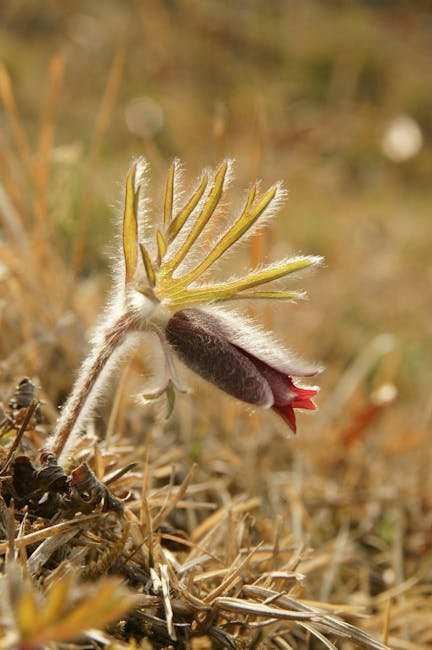 Peak season
 Adonisröschen-Blüte Karlstadter Trockenrasen
Germany
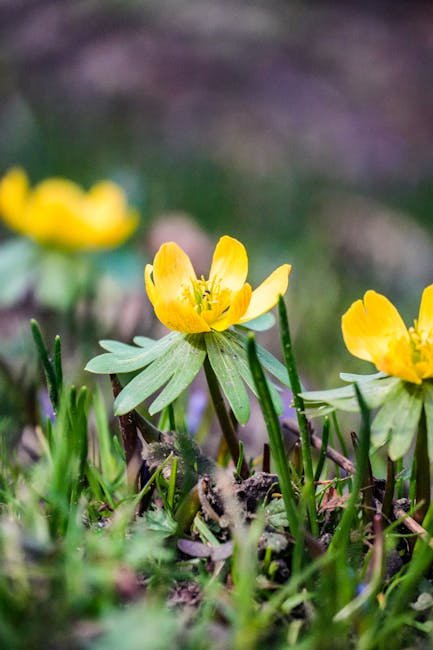 Peak season
 Adonisröschen-Blüte Kyffhäuser
Germany
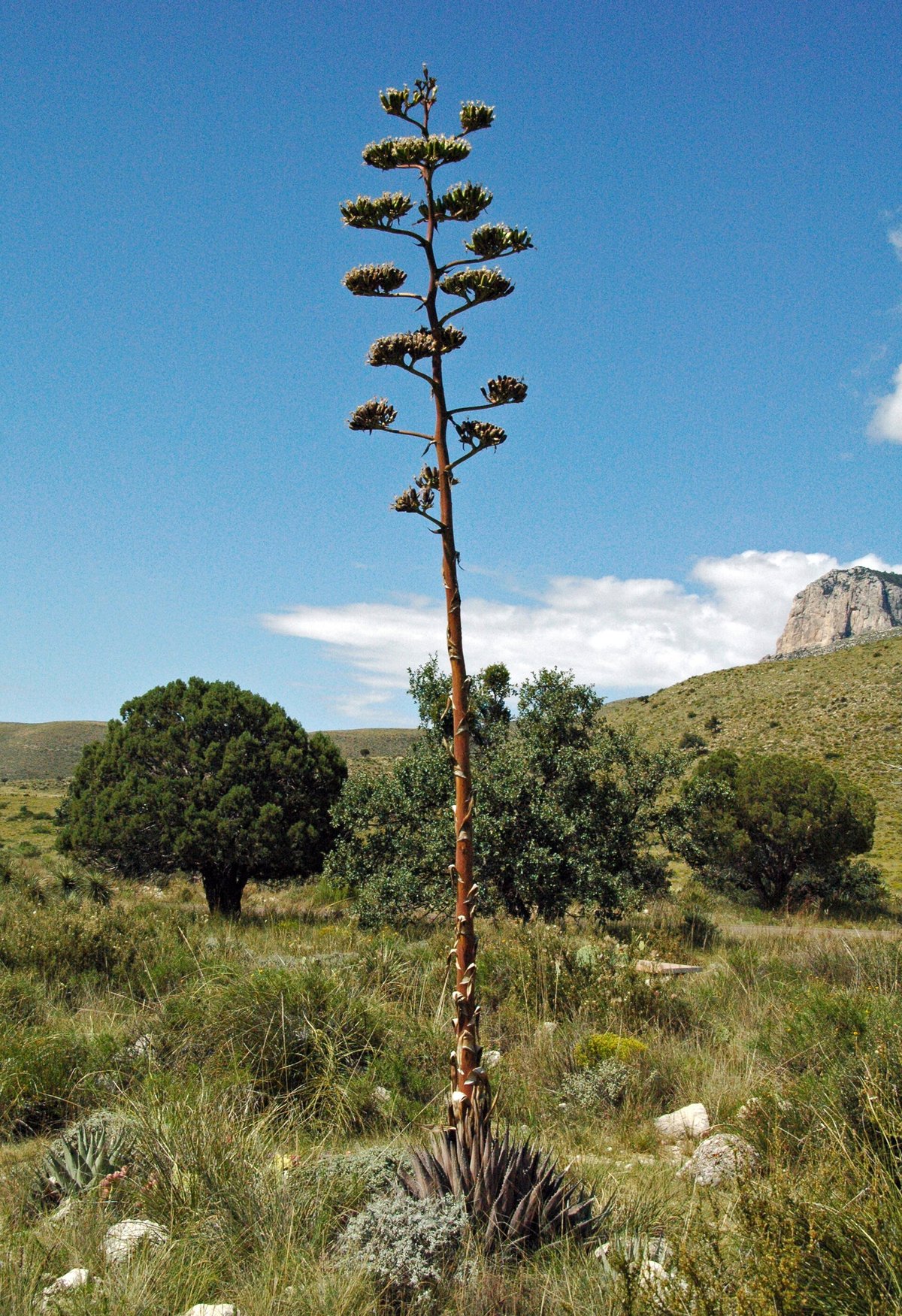 Peak season
 Agave Century Plant Mass Bloom — Oaxaca Mexico
Oaxaca City, Oaxaca, Mexico