
Chameleon Night Walk — Ranomafana Madagascar
Each night in the rainforests of Ranomafana National Park in southern Madagascar, guided torch walks reveal a concentration of chameleon species unmatched anywhere on Earth — Madagascar harbours over half the world's 220 chameleon species and the Ranomafana forest produces nightly encounters with Parson's chameleon, Oustalet's chameleon, and a dozen smaller species sleeping on branches in their ghostly night-white colouration, their eyes independently mobile and their prehensile tails loosely coiled in motionless sleep. The chameleon's adaptation to sleep on exposed branches — their pale sleeping colour serving as camouflage against the light sky when seen from below by nocturnal predators — creates a forest spectacle of extraordinary photographic accessibility, the sleeping animals completely still and tolerant of torchlight at close range. Ranomafana's night walks also produce encounters with the aye-aye — the world's most unusual primate, whose bat-like ears, elongated middle finger, and rodent-like teeth create an appearance so alarming that Madagascar's Malagasy people consider it an omen of death — creating a night walk of combined chameleon and lemur riches available nowhere outside Madagascar. The surrounding Ranomafana forest's extraordinary biodiversity — discovered to science only in the 1980s when the golden bamboo lemur was found here — adds the frisson of scientific novelty to every encounter. The park's waterfalls and rushing rivers create a backdrop of considerable beauty for the nocturnal forest walks.
About this spectacle
Each night in Ranomafana National Park, guided torch walks transform the rainforest into a gallery of living sculpture. Chameleons — sleeping on exposed branches in ghostly white colouration — hang motionless and serene, their prehensile tails loosely coiled, their independently mobile eyes still for once. Parson's chameleon, one of the world's largest, shares branches with Oustalet's and a dozen smaller species, all completely tolerant of torchlight and close approach. The stillness of sleeping chameleons makes photography unusually rewarding: subjects do not flee, and the contrast of pale animal against dark forest creates compelling images. Beyond chameleons, the same walks may produce an aye-aye encounter — a creature so strange, with its bat-like ears and elongated finger, that it feels genuinely prehistoric. Ranomafana's rushing rivers and waterfalls provide a constant sound backdrop, and the forest's extraordinary density of endemic life — much of it undescribed before the 1980s — gives every step the feeling of genuine discovery.
When to go
Jan — Dec
Getting there
Nearest airport: TNR. Nearest city: Fianarantsoa.
Booking options
Goyova doesn't process bookings directly. When you tap "Plan this trip" in the app, you'll see options from our partner providers — accommodation, tours, transport — with affiliate links where applicable. See our affiliate disclosure for details.
More like this.
 Peak season
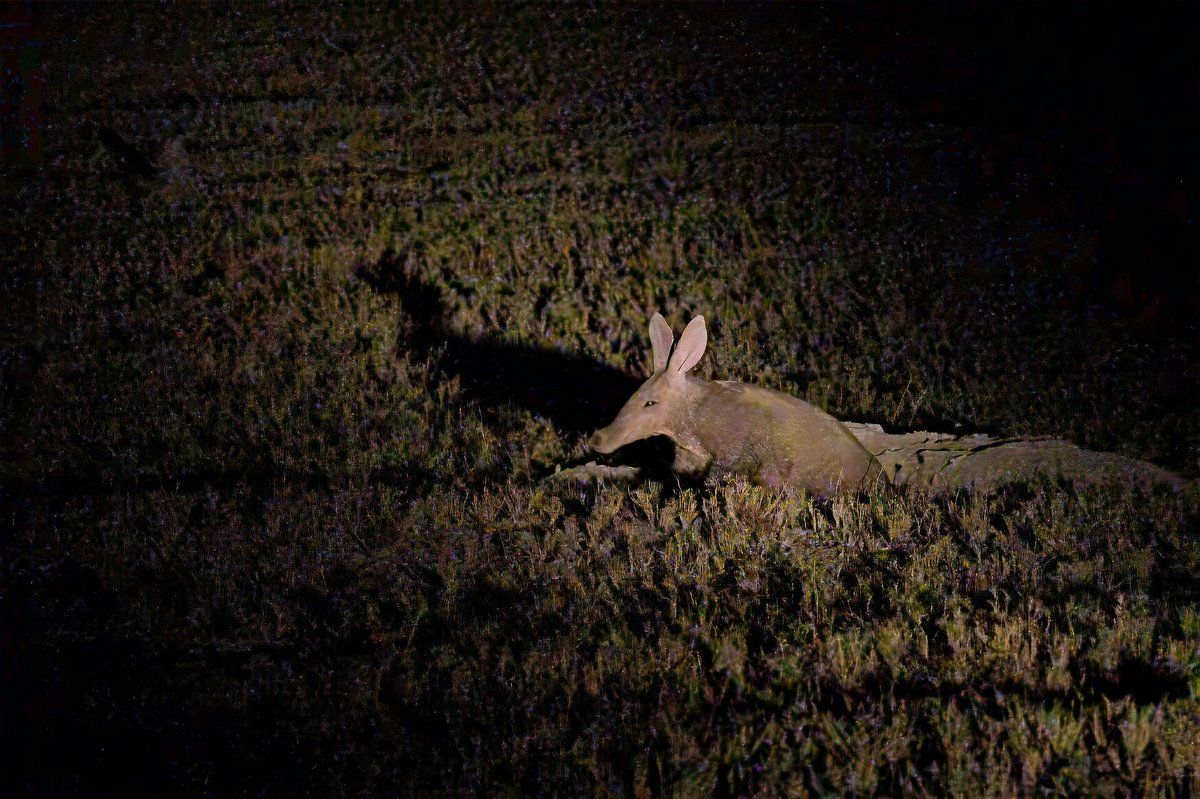
 Aardvark Night Foraging — Kalahari Botswana
Maun, Central District, BW
 Peak season
 Aardvark Night Foraging — Kalahari South Africa
Upington, Northern Cape, South Africa
 Returns Jan 2027
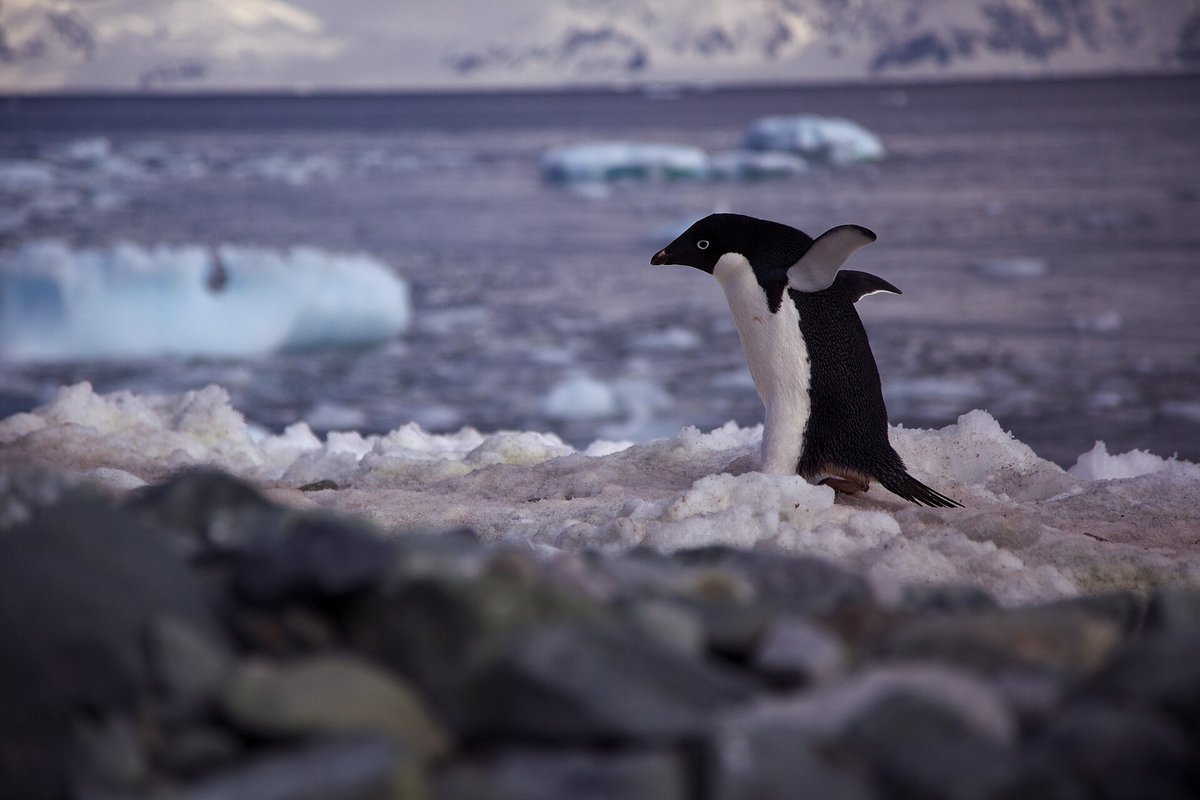
 Adélie Penguin Highway — Ross Sea Antarctica
Cape Royds, Antarctica, AQ