
Bottlenose Dolphin — Bay of Biscay
The deep submarine canyons of the Bay of Biscay off the Basque and Cantabrian coasts of Spain and France create an upwelling system that supports the highest density of cetaceans in European waters, with ferry crossings from Bilbao or Santander to Portsmouth offering a reliable eight-hour pelagic wildlife experience through waters where common dolphins, striped dolphins, bottlenose dolphins, fin whales, sperm whales, and Cuvier's beaked whales can all be encountered in a single crossing. Up to 2,000 common dolphins in a single supra-pod may escort the ferry for extended periods, surfing the bow wave in tight formation while their young leap repeatedly beside the hull in a display of pure exuberance. The deep-water Cantabrian shelf-edge produces the cetacean density that rivals anything in the open ocean, yet is accessible by a scheduled passenger ferry that requires no specialist knowledge or sea skills. Autumn crossings in September and October offer the greatest variety and the highest sighting frequency. The Biscay whale-watching route is one of Europe's best-kept wildlife secrets, hiding in plain sight on a standard commercial ferry route.
About this spectacle
Standing on the deck of a scheduled passenger ferry crossing the Bay of Biscay, visitors scan an expanse of deep Atlantic blue carved by submarine canyons that funnel nutrients upward from the abyss. Common dolphins arrive first — sometimes in superpods of up to 2,000 animals — rushing the bow wave in tight, synchronised formations while calves leap repeatedly alongside the hull. Striped dolphins slice through the wake in brilliant arcs, and bottlenose dolphins cruise with unhurried confidence beside the ship. Scan the open water further out and fin whales surface with their asymmetric colouring, while distant blows hint at sperm whales descending into the canyon depths. Cuvier's beaked whales — elusive even in specialist pelagic surveys — appear here with remarkable regularity. The eight-hour crossing unfolds like a moving transect across one of Europe's richest cetacean corridors. Autumn mornings in September and October bring the greatest variety, with sightings almost guaranteed. No tender, no wildlife boat, no specialist permit: just a ferry ticket and binoculars.
When to go
Jan — Dec, peak Sep — Oct
Getting there
Nearest airport: BIO. Nearest city: Santander.
Booking options
Goyova doesn't process bookings directly. When you tap "Plan this trip" in the app, you'll see options from our partner providers — accommodation, tours, transport — with affiliate links where applicable. See our affiliate disclosure for details.
More like this.
 Peak season
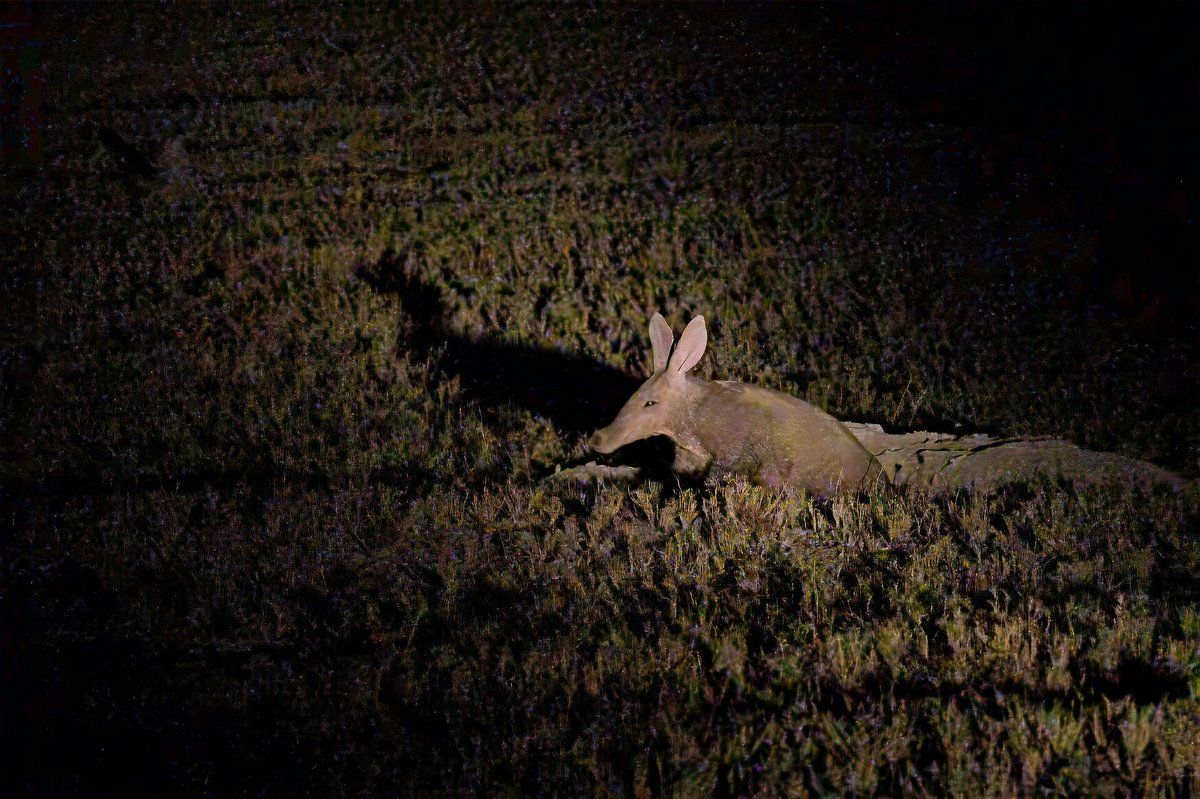
 Aardvark Night Foraging — Kalahari Botswana
Maun, Central District, BW
 Peak season
 Aardvark Night Foraging — Kalahari South Africa
Upington, Northern Cape, South Africa
 Returns Jan 2027
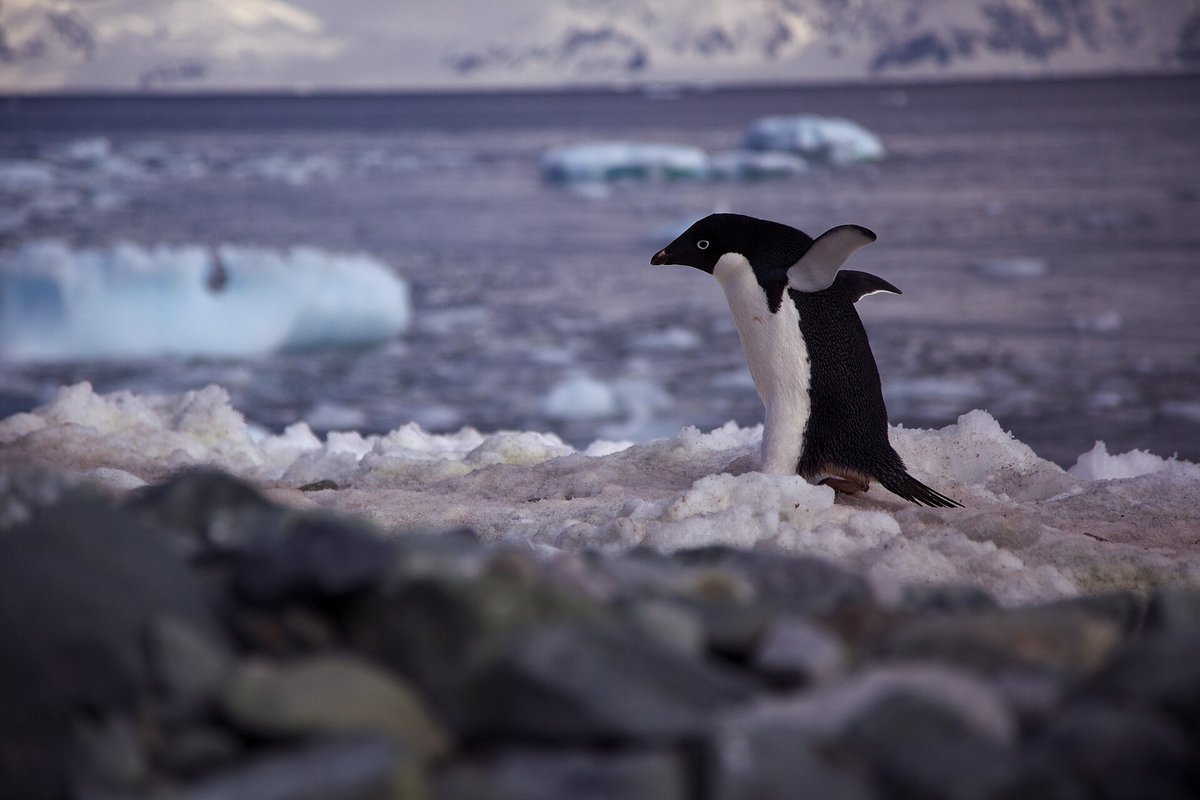
 Adélie Penguin Highway — Ross Sea Antarctica
Cape Royds, Antarctica, AQ