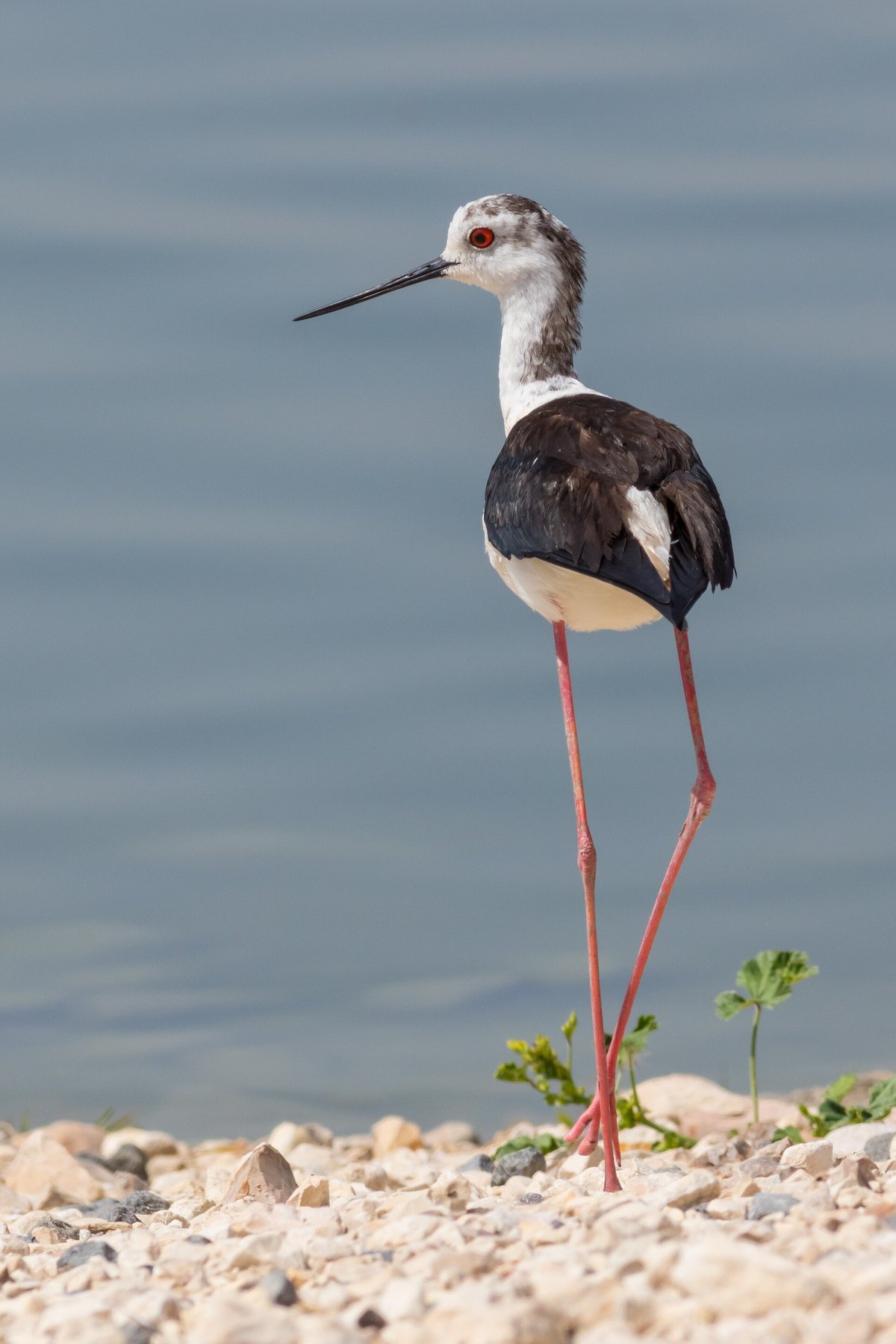
Black-Winged Stilt Colony — Algarve Ria Formosa
Each spring and summer, the Ria Formosa lagoon system of the eastern Algarve hosts the largest black-winged stilt colony in Portugal — elegant black-and-white waders with extraordinary candy-pink legs that nest on the salt marsh islets and shallow lagoon edges in noisy, highly visible colonies that are among the most accessible and photogenic bird encounters on the Iberian Peninsula. The stilts are joined in the Ria Formosa by breeding avocets, purple gallinules, little terns, and Kentish plovers nesting across a 60-kilometre lagoon system of sandbar channels, salt pan pools, and dune island beaches that creates one of southern Europe's finest shorebird habitats. The Ria Formosa's combination of exceptional bird diversity, warm Algarve sunshine, the distinctive Portuguese fishing villages of Olhão and Tavira, and the relatively low tourist awareness of the reserve's wildlife creates an outstanding spring and early summer wildlife destination immediately behind the famous Algarve beaches. Cycle paths along the lagoon edge allow unhurried observation of the stilt colonies at close range, and the ferry services to the barrier islands cross the lagoon at bird-feeding tide levels. The purple gallinule — a brilliantly coloured rail of iridescent blue-purple — can be seen walking openly on lagoon margins at Ludo and Quinta do Lago.
About this spectacle
In the warm spring and early summer light of Portugal's eastern Algarve, the Ria Formosa lagoon erupts with the spectacle of its black-winged stilt colonies — elegant, almost surreal birds whose candy-pink legs catch the sunlight as they pick their way across shallow salt pan pools and marsh islets. The stilts nest in noisy, highly visible groups alongside breeding avocets, little terns, Kentish plovers, and the jewel of the reserve, the iridescent blue-purple gallinule. The 60-kilometre lagoon system unfolds across sandbar channels, dune island beaches, and traditional salt pans framed by the rooftops of Olhão and Tavira. Cycle paths trace the lagoon edge, bringing visitors within easy metres of nesting birds, while ferry crossings to the barrier islands pass directly through active feeding zones at the best tide levels. Dawn light across still lagoon water, reflected pink legs, and the constant piping calls of dozens of stilts combine into one of southern Europe's most rewarding and unhurried shorebird experiences — with remarkably few crowds relative to the wildlife on offer.
When to go
Mar — Oct, peak Apr — Jul
Getting there
Nearest airport: FAO. Nearest city: Faro.
Booking options
Goyova doesn't process bookings directly. When you tap "Plan this trip" in the app, you'll see options from our partner providers — accommodation, tours, transport — with affiliate links where applicable. See our affiliate disclosure for details.
More like this.
 Peak season
 Aardvark Night Foraging — Kalahari Botswana
Maun, Central District, BW
 Peak season
 Aardvark Night Foraging — Kalahari South Africa
Upington, Northern Cape, South Africa
 Returns Jan 2027
 Adélie Penguin Highway — Ross Sea Antarctica
Cape Royds, Antarctica, AQ