
Black Rhino Tracking — Damaraland
The Palmwag Conservancy in Damaraland, Namibia, hosts the world's largest free-ranging population of black rhino outside a fenced reserve — around 200 animals moving freely across 5,600 square kilometres of rugged desert-adapted bush and dry riverbeds — and guided tracking expeditions on foot with Damara community trackers produce encounters with these critically endangered animals in a wilderness of raw desert grandeur that represents the authentic pre-colonial Africa many visitors seek. The tracking approach on foot — following fresh dung, footprints, and feeding signs across gravel plains and dry riverbeds until the rhino comes into view ahead — creates an encounter of visceral immediacy entirely different from vehicle-based game viewing, the proximity of an unrestrained wild rhino at 50 metres experienced with an intensity of focus unavailable from inside a vehicle. The Damaraland black rhino are desert-adapted animals with longer legs and more mobile home ranges than their savannah counterparts, and encounters in the spectacular desert landscape — the purple mountains of the Twyfelfontein area, the ancient petroglyphs of the San people, and the Huab and Palmwag riverbeds — create a wildlife and cultural experience of extraordinary authenticity. Community conservancy models pioneered in Damaraland have become the template for rhino conservation across Africa, and the encounter with these ancient animals in their last true wilderness is weighted with conservation significance.
Read more about this spectacle
In the vast Palmwag Concession of Damaraland, Namibia, guided tracking expeditions on foot with Damara community trackers lead visitors through 5,600 square kilometres of ancient, sun-baked wilderness in search of desert-adapted black rhino — the world's largest free-ranging population of this critically endangered species outside a fenced reserve, numbering around 200 individuals. Trackers read fresh dung, footprints, and feeding signs across gravel plains and dry riverbeds, building tension as the gap closes. When a rhino materialises in the heat shimmer at close range, the silence of the desert amplifies every sound — the scrape of horn on acacia, the slow exhalation of an animal unhurried by any fence. The landscape itself is extraordinary: purple mountain ranges, fossil-dry riverbeds, and a sky of uncompromising scale. No vehicle glass separates visitor from animal; the physicality of arrival on foot in extreme desert terrain makes these encounters among the most raw and consequential in African wildlife travel.
Getting there
Nearest airport: WDH. Nearest city: Swakopmund.
More like this.
 Peak season
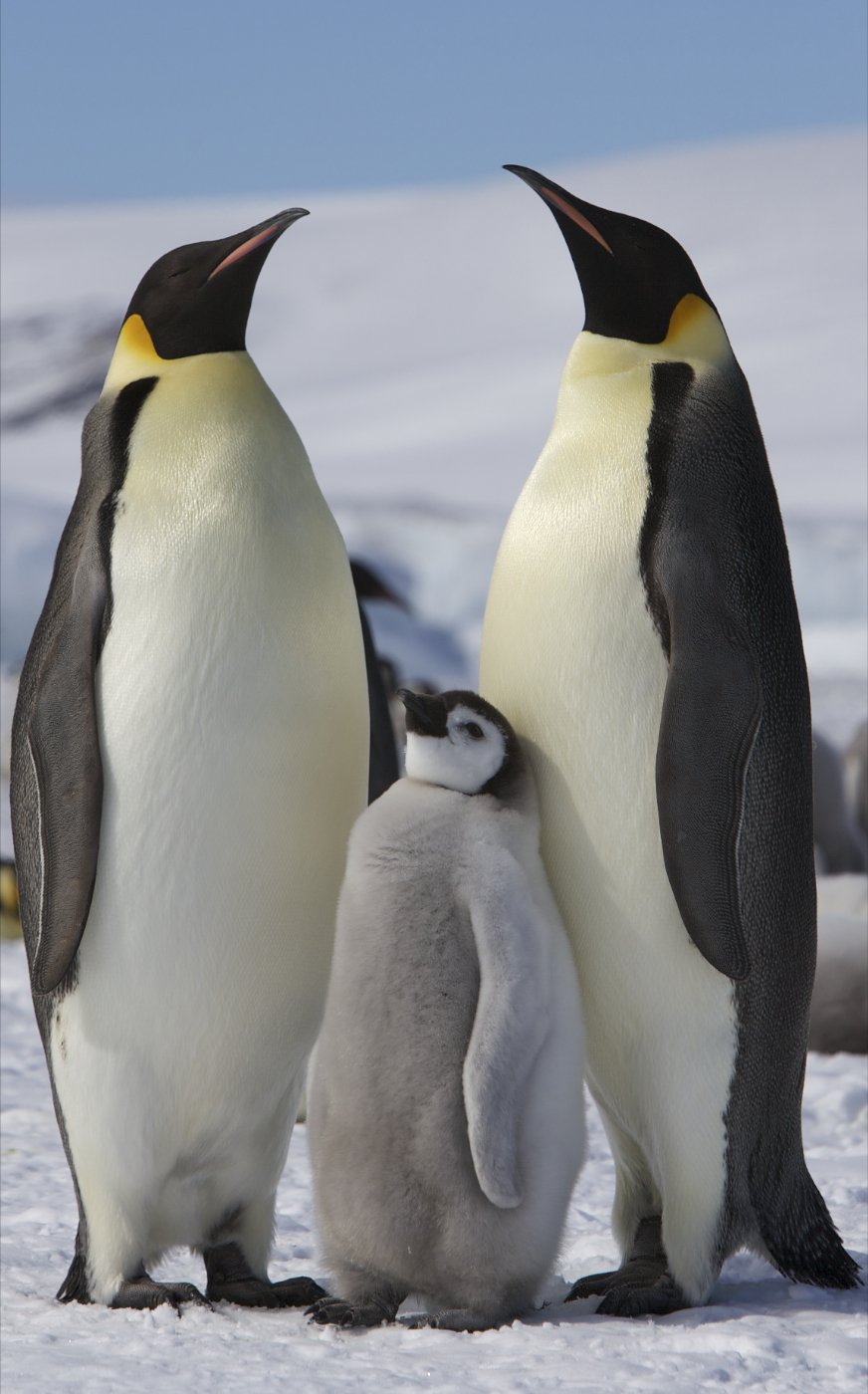
 Emperor Penguin Huddle — Snow Hill Island
Snow Hill Island Landing Site, Antarctic Peninsula, AQ
 Peak season
 Andean Cock-of-the-Rock Lek — Manu Road
Cusco, Peru
 Peak season
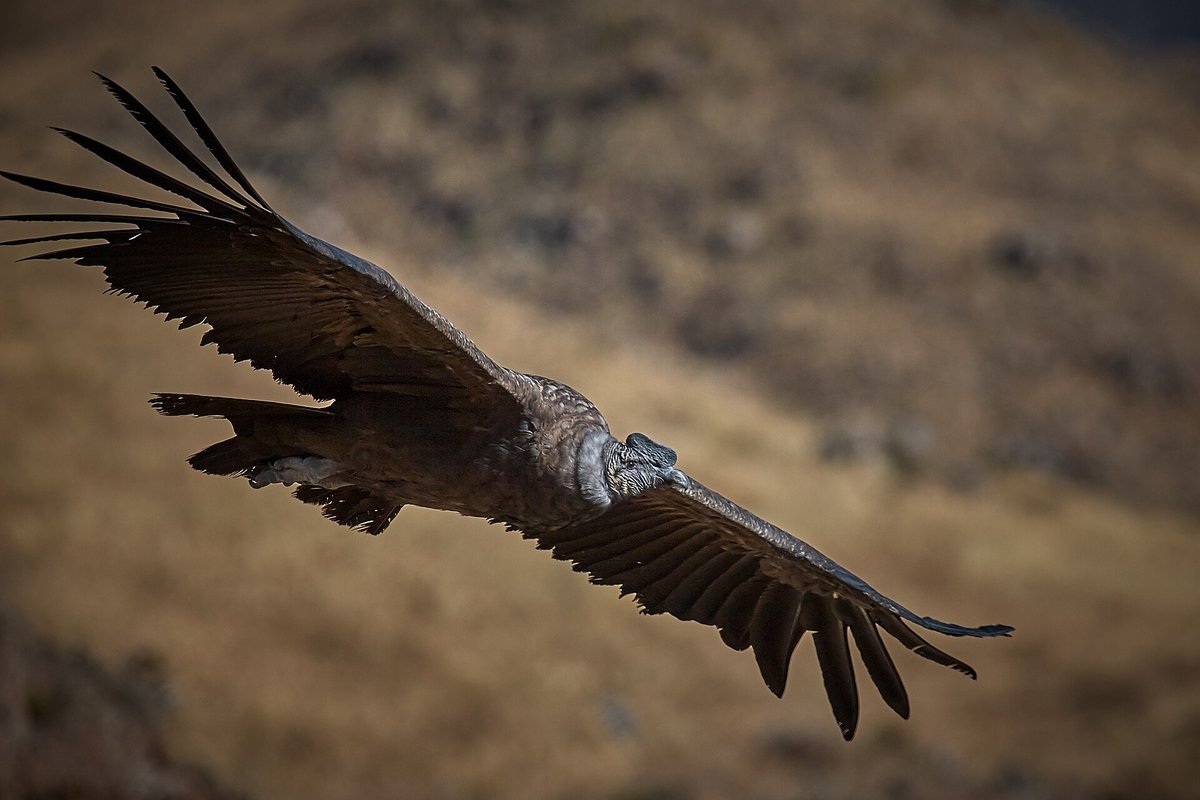
 Andean Condor Colony — Cañón del Colca Peru
Cruz del Condor Viewpoint, Arequipa Region, Peru