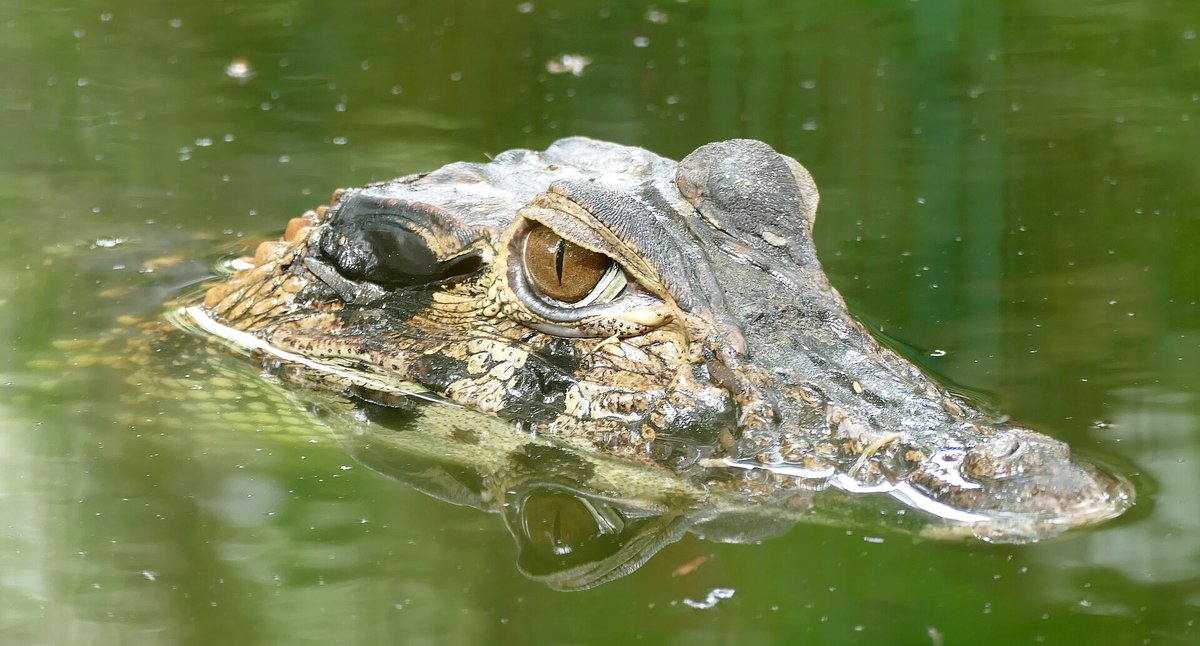
Black Caiman Aggregation — Rupununi Guyana
The Rupununi savannas of Guyana's interior hold the world's largest remaining viable black caiman (Melanosuchus niger) population — the largest crocodilian in South America at 5+ metres — concentrated in the oxbow lakes of the Rupununi wetlands from August through November when the dry season reduces available water and caimans aggregate in the remaining pools at extraordinary densities. The Caiman House lodge at Yupukari provides the world's most accessible black caiman research experience — guests participate in night surveys from canoes, measuring and tagging caimans at close range on the lake margins, and the combination of 3-metre caimans at arm's length and the Rupununi's extraordinary darkness and silence creates one of South America's most intense nocturnal wildlife experiences. The Rupununi's Macushi communities have lived alongside black caimans for centuries and their knowledge of individual animals by location gives the research programme an unusual historical depth.
About this spectacle
Deep in Guyana's Rupununi savannas, the dry season from August through November transforms the oxbow lakes of the Rupununi wetlands into extraordinary concentrations of black caiman — the largest crocodilian in South America, reaching over five metres. As water levels fall, these massive reptiles aggregate in the remaining pools at densities found almost nowhere else on earth. The experience centres on night surveys by canoe from Caiman House lodge at Yupukari: under skies unmarked by light pollution, guests paddle to lake margins where caimans wait in the shallows, their eyes reflecting torchlight in the darkness. Researchers and visitors work at arm's length to measure and tag animals, including individuals over three metres long. The silence of the Rupununi at night, broken only by water and the occasional splash of a caiman, combined with the close physical proximity of apex predators, delivers a visceral intensity unlike almost any other wildlife encounter in South America. The surrounding savannas also support exceptional biodiversity.
When to go
Aug — Nov
Getting there
Nearest airport: GEO. Nearest city: Lethem.
Booking options
Goyova doesn't process bookings directly. When you tap "Plan this trip" in the app, you'll see options from our partner providers — accommodation, tours, transport — with affiliate links where applicable. See our affiliate disclosure for details.
More like this.
 Peak season
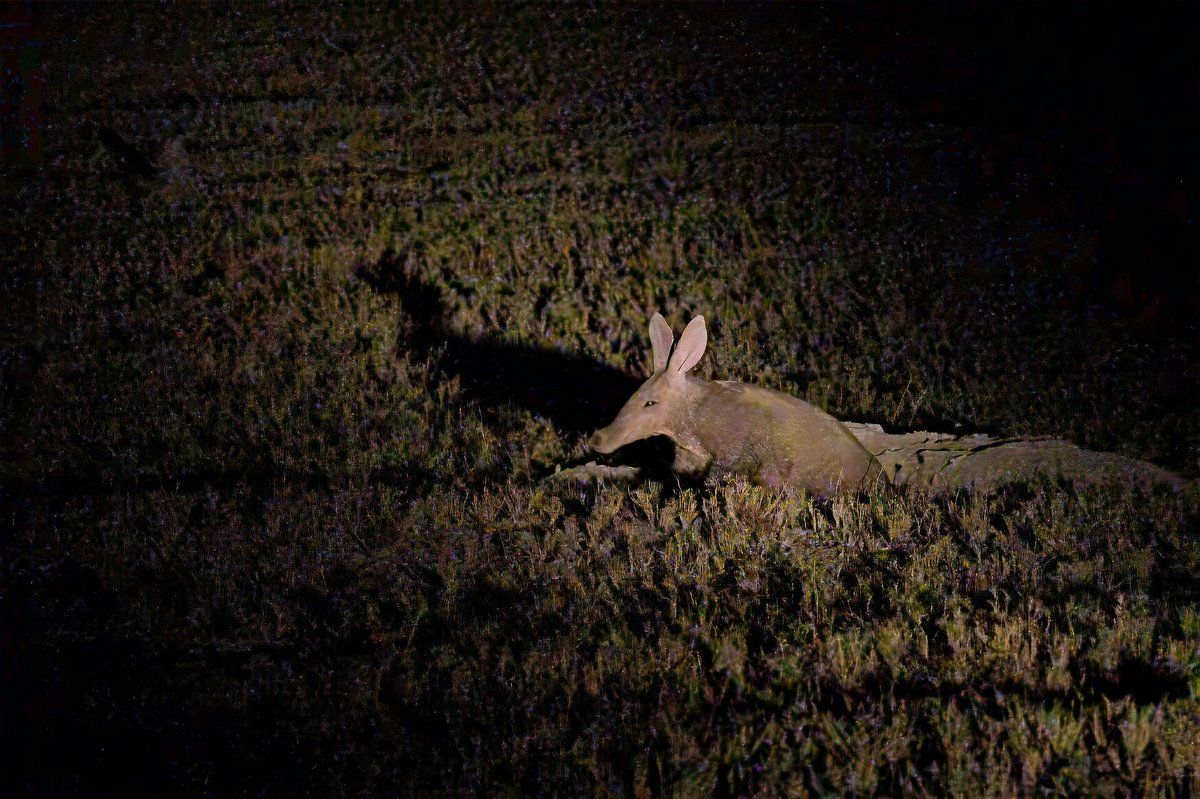
 Aardvark Night Foraging — Kalahari Botswana
Maun, Central District, BW
 Peak season
 Aardvark Night Foraging — Kalahari South Africa
Upington, Northern Cape, South Africa
 Returns Jan 2027
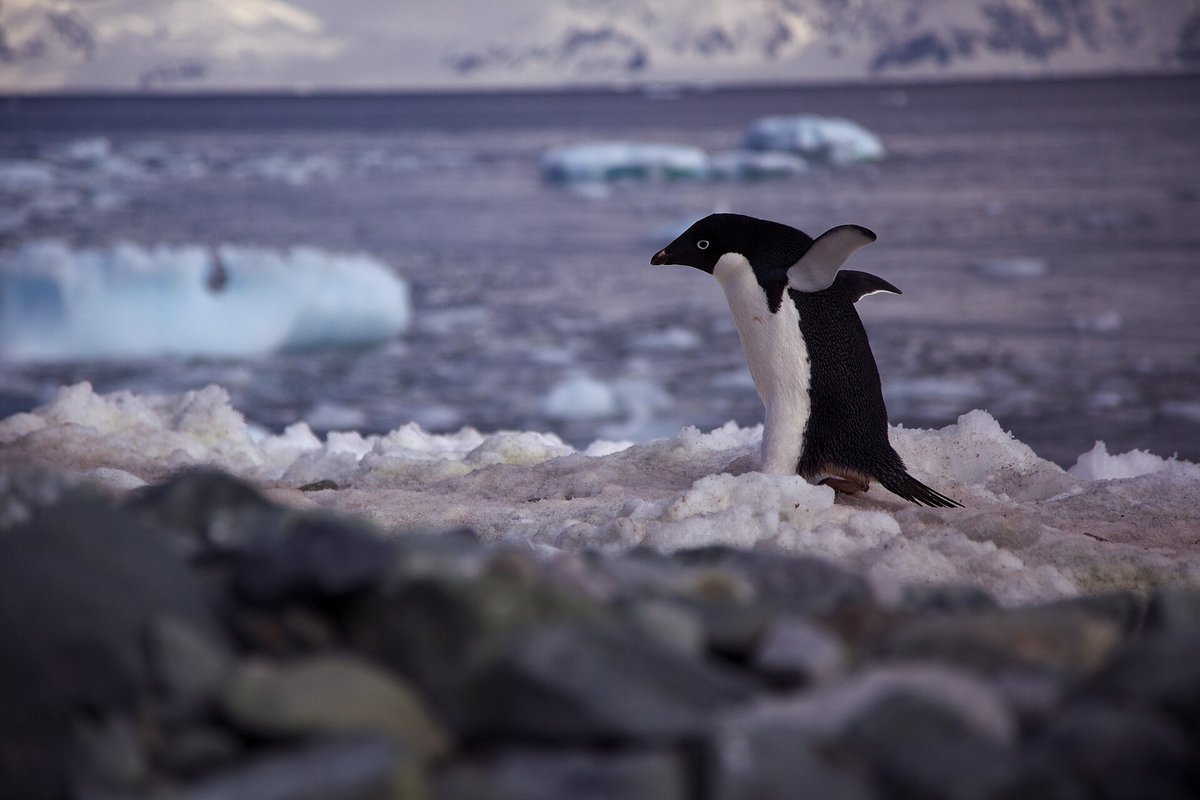
 Adélie Penguin Highway — Ross Sea Antarctica
Cape Royds, Antarctica, AQ