 In season
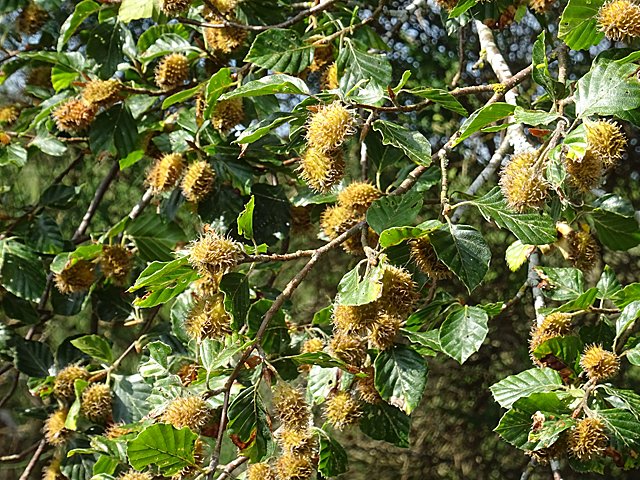
 Beech Mast Year — Epping Forest
Every three to five years, the ancient pollarded beeches of Epping Forest north of London produce a mast year — a synchronised mass seed production event in which the entire forest floor is covered in beech mast to depths of several centimetres, triggering a cascade of wildlife events as wood mice, grey squirrels, jays, bramblings, and wood pigeons converge on the forest in numbers far exceeding normal years to exploit the bonanza. Mast years are triggered by the previous summer's drought stress and their occurrence is unpredictable and synchronised across a landscape scale, making the spectacle impossible to plan for but extraordinary when encountered — the forest floor literally crunching underfoot with tens of thousands of three-sided beech nuts, the jays flying non-stop to cache individual nuts in the surrounding fields, and the bramblings arriving in flocks of thousands from Scandinavia specifically following the mast crop. Epping Forest's ancient pollarded beeches — some over 400 years old with enormous spreading crowns that produce vastly more mast than unpollarded trees — are the finest accessible ancient beech pollards in the London region, and a mast-year autumn walk through the forest's ancient compartments combines exceptional fungal fruiting, autumn colour of great depth, and the mast-feeding wildlife frenzy in a single afternoon. The forest's proximity to London — 25 minutes from Liverpool Street — makes it one of Europe's most accessible ancient woodland experiences.
About this spectacle
In a mast year, Epping Forest's ancient pollarded beeches — some over 400 years old — release a synchronised flood of three-sided nuts that carpet the forest floor to depths of several centimetres, producing an audible crunch with every footstep. The air fills with the clatter of jays making relentless caching flights out to surrounding fields, while bramblings from Scandinavia descend in flocks of thousands, mixing with wood pigeons and grey squirrels in a restless, noisy feeding frenzy along the ancient rides and compartments. Fungi erupt from the leaf litter in unusual variety alongside the mast, and the beeches themselves glow in deep amber and copper autumn colour. The sheer scale of seed production — uniquely amplified by the enormous spreading crowns of pollarded trees — gives the forest a sensory intensity quite unlike a typical autumn walk: the forest floor alive with movement, the canopy stripped open by the season, and every few metres another jay banking overhead with a nut locked in its bill.
When to go
Jan — Dec, peak Oct — Nov
Getting there
Nearest airport: LHR. Nearest city: London.
Booking options
Goyova doesn't process bookings directly. When you tap "Plan this trip" in the app, you'll see options from our partner providers — accommodation, tours, transport — with affiliate links where applicable. See our affiliate disclosure for details.
More like this.
 Peak season
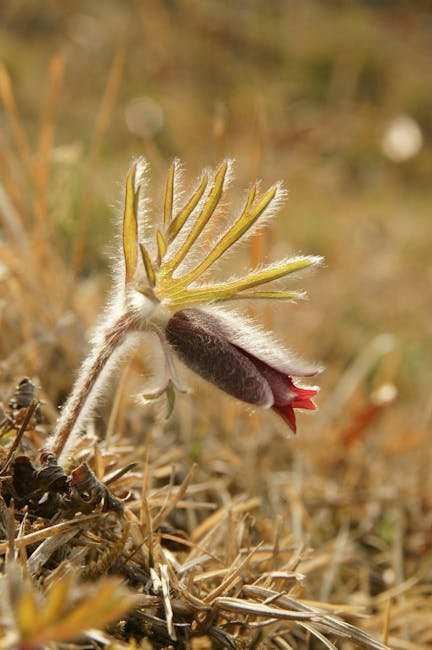
 Adonisröschen-Blüte Karlstadter Trockenrasen
Germany
 Peak season
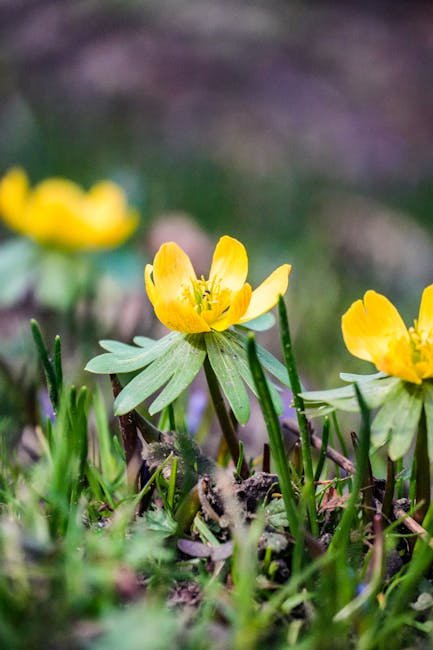
 Adonisröschen-Blüte Kyffhäuser
Germany
 Peak season
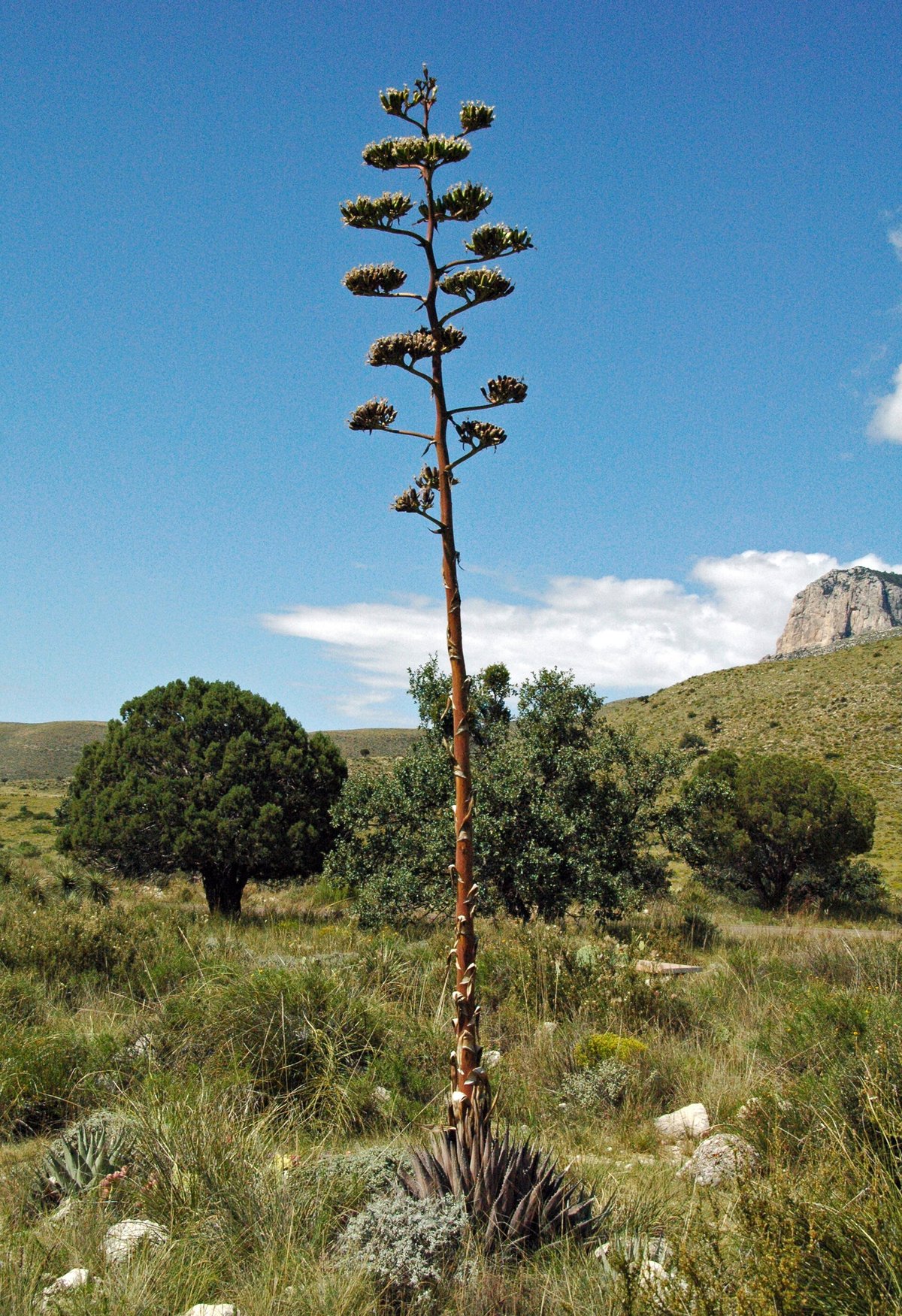
 Agave Century Plant Mass Bloom — Oaxaca Mexico
Oaxaca City, Oaxaca, Mexico