
Bat Hawk Roost — Kasanka Zambia
Each October through December, Kasanka National Park in central Zambia hosts the world's largest mammal migration — ten million straw-coloured fruit bats arriving from across the Congo Basin to roost in a two-hectare patch of evergreen swamp forest, creating a wildlife spectacle of staggering biomass as the bats' combined weight bends the trees and their emergence at dusk — a river of bats flowing from the forest for two to three hours — blackens the sky above the Kasanka plateau for kilometres. The emergence from the roost trees at dusk is particularly dramatic — the noise building from a low vibration to a thunderous beating of wings as the first millions leave, the entire sky to the west becoming a moving black cloud with no gaps as far as the eye can see. Crowned eagles, African hawks, and martial eagles hunt the emergence, picking off bats with casual precision as the colony streams past their perches in a raptors' feast of extraordinary efficiency. The roost itself — visible from constructed platforms within the forest — reveals the full biological intensity of ten million animals in two hectares, the bat density creating a near-solid mass above the treetops with the ammonia smell of guano detectable 500 metres away. The surrounding Kasanka National Park's swamp forest, miombo woodland, and sitatunga-inhabited papyrus swamps add wildlife richness of considerable variety around the bat migration.
About this spectacle
Each October through December, ten million straw-coloured fruit bats descend on a tiny patch of evergreen swamp forest in Kasanka National Park, creating one of the most overwhelming wildlife spectacles on Earth. At dusk, visitors on constructed viewing platforms feel the sound before they see it — a low vibration that builds to a thunderous wing-beat as the colony erupts into the sky. For two to three hours the western horizon is obliterated by a seamless moving black mass of bats stretching kilometres across the plateau. Crowned eagles, martial eagles, and African hawks wheel and plunge through the river of mammals with effortless precision. On the ground — or rather, above the treetops — the roost itself is a near-solid biological mass; the ammonia bite of guano is detectable 500 metres away. Between dusk spectacles, the surrounding miombo woodland and papyrus swamps hold sitatunga and a wealth of forest birds, making each day's wait richly rewarding.
When to go
Oct — Dec
Getting there
Nearest airport: NLA. Nearest city: Serenje.
Booking options
Goyova doesn't process bookings directly. When you tap "Plan this trip" in the app, you'll see options from our partner providers — accommodation, tours, transport — with affiliate links where applicable. See our affiliate disclosure for details.
More like this.
 Peak season
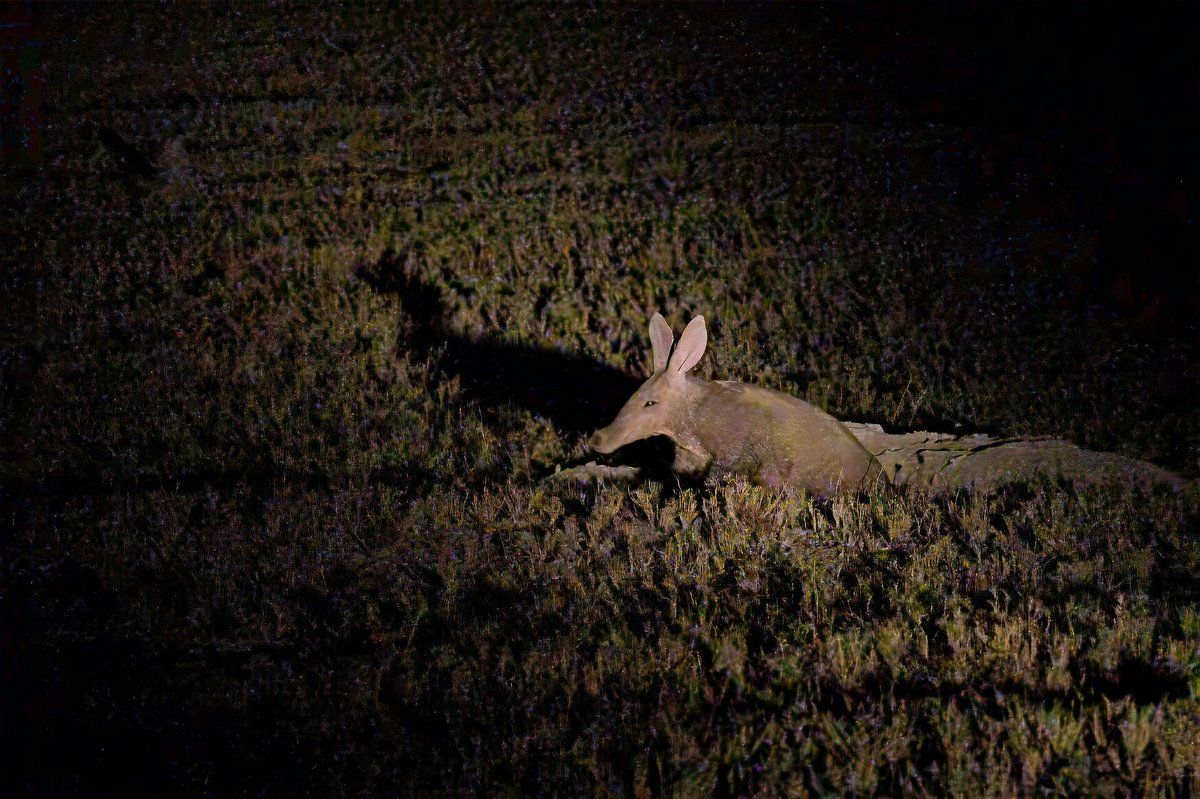
 Aardvark Night Foraging — Kalahari Botswana
Maun, Central District, BW
 Peak season
 Aardvark Night Foraging — Kalahari South Africa
Upington, Northern Cape, South Africa
 Returns Jan 2027
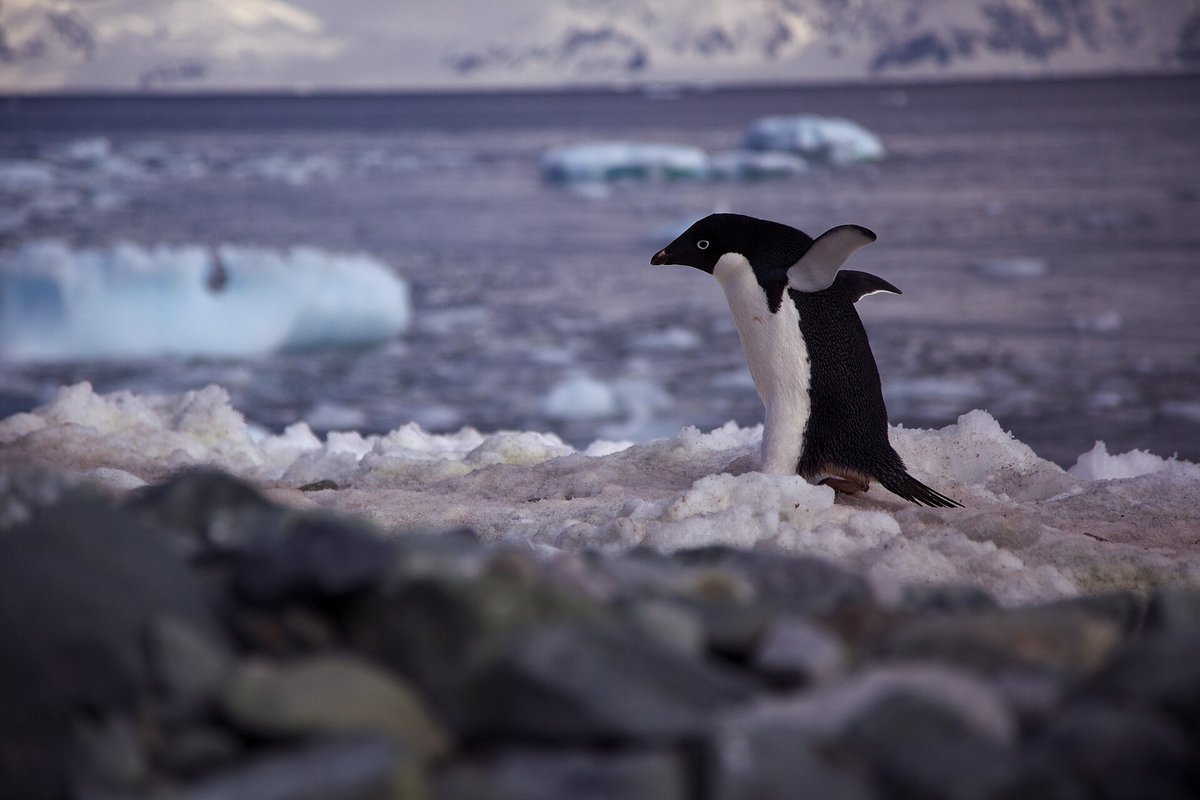
 Adélie Penguin Highway — Ross Sea Antarctica
Cape Royds, Antarctica, AQ