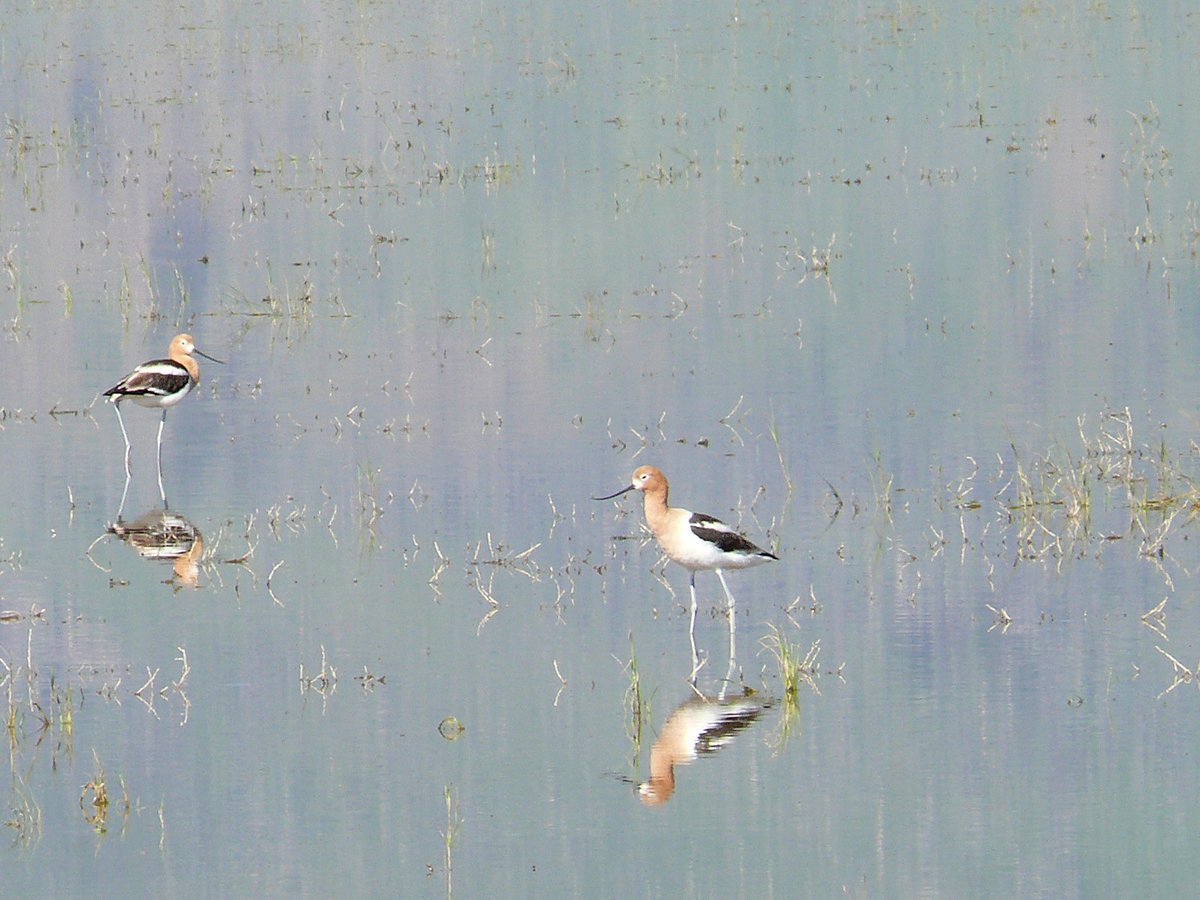
Avocet Breeding Colony — RSPB Minsmere
Each April through July, the famous Scrape at RSPB Minsmere in Suffolk hosts Britain's largest avocet breeding colony — the elegant black-and-white wading bird that became the emblem of the RSPB after its return to England in 1947 following 100 years of extinction — with up to 100 pairs nesting on the shallow brackish lagoon and the birds' upswept bills and distinctive feeding behaviour visible from the reserve's hides at ranges of just 20 metres. The avocet's return to Minsmere, engineered by flooding coastal farmland during the Second World War, is one of British conservation's great success stories, and watching the parent birds defend their chicks from marsh harriers and foxes with extraordinary aggression — swooping repeatedly at predators five times their size — is one of the most dramatic parental behaviour displays in British wildlife. The Minsmere Scrape also hosts breeding terns, bearded tits, bitterns, and marsh harriers simultaneously, making this Britain's single most productive birdwatching site per unit area. The reed bed at dawn — booming bitterns, displaying marsh harriers, and the delicate calls of avocets carrying over still water — is the quintessential Suffolk coastal morning. The reserve's combination of habitats, accessible hides, and exceptional wildlife density makes Minsmere the benchmark for nature reserve design globally.
About this spectacle
From April through July, the Scrape at RSPB Minsmere becomes one of Britain's most captivating wildlife stages. Up to 100 pairs of avocets — the RSPB's elegant black-and-white emblem — nest on this shallow brackish lagoon, their upswept bills sweeping through the water in graceful arcs. Visitors watching from the reserve's hides can observe breeding birds at distances as close as 20 metres, close enough to hear the soft, fluting calls exchanged between parents and chicks. The drama intensifies when marsh harriers or foxes approach: avocets launch into fearless, repeated dive-bombing attacks on predators many times their size, a display of parental fury that feels almost cinematic. The Scrape simultaneously hosts breeding terns and the reserve's legendary reed beds hold booming bitterns and displaying marsh harriers. At dawn the soundscape — bitterns booming, harriers mewing, avocets calling over still water — defines the Suffolk coastal experience. The hides, well-positioned and accessible, make this one of the most rewarding birdwatching sites in Britain regardless of experience level.
When to go
Jan — Dec, peak Apr — Jul
Getting there
Nearest airport: NWI. Nearest city: Ipswich.
Booking options
Goyova doesn't process bookings directly. When you tap "Plan this trip" in the app, you'll see options from our partner providers — accommodation, tours, transport — with affiliate links where applicable. See our affiliate disclosure for details.
More like this.
 Peak season
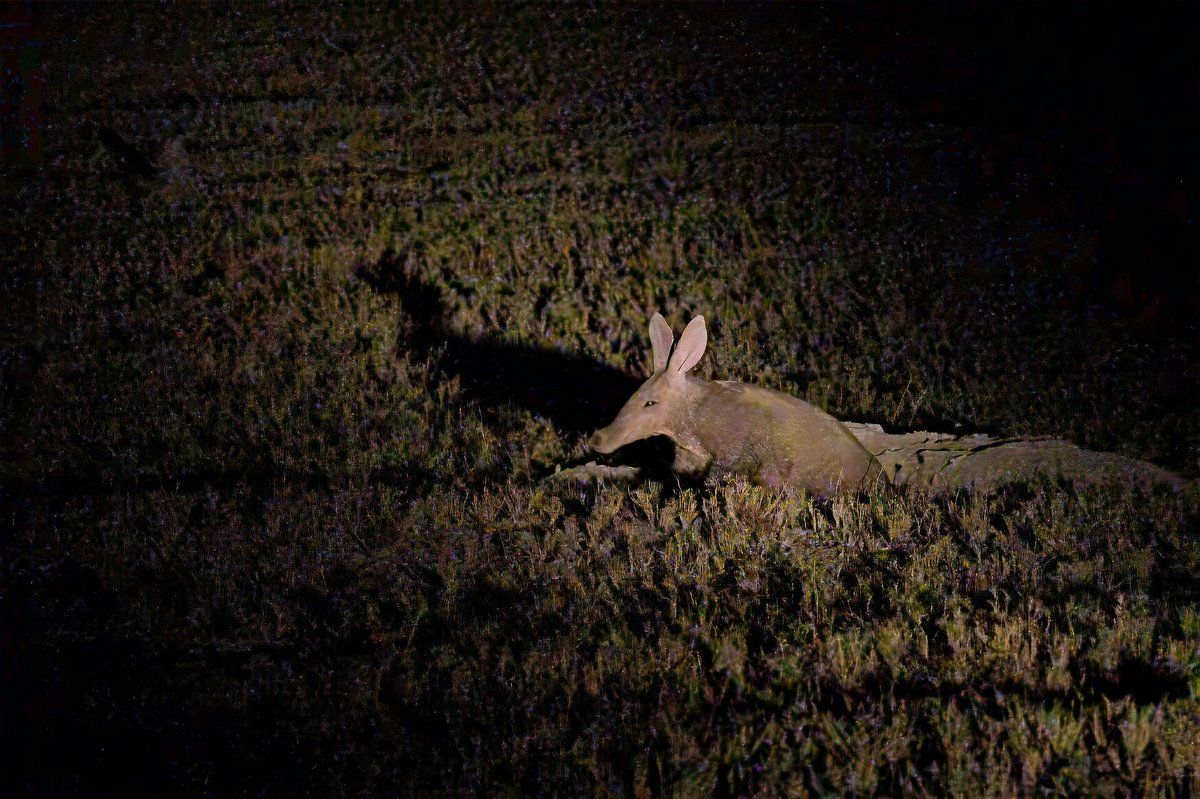
 Aardvark Night Foraging — Kalahari Botswana
Maun, Central District, BW
 Peak season
 Aardvark Night Foraging — Kalahari South Africa
Upington, Northern Cape, South Africa
 Returns Jan 2027
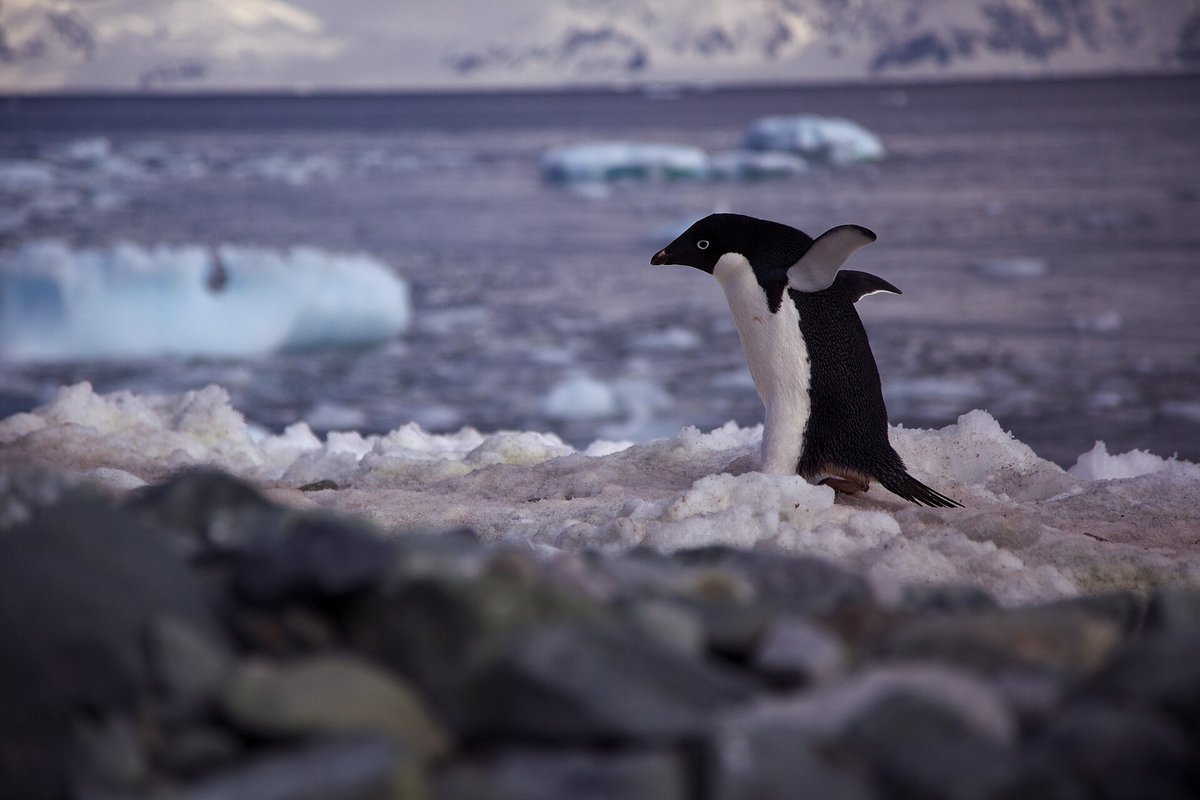
 Adélie Penguin Highway — Ross Sea Antarctica
Cape Royds, Antarctica, AQ