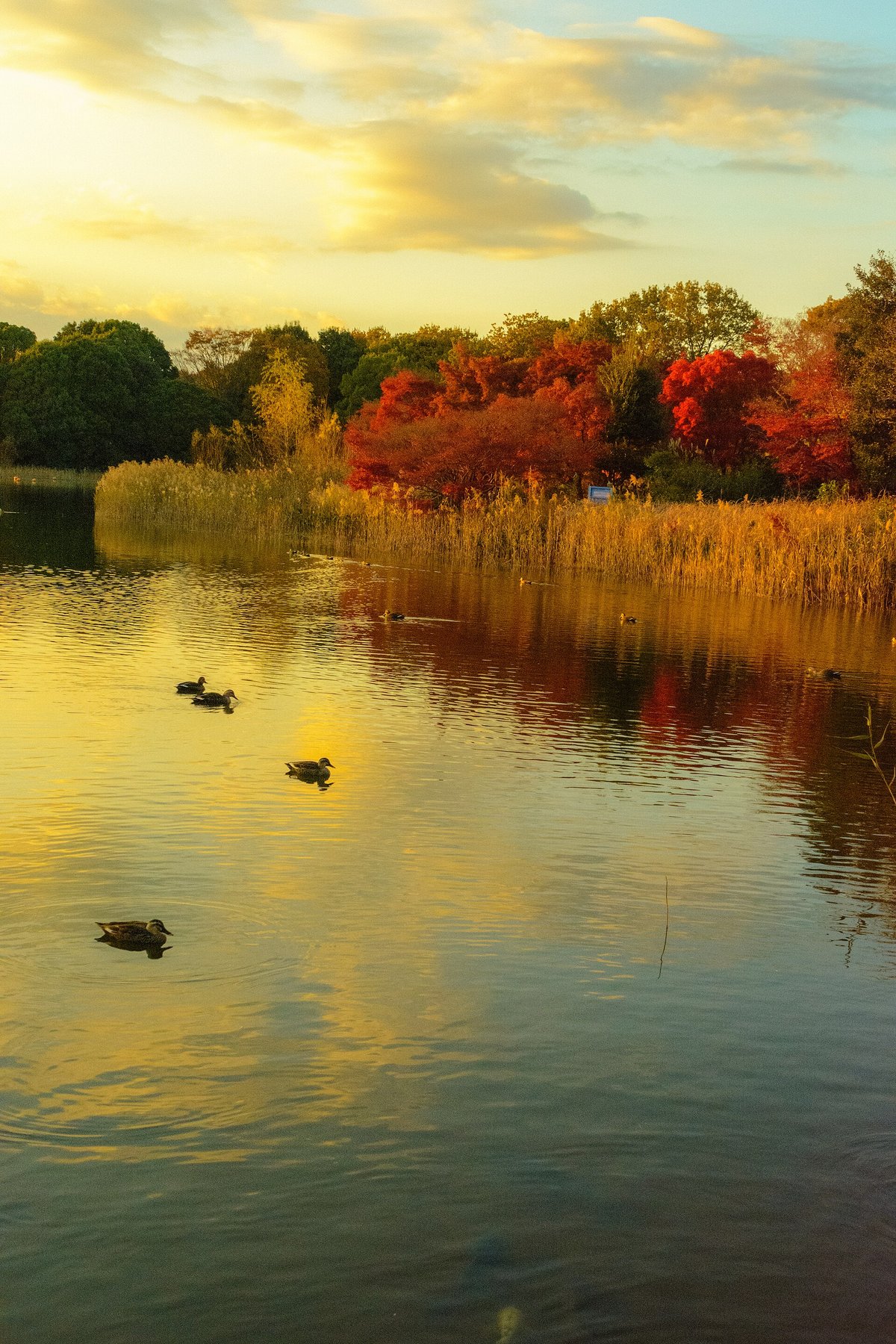
Autumn Waterfowl — Neusiedler See
Each September through November, the Neusiedler See on the Austria-Hungary border — Europe's largest steppe lake and a UNESCO World Heritage Site — hosts one of Central Europe's most spectacular autumn waterfowl concentrations, with hundreds of thousands of duck, geese, and waders staging on the vast shallow reed-fringed lake before continuing south. The lake's extraordinary shallowness — averaging just 1.2 metres depth across its 315 square kilometres — creates ideal conditions for dabbling duck in numbers that produce afternoon flights of tens of thousands of birds rising simultaneously from the reed beds in explosions of wingbeats audible across the lake. White-tailed eagles hunt the reed beds daily, marsh harriers quarter the phragmites margins, and the surrounding Pannonian steppe grasslands add great bustard, stone curlew, and roller to a single visit's species list. The Neusiedler See reed bed — the largest in Central Europe at 180 square kilometres — is the stronghold of the great reed warbler, whiskered tern, and spoonbill in Austria, and the autumn transition from breeding to migration spectacle unfolds over six weeks of changing species and numbers. The Austrian wine villages of Rust and Mörbisch, where stork nests top every chimney and the Heurigen wine taverns open their courtyards in the autumn harvest season, provide a cultural and gastronomic frame for the wildlife spectacle.
About this spectacle
Standing at the reed-fringed margins of Neusiedler See on an October dawn, visitors witness one of Central Europe's great avian spectacles. The vast shallow water stretches to the horizon, and as light lifts, the air fills with the calls of tens of thousands of ducks and geese lifting in simultaneous explosions of wingbeats audible across the lake. White-tailed eagles glide low over the phragmites, scattering flocks of teal and wigeon into wheeling silver clouds. Marsh harriers quarter the reed margins in the strengthening light. The surrounding Pannonian grasslands add great bustard and stone curlew for those who explore further. Numbers shift week by week as new waves arrive from the north and east, so each visit through September, October, and November reveals a different cast. The scale of the reed beds — the largest in Central Europe — amplifies every sound: the roar of rising wings, the honking skeins of white-fronted geese overhead, and the constant background murmur of tens of thousands of resting birds.
When to go
Jan — Dec, peak Sep — Nov
Getting there
Nearest airport: VIE. Nearest city: Vienna.
Booking options
Goyova doesn't process bookings directly. When you tap "Plan this trip" in the app, you'll see options from our partner providers — accommodation, tours, transport — with affiliate links where applicable. See our affiliate disclosure for details.
More like this.
 Peak season
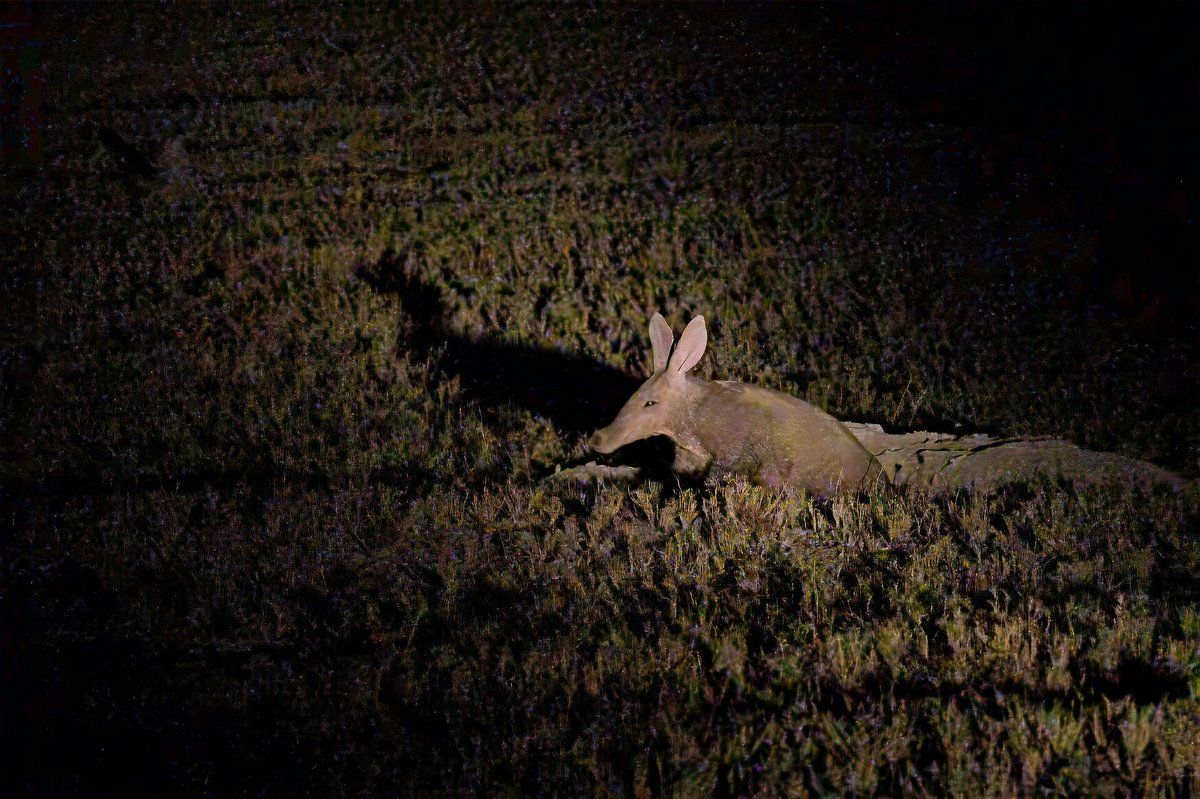
 Aardvark Night Foraging — Kalahari Botswana
Maun, Central District, BW
 Peak season
 Aardvark Night Foraging — Kalahari South Africa
Upington, Northern Cape, South Africa
 Returns Jan 2027
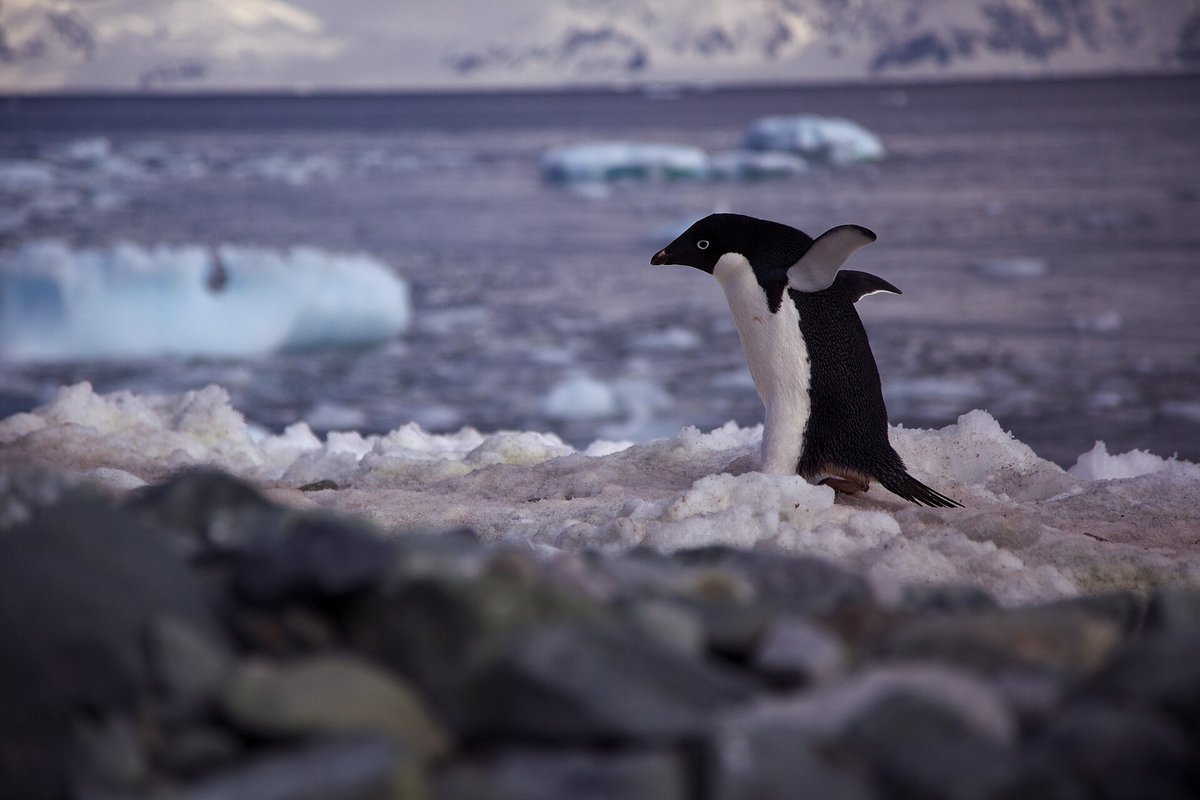
 Adélie Penguin Highway — Ross Sea Antarctica
Cape Royds, Antarctica, AQ